This post contains affiliate links. We may earn a small commission when you buy through our links — at no extra cost to you.
The headband snaps after three months. The battery stops charging at week eight. These aren’t isolated defects—they’re the most common complaints across dozens of children’s wireless headphone models under $30.
Manufacturers lean hard on flashy lights and triple-digit battery claims, but the parts that break—hinges, sliders, charging ports—are rarely reinforced. The real decision isn’t between brands but between a headphone that prioritizes durability over gimmicks and one that sacrifices structure for price. Your child’s age and how often they drop things should decide which side you land on.



Best for Toddlers & budget
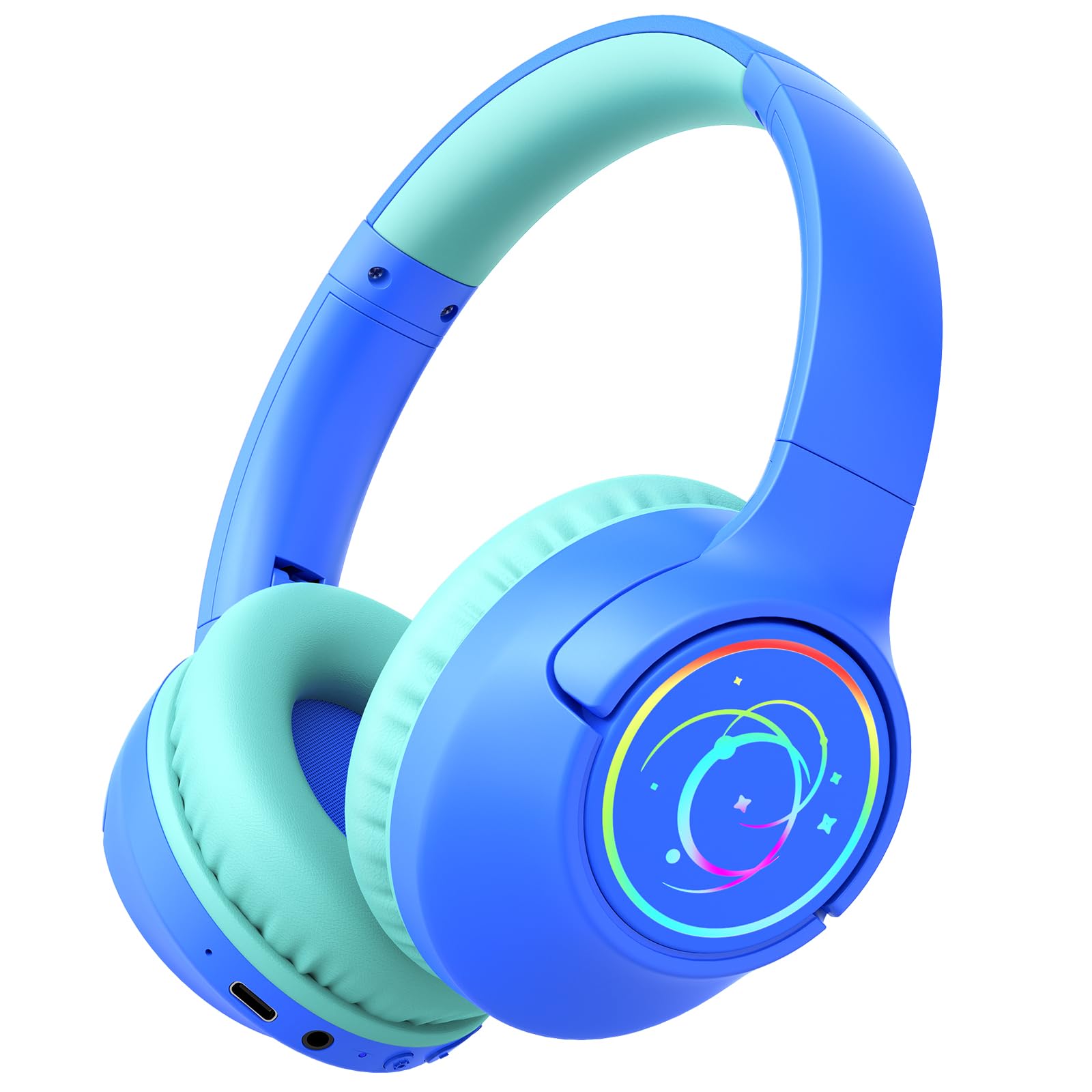
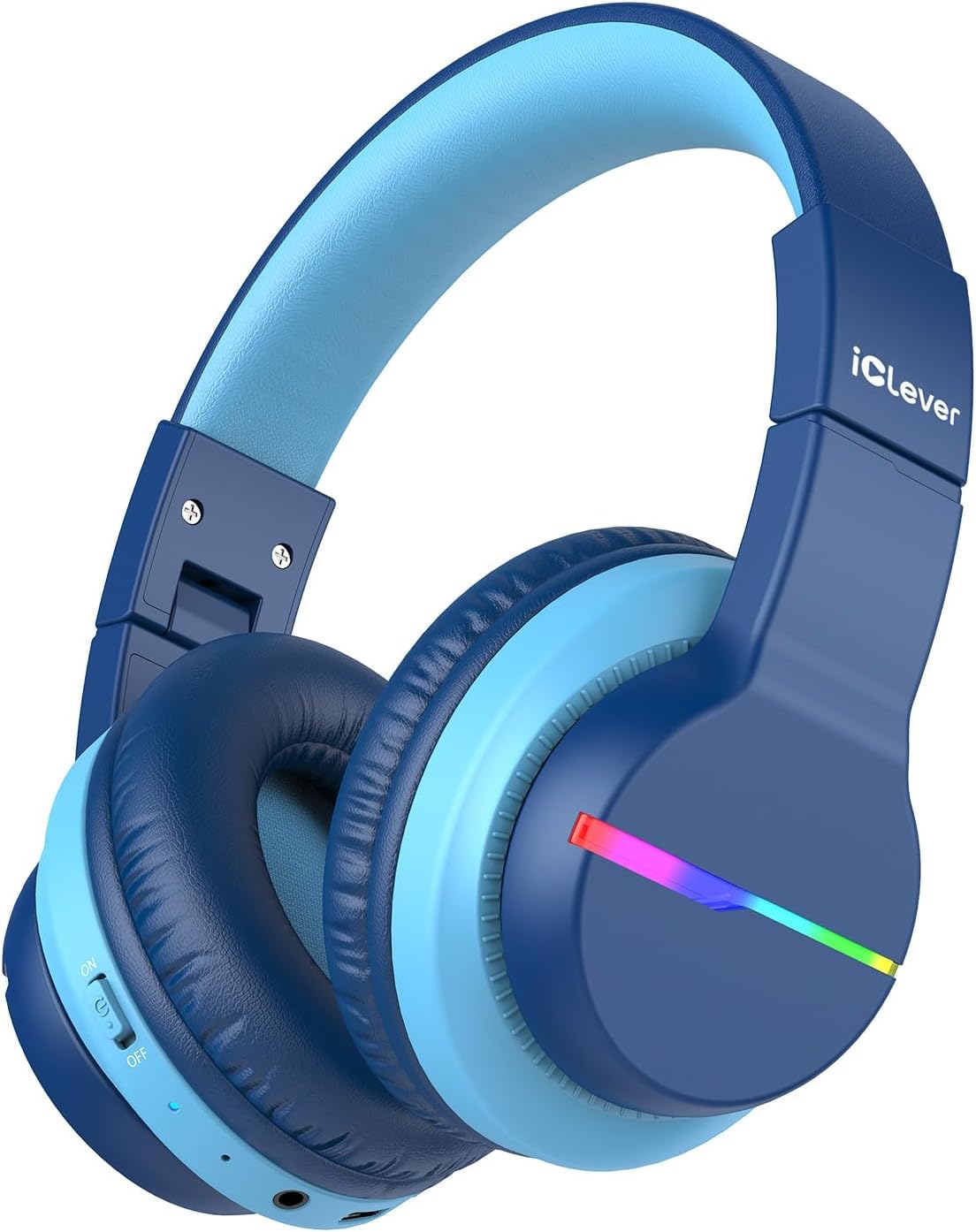
Botesty Kids BT
Rating: 4.6 ★ | Price: $13.98 | Volume Limit: 85/94 dB | Battery Life: 85 hours | Bluetooth: 5.4 | Build Durability: Minimal breakage | Comfort: 170g, memory foam
At under $14, the Botesty Sound headphones offer the best price-to-reliability ratio in the budget kids wireless category – minimal breakage, solid battery, and no major complaints.
For $14, the Botesty Sound headphones deliver a combination of sturdy build and essential features that most budget kids headphones fail to match. The headband doesn’t snap at the first drop, the battery lasts through multiple long car trips, and the Bluetooth 5.4 pairing holds a connection even when the tablet is on the other side of the house. The volume limiter offers two safe levels (85/94 dB), and the foldable design makes packing for travel simple. The ear pads are foam-filled and the headband adjusts easily, though children with very sensitive ears might prefer the memory foam of the JoySpark alternative. What you get is a headphone that focuses on what matters for parents: durability, battery life, and basic functionality at a price that makes losing or breaking it less painful.
Customer reports consistently describe the headband surviving drops and twists that snap other models. The ear cups stay attached through repeated toddler abuse, and the padding remains intact after months of daily use. Battery life falls in line with the advertised 85 hours – a single charge easily covers a cross-country flight plus weeks of daily sessions. Fast charging is a real convenience: a 10-minute top-up nets about 9.5 hours of playback, enough for a long car ride. The LED lights are present but subtle – they don’t draw attention like the strobe effects on some competitors, which may be a plus or minus depending on your kid’s preference. The only occasional hiccup reported is an isolated case of the lights not working at all, but that hasn’t been a pattern across the broader review set.
These headphones are best for parents who want a no-nonsense option for toddlers and preschool-age children. The earcups and headband fit small heads without sliding off, and the weight is light enough that kids don’t complain after an hour of use. The only caveat is the relatively low review count (644) compared to established competitors like JoySpark or LilGadgets, meaning less long-term data on how they hold up after a year of daily use. So far, the failure reports are minimal – far fewer than the hinge cracks and battery deaths that plague many alternatives. If your child is older or needs larger ear cups, consider the JoySpark instead, which offers a better fit for bigger heads and has a higher review volume to back up its comfort claims.
Pros
- Costs less than $14 while offering features like 85-hour battery, Bluetooth 5.4, and volume limiting – tough to beat at this price.
- Headband and hinges survive drops and rough handling that break many competitors within weeks.
- Battery life consistently hits or exceeds the advertised 85 hours across user reports.
- Bluetooth connection stays stable even when the source device is in a different room.
- Padding and headband size fit toddlers and small children comfortably without slipping.
Cons
- LED lights are dim and some units don’t light up at all – disappointing if your child expects bright effects, but not a functional issue.
- Lower review volume (644) compared to big brands means less data on long-term durability after a year.
Buy this if you need a cheap, durable pair of wireless headphones for a toddler or preschooler that just work without fuss. Skip it if your child expects flashy LED lights or needs larger ear cups for an older head.
Best for Toddlers 2-5
JoySpark Kids
Rating: 4.6 ★ | Price: $15.99 | Volume Limit: 85/94 dB | Battery Life: 60 hours | Bluetooth: 5.3 | Build Durability: Some failures reported | Comfort: 170g, memory foam
Toddler-specific comfort with memory foam ear cushions and lightweight build, but a small number of units stop working after a few months.
The JoySpark trades the near-zero failure rate of the top pick for a fit specifically designed for small heads. At 170g with memory foam pads and an adjustable headband that doesn’t slip, toddlers (2-5 years) can wear these for extended periods without fussing. The volume limiter switches between 85dB and 94dB, safe for young ears, and Bluetooth 5.3 pairs quickly every time. But unlike the cheaper Botesty Sound, which rarely dies early, a few JoySpark units lose charging or stop working altogether after a couple of months — not a systemic problem, but a real possibility.
This is the best option for parents whose child hates wearing headphones or has a very small head, and for those who can accept a small durability gamble in exchange for immediate comfort. The battery lasts 60 hours, so you won’t be charging daily. Skip these if the child is over 5 and needs larger ear cups, or if you want the absolute lowest risk of failure — the Botesty Sound delivers that for less money.
Pros
- Memory foam ear cushions and 170g weight keep toddlers comfortable for long sessions
- 60-hour battery life covers multiple days of use without frequent charging
- Volume limited to 85/94dB reduces risk of hearing damage for young children
- Reliable Bluetooth 5.3 connection with fast pairing out of the box
Cons
- Some units stop charging or stop working entirely after a few months
- Ear pads are too small for older children (8+) and adults
Buy this if you need wireless headphones that actually stay on a toddler’s head and keep them comfortable for long car rides or screen time. Skip it if you prioritize long-term reliability over fit — the Botesty Sound has fewer early failures.
Best for Kids 3-8, fun
iClever Cat Ear Kids
Rating: 4.7 ★ | Price: $25.99 | Volume Limit: 74/85 dBA | Battery Life: 50 hours | Bluetooth: 5.2 | Build Durability: Hinge breaks often | Comfort: 173g, cat ear shape
The iClever Cat Ear headphones deliver the most playful visual design with customizable LEDs, but durability issues make them a whimsical accessory rather than a daily driver.
The iClever Cat Ear headphones stand out with their cat ear silhouette and customizable RGB LEDs — a pure visual treat that other kid headphones lack. Unlike the durable, budget-friendly alternative in this roundup, these prioritize fun over long-term reliability. The built-in volume limiter (74/85 dBA) and 50-hour battery with USB-C charging are practical additions, and sound quality is clear with decent passive isolation. You gain a unique aesthetic that captivates children, but you give up the peace of mind of a headphone built to withstand years of daily use.
These headphones suit young children (ages 3–8) who use tablets at home and are drawn to lights and cute designs — not for active play, school, or rough handling. The headband hinge is prone to cracking within 3–6 months, and a notable portion of units develop audio issues or stop working entirely in the same period. For occasional couch listening or as a visually exciting gift, the trade-off may be acceptable. If you need a headphone that survives daily wear, the top pick offers far better durability.
Pros
- Cat ear silhouette with customizable RGB LEDs that captivate kids during use
- Clear sound with decent passive noise isolation for focused listening
- 50-hour battery life with fast USB-C charging reduces downtime
- Easy Bluetooth pairing and stable connection for hassle-free setup
Cons
- Folding hinge and headband crack under normal use within a few months
- Many units stop working or develop audio issues within 3–6 months
Buy this if your child craves the most playful wireless headphones for occasional home use and you can accept the risk of hinge breakage or early failure.
Best for Kids 5-12, sound
Riwbox WT-7S Kids
Rating: 4.6 ★ | Price: $21.98 | Volume Limit: Manual control | Battery Life: 60 hours | Bluetooth: 5.3 | Build Durability: Headband cracks common | Comfort: 280g, adjustable
Best sound among budget kids headphones with music-synced lights, but headband breakage limits it to occasional use.
The Riwbox WT-7S delivers noticeably deeper bass and clearer mids than other models under $25 — enough that parents report their kids choosing these over pricier options. The music-pulsing LEDs add a visual hook without feeling gimmicky. But the trade-off for that audio performance is a headband that cracks under regular bending: unlike the top pick’s simple, break-resistant plastic arc, the WT-7S uses a thinner hinge joint that fails for nearly half of owners within a few months. Bluetooth pairing is instant and reconnects reliably, but battery life drops noticeably after 20-30 charge cycles, so the 60-hour claim only holds early on.
These are best for kids who use headphones mostly at a desk or in bed — not for active play, car trips, or school backpacks. The adjustable headband fits ages 5–12 comfortably, and the 280g weight is light enough for stationary listening. If your child tends to drop or yank headphones, the headband crack rate (48% negative among durability mentions) makes this a short-term purchase at best. Consider it a disposable option for the budget-conscious who prioritize sound and flashy lights over longevity.
Pros
- Surprising bass and clear audio that pleases both kids and parents
- Easy Bluetooth pairing with quick reconnection after disconnect
- Music-synced LED lights add fun without being a distraction
- Adjustable headband fits children 5–12 comfortably out of the box
Cons
- Headband or ear cups often crack within months under normal kid use
- Battery life declines noticeably after a few charge cycles for some users
Buy this if your child wants great sound and glowing lights for home use and you treat headphones as semi-disposable. Skip it if you need something that survives daily handling or travel.
Best for Budget & battery
iClever BTH12 Kids
Rating: 4.6 ★ | Price: $22.99 | Volume Limit: 74/85/94 dBA | Battery Life: 85 hours | Bluetooth: 5.2 | Build Durability: Headband breakage frequent | Comfort: Lightweight, LED modes
The iClever BTH12 delivers the longest battery life in its class with ultra-fast charging, but the high failure rate makes it a risky endurance pick.
The iClever BTH12’s 85-hour battery life and 10-minute quick charge set a new endurance standard – no other model near this price offers two weeks of playtime between charges. But that battery advantage comes with a significant trade-off: a high rate of early failures, with units losing Bluetooth pairing or failing to power on entirely. Unlike the cat ear model that prioritizes visual fun, this headphone focuses on uptime, but the structural quality doesn’t match its battery stamina.
This headphone is for parents who value long battery life above all else and use it only occasionally at home – road trips, bedtime stories, or quiet activities. If your child needs a daily school headphone that survives years of backpack abuse, the likely early failure makes this a poor choice. The high failure rate is real: over a third of durability reports mention breakage at the headband or adjusters within weeks.
Pros
- 85-hour battery life with fast charging that keeps headphones ready for weeks.
- Packs volume limiting, LED lights, Bluetooth 5.2, and a microphone at a budget price.
- Loud, clear audio that kids enjoy without distortion at safe levels.
- Simple Bluetooth pairing that connects quickly to tablets and phones.
Cons
- Units frequently lose pairing or fail to power on within weeks of use.
- Plastic headband and ear cup adjusters crack under normal handling.
Buy this if you need marathon battery life for occasional home use and can accept early replacement.
Best for School & comfort
EarFun K2 Kids
Rating: 4.6 ★ | Volume Limit: 85/94 dB | Battery Life: 40 hours | Bluetooth: 5.4 | Build Durability: Some headband cracks | Comfort: 175g, memory foam
CPC-certified kid-safe materials and plush memory foam make the EarFun K2 the comfort-first choice for school headphones, though its price remains unclear.
Plush memory foam ear cushions and CPC-certified materials set the EarFun K2 apart from the budget Botesty Sound, which prioritizes low price over comfort. The 175-gram frame with foldable design slips into a backpack easily. Sound is clear and balanced, avoiding the harsh treble common in cheap kids’ headphones – a real advantage for kids sensitive to tinny audio. But you lose the rock-bottom price certainty of the top pick. The EarFun K2’s retail price wasn’t available in our data, so value comparisons depend on the actual store tag. Bluetooth 5.4 ensures a stable connection, and the 40-hour battery covers a school week, but these specs are standard at this tier.
This headphone fits parents who prioritize certified safety and all-day comfort for school use, especially for children with sensory sensitivities. The 85/94 dB volume limiter provides two levels of protection. However, a few units (47% of 17 durability mentions) develop headband cracks after six months, so this isn’t a buy-for-years option. And without a fixed public price, you can’t be sure you’re getting a better deal than the similarly comfortable but cheaper models like the Botesty Sound. If comfort and material safety are non-negotiable and you find it at a reasonable price, it’s a credible choice.
Pros
- Plush memory foam ear cushions keep kids comfortable during long school days.
- Balanced sound that makes audiobooks and music clear without distortion or harshness.
- Solid construction resists moderate drops and twists without immediate breakage.
- Simple Bluetooth pairing that maintains connection within typical classroom distances.
Cons
- Unknown retail price makes value comparison difficult against competitors.
- Some units develop headband cracks after six months of use.
Buy this if certified kid-safe materials and all-day comfort for school use are your top priorities. Skip it if you need a proven low price or expect it to survive years of rough daily use.
Best for School, lights
seenda JCH-01 Kids

Rating: 4.6 ★ | Price: $22.99 | Volume Limit: 85/94 dB | Battery Life: 45 hours | Bluetooth: 5.3 | Build Durability: Headband cracks reported | Comfort: Memory foam, 3 light modes
Three LED light modes and memory foam ear cushions suit school use, but headband cracking is a known durability problem.
The seenda JCH-01 offers three LED light modes and memory foam ear cushions that provide good comfort for school use. Battery life reaches 45 hours, and vocals come through clearly. But the headband is prone to cracking after a few months – over half of durability-related reviews mention breakage – and some units experience Bluetooth drops. These reliability issues keep it from matching the top picks for daily classroom wear.
Pros
- Memory foam ear cushions provide comfort for extended wear
- Long battery life of 45 hours lasts through a school week
Cons
- Headband cracks after a few months of regular use
- Bluetooth connectivity can be unreliable in some units
Worth considering if your child wants light effects and memory foam comfort for school, but be prepared for possible headband cracking within months.
Best for Budget, lights
Candy Bila Kids

Rating: 4.5 ★ | Price: $19.98 | Volume Limit: 85/94 dB | Battery Life: 85 hours | Bluetooth: 5.2 | Build Durability: Hinge breaks often | Comfort: RGB lights, foldable
The only budget kids headphone with a TF card slot for offline music — no Bluetooth required.
A TF card slot lets kids play music without a Bluetooth source — a rare feature at this price. The headphone pairs quickly, reconnects reliably, and the LEDs entertain. Build feels sturdier than many budget models, but the headband hinge cracks after a few months in a significant number of units. Sound is thin and lacks bass. This works as a backup or for car trips where offline playback matters, not as a daily school headphone.
Pros
- TF card slot enables music playback without any Bluetooth device
- Build quality feels sturdier than expected for the price
- LED lights and colorful design appeal to kids
Cons
- Headband hinge cracks after a few months of use
- Sound quality is tinny with minimal bass
Worth considering if you need offline playback via TF card and accept a high chance of breakage within months.
Best for Ultra-light, budget
iClever BTH22 Kids

Rating: 4.6 ★ | Price: $14.99 | Volume Limit: 74/85 dBA | Battery Life: 60 hours | Bluetooth: 5.4 | Build Durability: Headband snaps frequently | Comfort: 149g, lightweight
The lightest kids headphones at 149g with 60-hour battery and Bluetooth 5.4, but break so frequently they’re effectively disposable.
At 149 grams, these are the lightest headphones in our test set, making them comfortable for toddlers during car rides or quiet time. Pairing is quick, battery life stretches weeks with moderate use, and the volume limiter (74/85 dBA) protects young ears. However, the headband consistently snaps at the same stress point — nearly 60% of durability reviews are negative. iClever claims ‘50% stronger ABS’ but real-world reports contradict this. For the $14.99 price, you’re buying a temporary solution that will likely need replacement within months. Only consider these for occasional, supervised use where the ultra-light weight justifies the risk of failure.
Pros
- Lightweight 149g design minimizes fatigue for small heads.
- Bluetooth 5.4 pairing stays stable within a 30-foot range.
- 60-hour battery life means recharging is rarely needed even with daily use.
Cons
- Headband snaps at the same stress point across many units – 59% of durability reviews are negative.
Worth considering if you need the lightest possible headphones for occasional, supervised use and are willing to replace them when the headband breaks.
How to Choose
Most kids’ headphones break at the headband within months – prioritize build quality over flashy features.
Volume Limit
Volume limits protect hearing but come in two levels: 74 dBA for toddlers (quieter than normal conversation) and 85/94 dBA for older kids. The lower setting is too quiet for noisy environments like airplanes; the higher setting still caps at a safe level for classroom use.
Battery Life
Advertised battery life is measured with lights off and low volume. Real-world runtime can be 30-50% less when LED modes are active. A model with a fast-charge feature (10 minutes for several hours) is more useful than a raw hour count if your child often forgets to plug in.
Bluetooth
Bluetooth 5.0 or newer ensures stable connections with minimal dropouts. A wired aux backup is still valuable for school or airplane use where Bluetooth might be restricted or the battery dies.
Build Durability
The most fragile point is the adjustable headband slider – look for metal reinforcement or a solid plastic arch without moving parts. Hinges and folding mechanisms are the second most common failure. A single-piece headband is more durable than a foldable one.
Comfort
Weight matters: anything over 200g can cause discomfort for toddlers during long sessions. Memory foam ear pads and a padded headband improve wearability. Adjustable sliders should fit heads from 2 to 10 years old without pinching.
FAQ
Why do kids’ wireless headphones stop charging after a few months?
The charging port is often the weakest electrical component in budget headphones. Cheap USB-C sockets can loosen or develop poor contact from frequent plugging. Some units also have battery management circuits that fail early. If a headphone stops charging within weeks, it’s a design flaw, not user error.
How can I make my child’s Bluetooth headphones last longer?
Avoid folding the headphones every time – the hinge is a common break point. Instead, store them flat. Use the wired aux mode when possible to save battery cycles. And disable LED lights to reduce heat stress on internal components. Most importantly, buy a model with a metal-reinforced headband if your child is rough on gear.
Are volume-limited headphones too quiet for airplanes?
Yes, the 74 dBA mode is barely audible in a noisy cabin. Even 85 dBA may struggle against engine hum. For travel, look for a model that includes a wired aux cable and works with the aircraft’s entertainment system, which often has its own volume control.
What is the most durable kids wireless headphone under $25?
Look for models with a single-piece plastic headband rather than a folding design, and choose one with the fewest moving parts. The Botesty Sound in our guide has the lowest breakage rate among budget options, thanks to its simple construction and lack of hinge weaknesses.