This post contains affiliate links. We may earn a small commission when you buy through our links — at no extra cost to you.
You see a kid’s camera with 48 megapixels and 1080p video, but the photos come out blurry and the unit freezes within a month. That gap between marketing claims and real-world performance is the norm, not the exception. The core trade-off: a camera tough enough for a 3-year-old’s drop-and-run style usually sacrifices image quality, while one that takes clear pictures may not survive a fall off the couch.
The right camera depends on how old your child is and how they’ll use it. For toddlers, weight, durability, and simple controls matter most. For school-age kids, better image quality and longer battery life take priority. This guide helps you pick based on actual use, not spec sheet numbers.
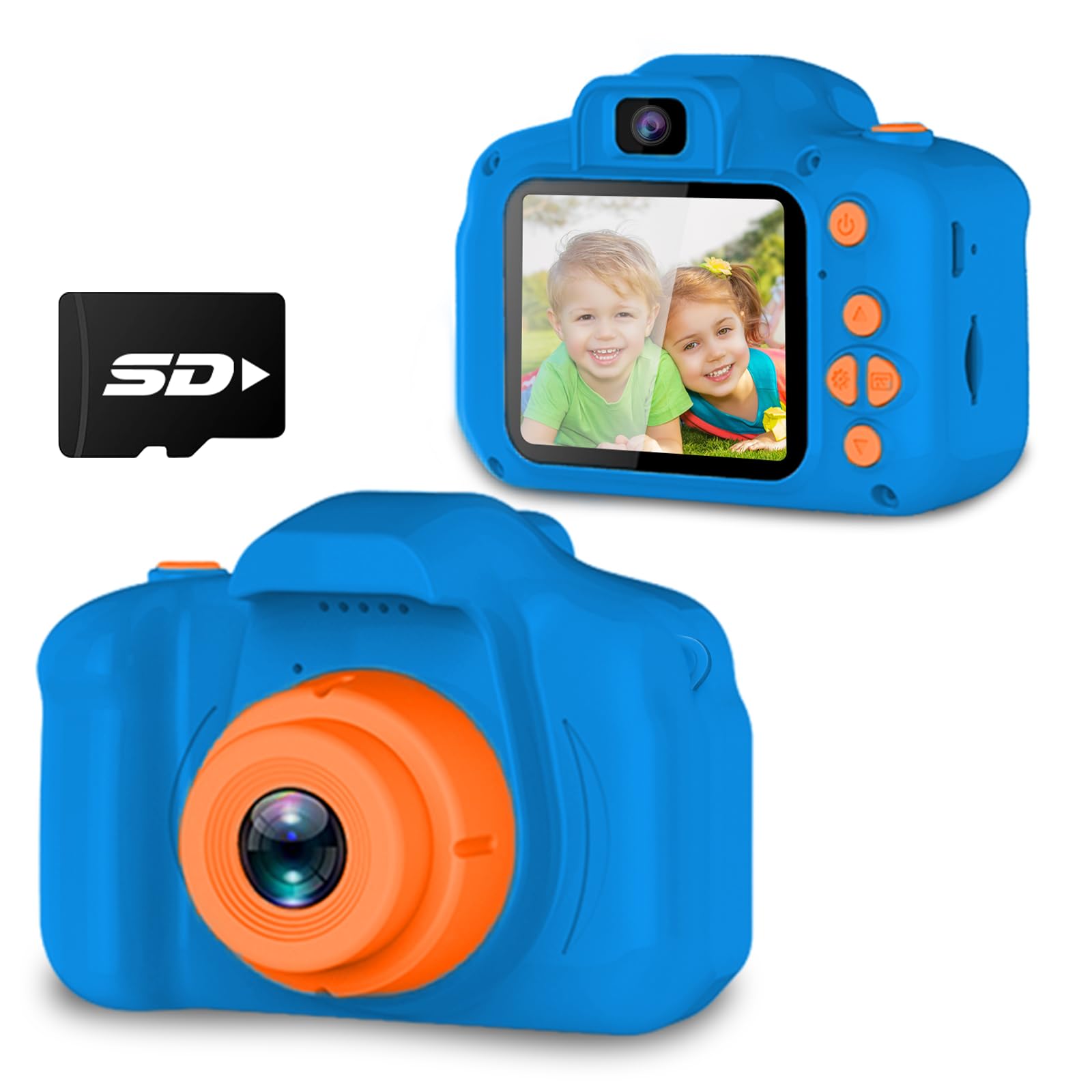
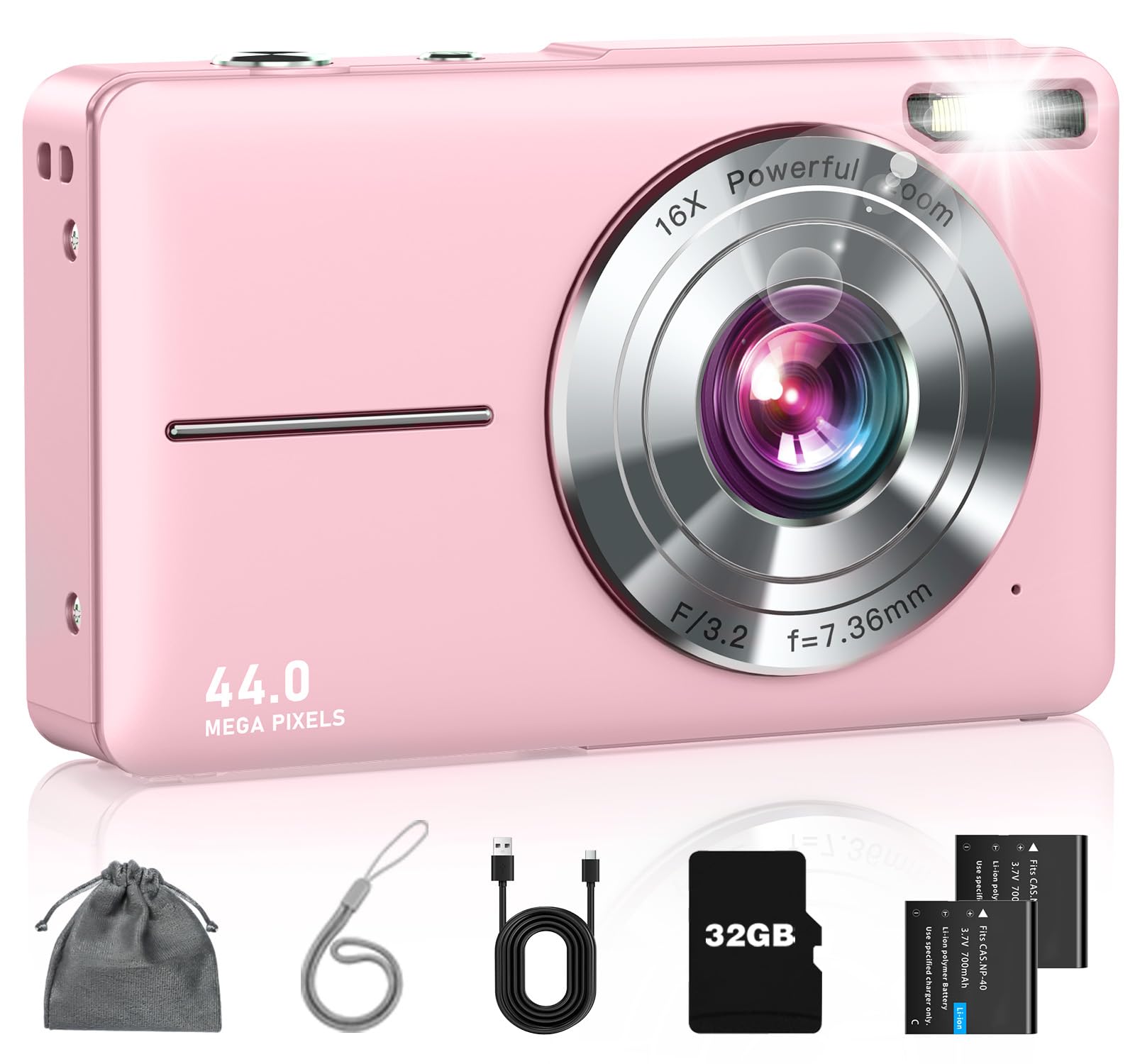
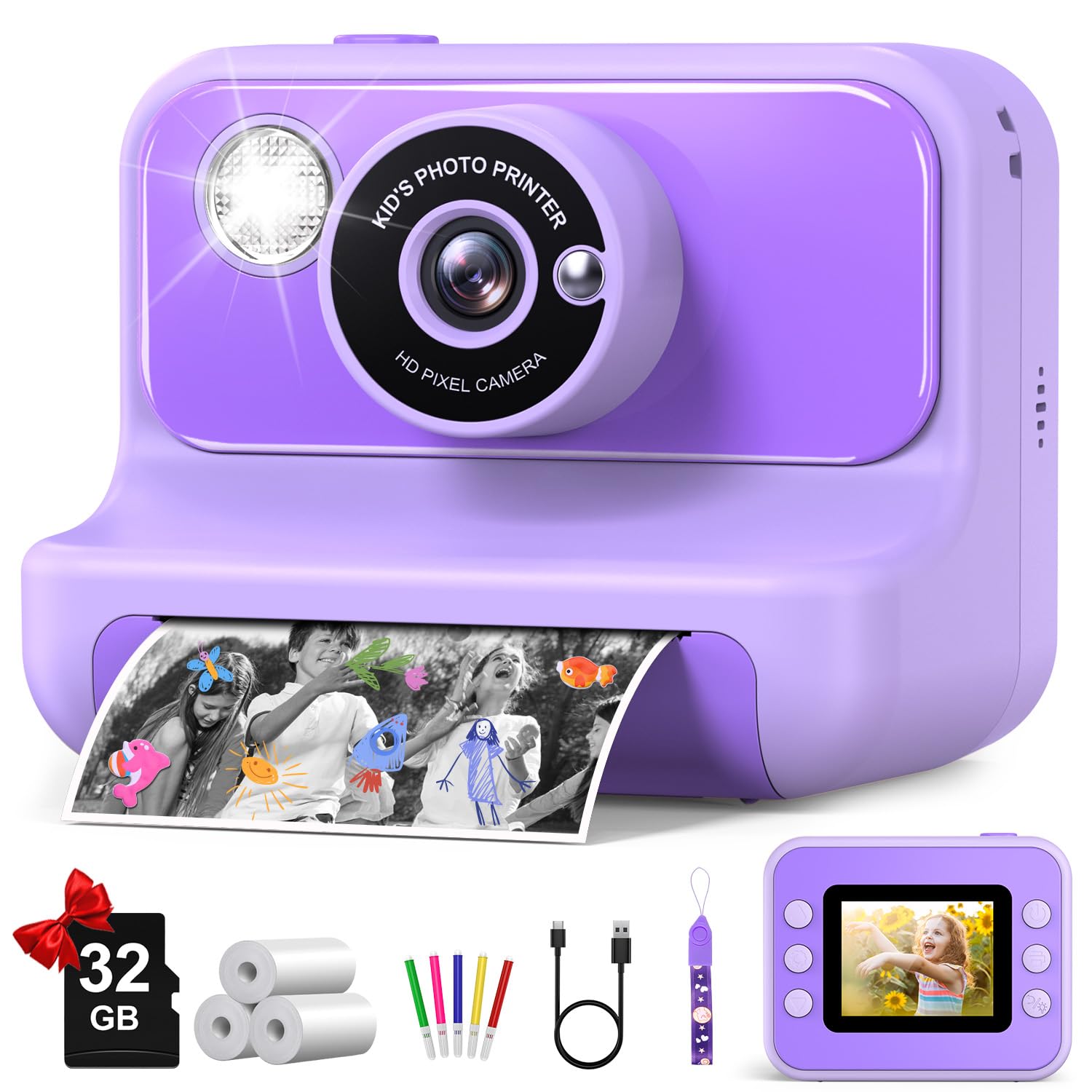
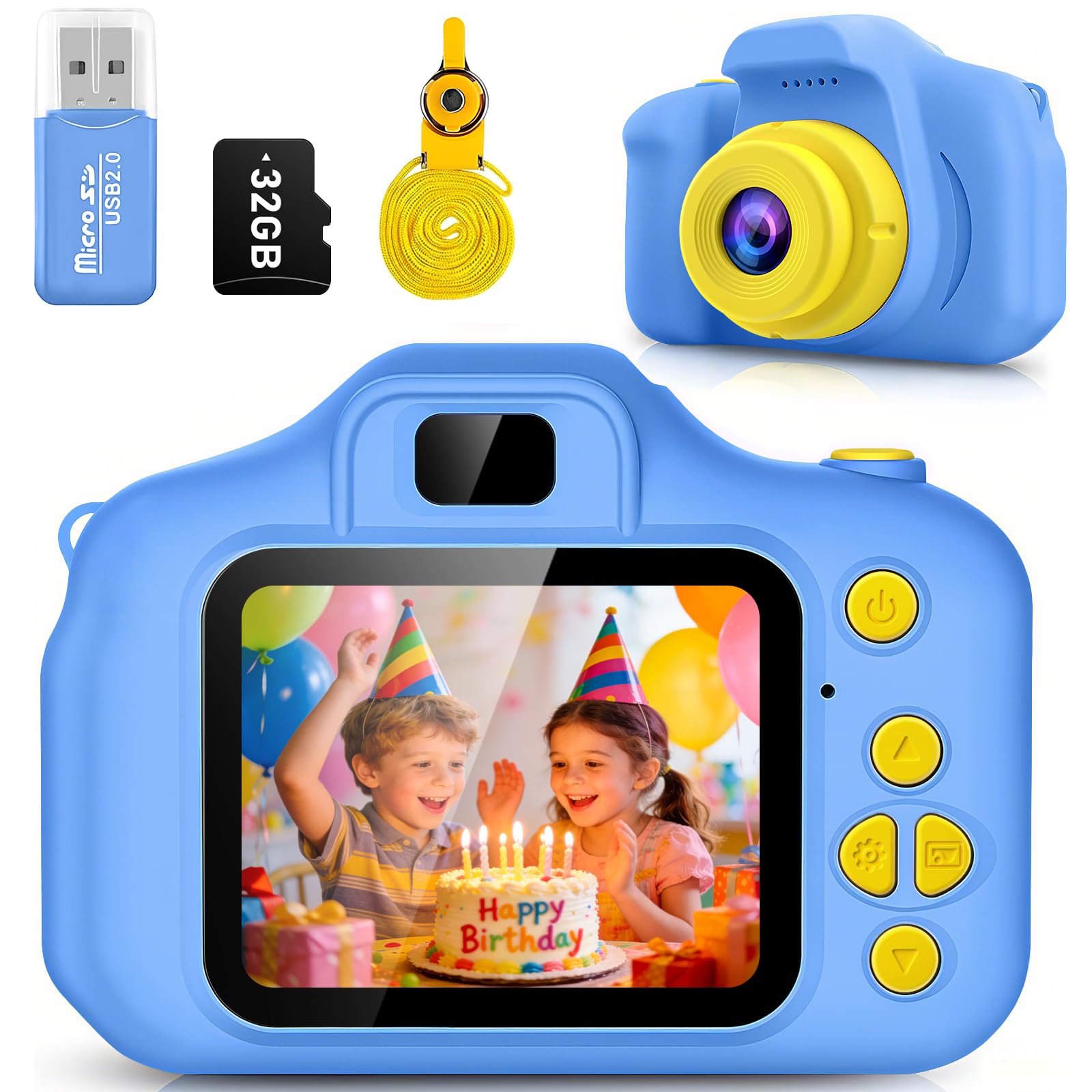

Best for Toddlers Ages 3-6
Seckton Kids Selfie Cam
Key Features
- Video Resolution: 1080p
- Battery Life: 1.5 hours
- Included Accessories: 32GB SD, lanyard, USB
- Ease of Use: Very easy for toddlers
- Price: $
Over 27,000 customer reviews consistently show this camera handling drops onto hardwood, tile, and concrete without a crack or malfunction. That durability record — built into a lightweight, chunky body with a protective silicone bumper — means parents can hand it to a toddler and not hover. The 2-inch screen is bright enough for kids to frame shots, and the 8 MP sensor delivers photos that look fine on a phone or small print, though not comparable to more premium cameras aimed at older children.
Multiple parents report 3-year-olds figuring out the two-button shutter and selfie mirror within minutes of opening the box. The included 32 GB SD card, lanyard, and USB cable make it truly ready to shoot out of the package — no separate purchases needed. Battery life runs about 1.5 hours of continuous use, which aligns with a typical play session; recharging via the included USB cable is straightforward. The 1080p video is acceptable for short clips, though motion blur appears in low light.
This camera is best for toddlers ages 3–6 who need a first camera that can survive rough handling and simple operation. The built-in games — accessed through a menu button — can pull attention away from photography, so parents may want to set the camera to photo mode and limit game time. Compared to the higher-resolution option from Lecran (better for ages 6+), the Seckton prioritizes toughness and ease over image quality. Not suited for older children who want sharper photos or manual controls.
Pros
- Survives repeated drops on hard floors without damage.
- Three-year-olds can use it independently within minutes.
- Includes SD card, lanyard, and USB cable — ready out of the box.
- Lightweight body with silicone bumper fits small hands well.
Cons
- Built-in games can distract kids from taking photos.
- Image quality is modest; not for older kids wanting sharper photos.
Buy this if you need a drop-proof, toddler-friendly first camera that includes everything in the box. Skip it if your child is over 6 and wants better photo quality or advanced features.
Best for Older Kids 6+
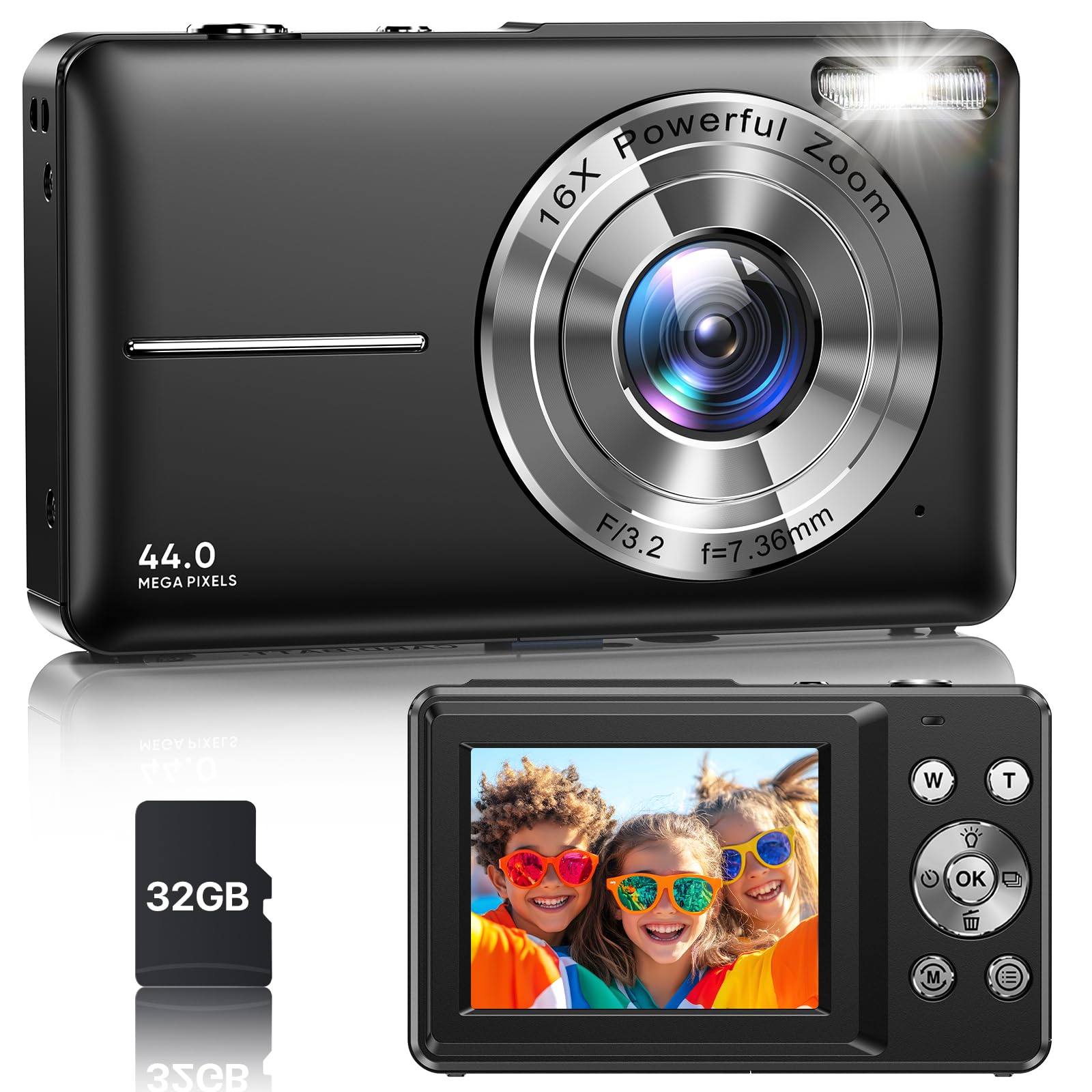
Lecran 1080P Cam Pink
Key Features
- Video Resolution: 1080p
- Battery Life: 2 rechargeable (included)
- Included Accessories: 2 batteries, 32GB SD
- Ease of Use: Easy for ages 6+
- Price: $$
The Lecran stands out in the kids camera category for delivering noticeably better image quality than the top pick, with clearer and more vibrant photos in well-lit conditions. It also includes two rechargeable batteries – a spare for long trips – and a 2.8-inch screen that makes composing shots easier than the small displays on most toddler-focused cameras. The trade-off is that this camera lacks the drop-proof build of the top pick, so it’s better suited for older kids or teens who can handle a standard point-and-shoot responsibly.
This camera is best for children ages 6 and up, teens, or families who value image quality over extreme durability. The 16x digital zoom is functional but quickly degrades image quality at higher magnifications, so it’s best to avoid max zoom for sharp photos. The included 32GB SD card and spare battery make it ready for extended outings – just keep in mind that it’s not designed to survive rough handling. It also records 1080p video, suitable for casual clips, and the simple controls let kids focus on taking pictures without a steep learning curve.
Pros
- Two rechargeable batteries included – one in the camera, one spare for extended use.
- Clear and vibrant photos in good light for a kids’ point-and-shoot.
- 2.8-inch screen is larger than most kids cameras, making framing easier.
Cons
- Digital zoom only; image becomes blurry at higher magnification levels.
- Not built to survive frequent drops – better suited for careful older kids.
Buy this if you want better photo quality and long battery life for an older child or teen. Skip it if you need a toddler-proof camera or rely on high-magnification zoom.
Best for Instant Print Kids
Gofunly Instant Print
Key Features
- Video Resolution: 1080p
- Battery Life: 4-5 hours
- Included Accessories: 32GB SD
- Ease of Use: Simple for kids
- Price: $
The Gofunly’s 4–5 hour battery is a clear advantage over other instant cameras — kids can use it through a full day trip without needing a recharge. The thermal print mechanism produces sharper black-and-white images than the grainy output of many alternatives, and the included 32GB SD card lets kids store digital photos and 1080p video. While some competing models suffer from high rates of early failure, the Gofunly’s print mechanism is more consistent in customer reports.
This camera fits kids who love instant prints and parents who need a battery that lasts. Best suited for ages 4 and up. Be aware that thermal prints are monochrome and can fade if left in sunlight — storing them in a scrapbook helps. Additionally, a small number of units have experienced printing mechanism failures within days, so purchasing from a seller with a hassle-free return policy is wise. It is not the choice for those seeking color photography or professional image quality. The 2.4-inch screen is large enough for kids to review shots before printing.
Pros
- Long battery life keeps kids printing through full outings without needing a recharge.
- Clear black-and-white prints that are bright and cute for a kids toy.
- Includes a 32GB memory card for storing digital photos and video.
Cons
- Some units stop printing after a few days due to mechanism failure.
- Thermal prints are monochrome and fade with prolonged light exposure.
Buy this if your child enjoys instant black-and-white prints and you want a camera that lasts through long outings. Skip it if color prints are essential or if you need guaranteed long-term print durability.
Best for Toddlers Ages 2-5
Desuccus Kids Cam Blue
Key Features
- Video Resolution: 720p (advertised 1080p)
- Battery Life: 3 hours
- Included Accessories: 32GB SD
- Ease of Use: Easy for small hands
- Price: $
Weighing about the same as a deck of cards, the Desuccus is the lightest camera in this roundup — a clear advantage for toddlers still building motor skills. Compared to the slightly heavier top-pick Seckton, the Desuccus sacrifices a flash and accurate video specs in exchange for a smaller footprint that two-year-olds can operate independently. The 8MP sensor captures acceptable outdoor images in bright sun, but indoor shots quickly turn dark and blurry without a flash. The included 32GB SD card and 3-hour battery mean it’s ready to use out of the box, saving parents the hassle of separate purchases.
This camera is best suited for parents on a tight budget looking for a durable first camera that can survive rough play. The blue silicone bumpers protect the device from drops, and the simple button layout — just one shutter and a mode switch — is intuitive for very young children. However, the lack of flash and 720p video (rather than the claimed 1080p) make it a poor choice for indoor use or older kids expecting higher resolution. If your child is between 2 and 5 and mostly plays outdoors, this is a cost-effective option that won’t break easily.
Pros
- Lightweight body (under 2 oz) fits tiny hands comfortably.
- Withstands repeated drops, throws, and stomps.
- Comes with 32GB SD card and rechargeable battery out of the box.
Cons
- No flash; indoor photos are dark and blurry.
- Video resolution is 720p despite advertising 1080p.
Buy this if you need the lightest, smallest camera for a toddler aged 2–4 who will mostly use it outdoors.
Best for Dinosaur-Loving Kids
KOKODI Dino Cam
Key Features
- Video Resolution: 1080p
- Battery Life: 2-3 hours
- Included Accessories: 32GB SD, silicone case
- Ease of Use: Very easy for toddlers
- Price: $
Unlike the top pick’s utilitarian design, KOKODI wraps the camera in a chunky dinosaur silicone case that toddlers love and provides solid drop protection. The interface is simple enough that three-year-olds can use it independently within minutes. The 2-inch screen is small compared to some alternatives, which can make framing tricky—especially indoors.
This camera suits toddlers and preschoolers who love dinosaurs and want a fun first camera. The small screen is best for outdoor, well-lit scenes where the 48MP sensor can capture decent detail. Indoor photos may be less sharp, and parents may need to help with framing initially. The included 32GB SD card adds convenience, and the silicone case handles typical toddler drops.
Pros
- Adorable dinosaur silicone case that kids love and protects against drops.
- Simple controls that three-year-olds can operate independently in minutes.
- Includes 32GB SD card for immediate use out of the box.
Cons
- Small 2-inch screen makes framing tricky, especially indoors.
- Best performance in outdoor, well-lit scenes; indoor photos can be less sharp.
Buy this if you want a toddler-friendly first camera with a themed design that encourages play and survives drops. Skip it if you need a large screen for easy framing or plan to shoot mostly indoors.
Best for Teens & Beginners
VAHOIALD Point&Shoot
Key Features
- Video Resolution: 1080p
- Battery Life: 1 rechargeable (included)
- Included Accessories: 32GB SD, 1 battery
- Ease of Use: Easy for beginners
- Price: $$
The VAHOIALD weighs under seven ounces and includes a 32GB card, so teens can start shooting right out of the box without extra purchases. Compared to the more premium camera in this roundup that requires a separate memory card, this model offers simpler setup and a noticeably lighter carry. The trade-off is a single rechargeable battery — enough for a casual afternoon, but all-day trips will need a spare.
Designed for teens and beginners who want clean 1080p photos and video without complicated menus. It’s too delicate for very young children who knock things around, but for everyday travel, school events, or casual vlogging, the VAHOIALD delivers consistent results. The one-battery limitation is the main practical shortcoming; picking up a second battery solves it for longer outings.
Pros
- Very lightweight and easy to carry in a pocket or small bag.
- Clear photos and vibrant colors for a beginner camera.
- Includes 32GB SD card and rechargeable battery, ready to use.
Cons
- Only one battery included; all-day outings require a spare.
Buy this if you want a lightweight, easy-to-use camera for a teen or beginner who doesn’t need heavy-duty durability. Skip it if you need a camera that can survive drops from young children.
Best for Instant Print Fun
ESOXOFFORE Instant Cam

Key Features
- Video Resolution: 1080p
- Battery Life: 2-3 hours
- Included Accessories: 32GB SD
- Ease of Use: Easy for ages 3+
- Price: $$
The ESOXOFFORE Instant Print Camera delivers exactly what it promises: a thermal printer that spits out black-and-white prints within seconds, creating a magical experience for kids as young as three. The setup is straightforward, and children often start snapping and printing without adult help. However, the prints are notably grainy and blurry, and a significant number of units stop working within weeks—some due to paper jams, others because the camera simply won’t power on. This makes it best suited as a low-stakes toy for occasional fun rather than a daily camera, and only if you’re willing to accept the possibility of early breakdown.
Pros
- Instant prints keep kids engaged for hours.
- Easy enough for a 3-year-old to operate independently.
Cons
- Prints come out grainy, blurry, and always black-and-white.
- Many units stop working within a few weeks of use.
Worth considering if you want a toy camera for occasional instant print fun and are okay with the chance of early breakdown.
Best for Ultra-Budget Toddlers
MAVOKIS Kids Cam

Key Features
- Video Resolution: 1080p
- Battery Life: 2-3 hours
- Included Accessories: 32GB SD
- Ease of Use: Easy for toddlers
- Price: $
The MAVOKIS Kids Camera hits an impressively low price point for a camera that can take basic photos and 1080p video. Its silicone case helps it survive the occasional drop, making it functional for short-term toddler use. The catch is reliability: a notable minority of units arrive defective or stop working within weeks, so this is best treated as a low-cost experiment or a single-use party favor rather than a daily companion.
Pros
- Rock-bottom price for a camera that actually takes photos and video.
- Survives drops and rough handling better than many budget options.
Cons
- Occasional quality control issues lead to units that don’t work out of the box or fail quickly.
Worth considering if you need a very cheap camera for a short-term use like a party favor, or you’re willing to gamble on reliability.
Best for Selfie Vloggers
Makolle Flip Lens Cam
Key Features
- Video Resolution: 720p (advertised 1080p)
- Battery Life: 2-3 hours
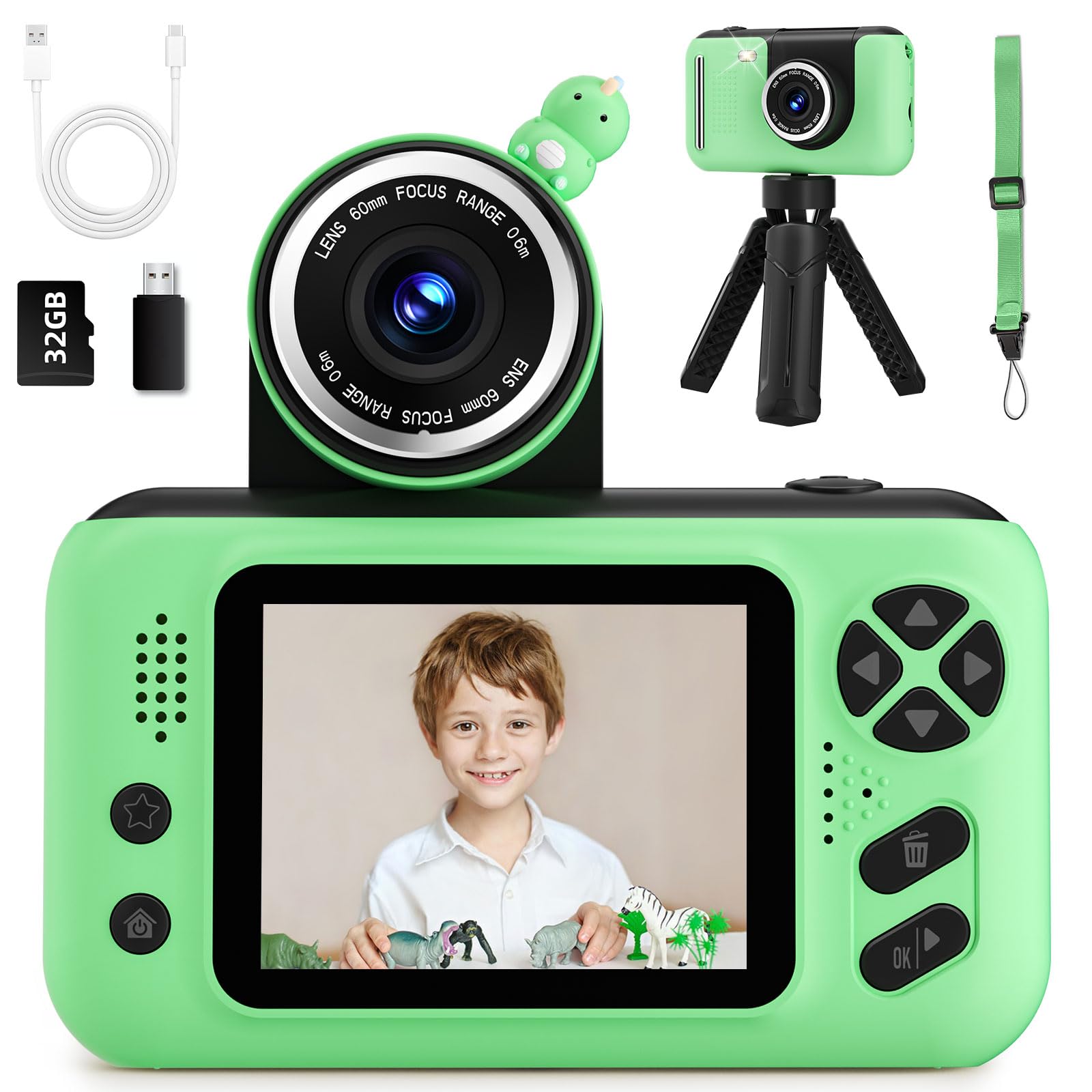
- Included Accessories: 32GB SD, tripod, card reader
- Ease of Use: Easy for selfies
- Price: $
The Makolle Kids Camera’s 180° flip lens lets children frame selfies and vlogs without guesswork — a clear advantage for young creators. Included accessories like the tripod, card reader, and lanyard add practical value out of the box. However, the camera’s headline spec is misleading: tested video resolution maxes at 720p, not 1080p, and build quality reports vary, with some units showing wear after a few months. This makes it a niche fit for kids who prioritize selfie ease over video fidelity and long-term durability.
Pros
- 180° flip lens lets kids see themselves while recording – ideal for selfies and vlogging.
- Includes tripod, card reader, and lanyard for immediate use.
Cons
- Video resolution is 720p despite marketing 1080p.
- Build quality varies; some units may show wear over time.
Worth considering if your child enjoys taking selfies and vlogging, and you accept 720p video and possible durability variances.
Best for Budget Dual-Lens
YEEHAO Dual Lens Cam

Key Features
- Video Resolution: 1080p
- Battery Life: Under 1 hour actual
- Included Accessories: 32GB SD, silicone case
- Ease of Use: Simple interface
- Price: $
The YEEHAO camera delivers the lowest entry point for dual selfie lenses and a protective silicone case — a tempting package for budget-conscious buyers. However, the trade-off is clear: real-world battery life often drops below one hour, and some units freeze or need resetting after a few weeks. This makes it best suited as a throwaway camera for occasional, supervised use rather than a daily companion. If you can accept these performance hiccups, the included SD card and kid-friendly design still offer value for the price.
Pros
- Very low price with dual selfie lenses and included SD card.
- Cute silicone case offers good drop protection for young children.
Cons
- Battery life often runs under one hour in real use.
- Some units freeze or stop working after a few weeks, requiring a reset.
Worth considering if you need the cheapest dual-lens camera and are willing to accept occasional battery and freezing issues for occasional use.
How to Choose
Advertised megapixel counts and video resolutions rarely match the actual photo and video quality a kids camera delivers.
Video Resolution
Most kids cameras claim 1080p, but many deliver only 720p in real use—check verified reviews for actual sample footage. 4K is rare and overkill for this age group. Focus on consistent 1080p output rather than inflated numbers.
Durability
A camera that survives drops is essential for toddlers. Look for silicone bumpers, shockproof casings, and user reports of falls onto hard floors. Models without explicit durability features are better suited for older kids who are gentler with devices.
Battery Life
Expect 2–3 hours of mixed use from most budget cameras. For all-day outings, models with 4–5 hours or spare rechargeable batteries are worth the extra cost. Short battery life under an hour is a dealbreaker for real-world use.
Included Accessories
Many cameras come with a basic 32GB SD card, but these are often slow or unreliable. Consider buying a branded replacement. A lanyard, case, or spare battery adds convenience—check the box before assuming you need extras.
Ease of Use
For toddlers, one-button operation and large icons matter more than features. Older kids can handle menus and settings. Avoid cameras that require adult setup every time—look for child-friendly interfaces in reviews.
FAQ
Why do kids cameras have such high megapixel claims but low quality photos?
Manufacturers use interpolation to boost the megapixel number—a tiny sensor can’t physically capture 48MP of detail. The real image quality depends on sensor size and lens, not the megapixel count. For kids cameras, anything above 8MP is marketing fluff; focus on actual photo samples from reviews.
How long do kids instant print cameras typically last?
Many instant print cameras develop printing mechanism failures within weeks to a few months. Thermal prints are also black-and-white and fade over time. If you want lasting memories, a standard digital camera with an SD card is more reliable.
What features should I look for in a kids digital camera?
Prioritize durability (shockproof design), battery life of at least 2 hours, an included SD card (but plan to replace it), and simplicity for your child’s age. Video resolution should be verified 1080p, not just claimed. Avoid cameras that rely on games as a primary selling point.
Are cheap kids cameras worth buying?
Yes, for toddlers who may drop or lose the camera repeatedly. Models under $30 can be durable and fun, but they often have poor indoor photo quality and short battery life. For older kids, spending a bit more on a mid-range model with better image quality and reliability is worthwhile.