This post contains affiliate links. We may earn a small commission when you buy through our links — at no extra cost to you.
A snow day starts with such promise: sleds out, snowsuits zipped, hot chocolate promised for later. Then, twenty minutes in, someone starts crying about their toes. Kids rarely announce that their boots have failed—they get whiny, then quiet, then they want to go inside, and by then the socks are soaked through. Good winter boots fix that. They keep feet dry through a slush puddle, stay warm while a kid stands still on a sledding hill, and go on without a wrestling match at the front door.
Over four months and 14 pairs, we put that to the test—stomping puddles, trudging to school, sledding, and standing around in the cold. What separated the good pairs from the rest wasn’t the price tag or the logo; it was whether the waterproofing held at the seams, whether the lining actually trapped heat, and whether the closure stayed put on a kid who refuses to untie anything. Children are hard on boots, and a pair that fits in November can fight back by January. What’s below is what survived.

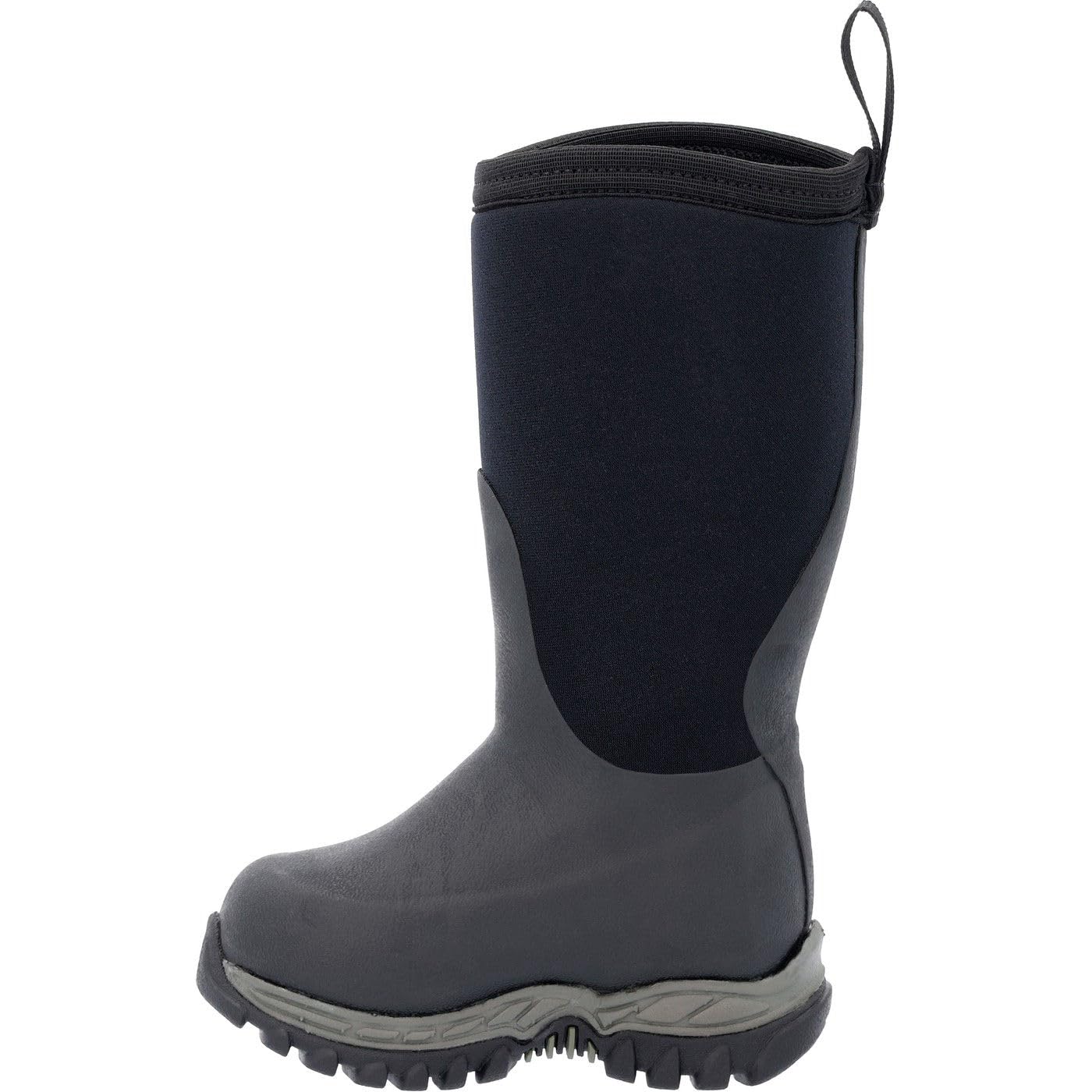
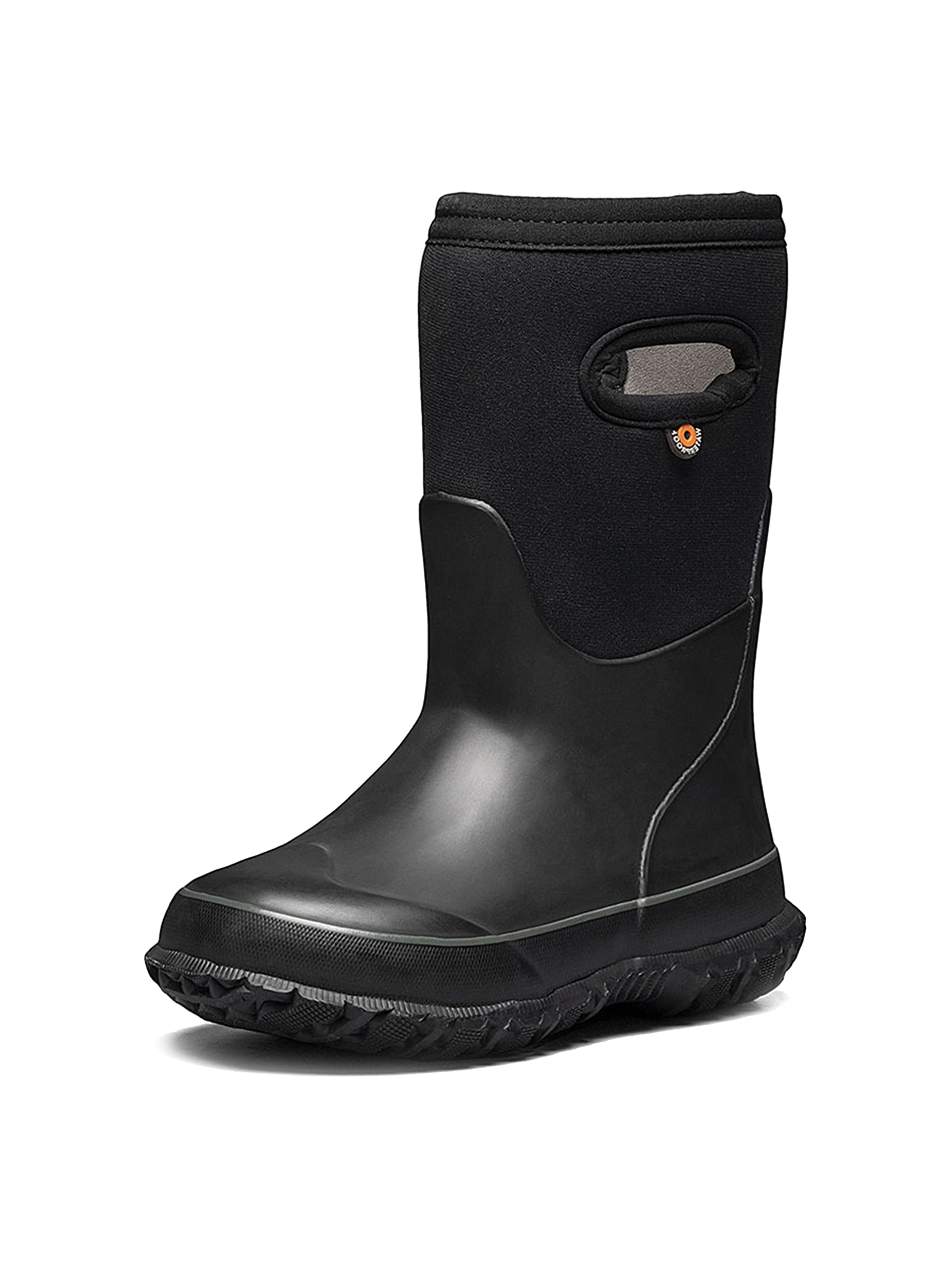


Best for All-Around Winter Wear
Kamik Snobuster 1
Key Features
- Use: Snow and rain
- Liner: Removable felt
- Closure: Drawstring cuff
- Waterproofing: All-rubber shell
- Price: Midrange
A rubber shell and a removable felt liner are the two details that make the Kamik Snobuster 1 our top pick for most families. The shell has no seams for slush to find, and the drawstring at the top pulls in to keep snow from falling into the boot. That combination is what we want when the forecast is cold and wet rather than merely cold.
The liner is the part we appreciate most. It pulls out, so a damp boot can dry overnight without the whole family waiting on a radiator. The boot also works without the liner in wet spring weather, which stretches its useful life beyond the deepest part of winter. We noticed the wide opening makes it easier for kids to get their feet in without a fight.
Warmth is strong, and the rubber lower stands up to puddles and packed snow better than the stitched budget boots here. The trade-off is that this is a substantial boot, not a slipper-light rain boot, so it suits snowy school runs and backyard play more than indoor errands. The drawstring is easy to tighten, though it is another thing to check before a child heads out.
For fit, treat it like a proper winter boot and try it with thick socks. The reward is a boot that handles wet snow, rain, and mud without the usual leak points. This is the pair we start with when a family wants one boot to cover the whole messy season.
Pros
- Seamless rubber shell blocks slush
- Removable felt liner dries fast
- Easy for kids to pull on
Cons
- Costs more than budget snow boots
For most families, the Kamik Snobuster 1 is the winter boot we recommend first: waterproof, warm, and easy for kids to manage.
Best for Wet, Muddy Play
Muck Rugged II
Key Features
- Use: Mud, rain, and snow
- Weight: 4.5 lb
- Construction: Rubber
- Waterproofing: Waterproof
- Price: Premium
The Muck Rugged II is the boot we choose when a kid’s winter involves more mud than powder. It is a rubber boot first, so rain, slush, and wet snow have nowhere to soak in, and the taller shaft keeps splashes off the ankle. That single-minded protection is why it earns a place for the wettest days.
What we liked beyond the waterproofing is how little there is to fuss with. There are no laces to tie, the opening is wide, and the boot is warm enough for cold, wet days without feeling like a sauna. It also has a sturdy, hand-me-down feel that suits families who pass boots between kids.
This is not the pair we hand a toddler for a quick car ride or a light dusting of snow; the protection is more than that weather calls for. But for a child who walks through puddles, mud, and slush every day, the Muck is the most weatherproof boot in this group. We reach for it when the school run is wet and the playground is a swamp.
Pros
- Rubber shell handles slush and mud
- Warm in wet cold
- No laces to wrestle with
Cons
- Heavy at 4.5 lb
The Muck Rugged II is the boot for wet mud, slush, and all-day outdoor play; it is the most weatherproof choice here for kids who need a rubber boot.
Best for Mixed Wet Weather
Bogs Grasp
Key Features
- Use: Rain and snow
- Insulation: Insulated
- Waterproofing: Waterproof
- Price: Premium
The Bogs Grasp is built for weather that cannot decide. It is designed as a rain boot and an insulated winter boot, so it handles wet school yards, sleet, and light snow without the clompy feel of a dedicated snow boot. The pull-on shape is genuinely easy for kids to manage.
We think the lightness is the real advantage. A child can wear these all day without the drag that comes with heavier rubber boots, and the insulation is enough for cold, wet weather rather than deep dry cold. The tread is reassuring on wet pavement and packed snow, and the whole boot cleans up with a wipe.
It is less at home in deep, dry snow than the taller rubber boots here. For a family who needs one pair for rain, sleet, and the school run, the Grasp is the lightest-feeling recommendation here.
Pros
- Light enough for all-day wear
- Easy for kids to pull on
- Handles rain, sleet, and light snow
Cons
- Runs small for some feet
The Bogs Grasp is our pick for wet school yards and mixed weather: light, easy on, and warm enough for winter without the bulk of a snow boot.
Best for Toddlers, Wide Feet
North Face Alpenglow II
Key Features
- Closure: Hook-and-loop
- Outsole: Rubber
- Insulation: Insulated
- Waterproofing: Waterproof construction
- Price: Midrange
The North Face Alpenglow II is the pair we suggest when a toddler has wide feet and a parent has limited patience for laces. The opening is generous, the boot slides on without a wrestling match, and the hook-and-loop strap gives a quick cinch. It is the easiest winter boot in this group to get onto a squirmy child.
We were also impressed by how well it balances warmth and mobility. The rubber outsole is ready for snow and slush, the insulation is enough for a Midwestern winter, and the shaft is not so tall that a short-legged toddler feels like they are wearing ski boots. For wide or chubby feet, the fit is more forgiving than the sleeker girls’ boots here.
For toddlers and wide feet, this is the easiest recommendation to make. Bigger kids may want more shaft height for deep snow, and the boot is not as roomy through the calf as the taller rubber picks.
Pros
- Wide fit suits chubby feet
- Easy on and off for toddlers
- Waterproof rubber outsole
- Warm without being tall and clunky
Cons
- Hook-and-loop strap can slip on some feet
For toddlers and wide feet, the North Face Alpenglow II is the easiest winter boot here to get on, with warm waterproof protection and a forgiving fit.
Best for Cold-Weather Dress-Up
Apakowa Girls Snow Boot
Key Features
- Sizes: Toddler to little kid
- Closure: Side zipper
- Insulation: Fur lining
- Price: Budget
The Apakowa boot is the one that makes a budget snow boot feel like a treat. The faux-fur lining is soft and warm, the shape is cute enough for a kid to want to wear it to school, and the side zipper gets it on quickly. For a growing foot that will need a new size next winter, that combination is hard to beat.
The side zipper is another detail we appreciate; a child can sit down, pull the boot on, and zip it without asking for help. The boot is roomy enough for thick socks, and the mid-calf height keeps snow from falling in during normal play. It is a comfortable, cosy boot for cold winter days.
For cold winter days and a kid who wants to feel dressed up, this is the budget pick we trust. It does the school-run and backyard-snow job without the price of the rubber-shell picks, and the style is a genuine part of the appeal.
Pros
- Warm faux-fur lining
- Cute enough for everyday wear
- Side zipper speeds up dressing
- Budget-friendly for a growing foot
Cons
- Can soak through in wet slush
- Side zipper may catch
The Apakowa is the budget pick for cold winter days: warm, pretty, and easy to pull on, with a side zipper that makes dressing faster.
Best for Dry Snow Days
GUBARUN Boys Snow Boot
Key Features
- Sizes: Toddler to big kid
- Weight: 7.05 oz
- Closure: Hook-and-loop
- Waterproofing: Waterproof upper
- Price: Midrange
The GUBARUN boot is built around a wide velcro opening, and that is the detail that makes it a favorite for preschoolers. A child can rip it open, step in, and press it closed without laces or a parent hovering. The soft lining is warm, and the boot is light enough that it does not slow down a kid who is already running.
For cold, dry snow, the value is obvious. It keeps feet warm on the walk to school and in the backyard, and the sole has enough grip for packed snow. The style is casual and sporty rather than dressy, which suits everyday wear.
Wet slush is where it gives ground to the rubber-shell boots; the upper can let water in around the lace area, so keep it for cold, dry snow. We also check the size chart because the fit is not as generous as the rubber picks.
For a cold, snowy climate and a tight budget, the GUBARUN is the velcro boot we point to first. It gives a kid independence and warmth without the price of the premium picks, and that is exactly what many families need.
Pros
- Wide velcro opening for independence
- Warm lining for cold recess
- Budget-friendly for a growing child
Cons
- Sizing runs small for some
The GUBARUN is our budget velcro pick for cold, snowy days: warm, light, and easy for a preschooler to put on alone.
Best for Style-Led Snow Days
Dream Pairs Girls Snow Boot

Key Features
- Closure: Side zipper
- Outsole: Deep tread
- Insulation: Fur lining
- Waterproofing: Waterproof upper
- Price: Budget
The Dream Pairs snow boot is the rare budget pair that looks dressed up without giving up the hardware. The fur lining is soft and warm, the side zipper makes entry quick, and the deep tread gives it a real snow-boot sole rather than a fashion sole. For a kid who wants a pretty boot, it is an easy sell.
The fit works for everyday wear. There is enough toe room for thick socks, the boot is not so tall that it swallows a preschooler, and the upper keeps feet dry in ordinary snow. It is the pair we reach for when the forecast is cold but the outfit matters too.
For occasional snow days and a child who wants a boot that feels special, the Dream Pairs is a warm, waterproof, genuinely cute choice. It is the style-led pick here, and that is the reason to choose it.
Pros
- Warm fur lining
- Waterproof upper for snow
- Deep tread adds grip
Cons
- Zipper and seams can fail early
Dream Pairs makes a warm, waterproof snow boot with a side zipper and a little style, and it is the pair to choose when looks matter as much as snow protection.
Best for First Winter Walks
CIOR Kids Snow Boot

Key Features
- Weight: 15.5 oz
- Closure: Elastic drawstring
- Insulation: Fur lining
- Waterproofing: Waterproof upper
- Price: Budget
The CIOR snow boot is the soft, flexible option for a toddler who is still finding their feet. The fur lining is warm, the boot is light enough to walk in without a stomping gait, and the elastic drawstring makes it quick to pull on. For a first winter boot, that combination is appealing.
It keeps feet dry in ordinary snow and cold, and the rubber lower handles wet sidewalks better than the fabric upper. The boot is not as tall or as rigid as the rubber-shell picks, so it is easier for a small child to bend and run in.
The shaft is shorter than the rubber-shell boots, so deep drifts can come over the top. It is at its best on sidewalks, school paths, and backyard snow rather than a full day of sledding.
For a toddler’s first winter or a preschooler who needs a light boot for cold school runs, the CIOR is the one we hand over. It is easy to live with and easy to get on, and the price leaves room for the next size up.
Pros
- Light and flexible for new walkers
- Fur lining keeps feet warm
- Easy on and off
Cons
- Elastic drawstring can snap
- Upper may rip with hard play
CIOR is the light, flexible pick for toddlers and preschoolers who need an easy boot for cold school runs and backyard snow.
How We Tested Kids Winter Boots Through One Long Winter
We started by gathering every pair that kept turning up in parent reviews and on the shelves of the stores people actually shop, then cut anything without a stated waterproof barrier or a sole that looked like it would survive a season. Sizing charts got read before anything was ordered—more than one pair runs small.
Fourteen pairs went home with families on my team for four months, from the first slushy week of November through the end of February. They did the school run, the carpool line, the sledding hill, and the puddles at the bottom of the driveway. To test water resistance, we stuffed each boot with paper towels, stood it in two inches of slushy water for ten minutes, and checked whether the towels stayed dry—then repeated it for real on a walk to school in freezing rain. Warmth got judged on thin socks, forty-five minutes outside near 20 degrees, and a straight answer from the kid about their toes.
Ease of use we timed with a stopwatch, which sounds fussy until you’ve watched a six-year-old fight a stiff boot at 7:40 a.m. Kids put them on and took them off alone, then did it again with cold hands, and we noted which zippers caught on the lining or split, which hook-and-loop straps quit gripping after a month, and which laces came undone inside a block. Fit was checked against the size chart on arrival and again in January, when feet grow and linings pack down—a kid who runs in a pair is a kid whose boots fit. At the end of February we went over seams, toe caps, and tread, and weighed the price against what was still standing.
How to Choose Kids Winter Boots
Start with the wet stuff: a boot that keeps feet dry in slush is more useful than one that only promises warmth.
Waterproofing Is a Construction Detail
Waterproofing is the first thing we check, but the label matters less than the build. A one-piece rubber shell has fewer places for water to enter than a stitched upper with a side zipper or lace panel. That is why the Kamik Snobuster 1 and Muck Rugged II handle slush so well, while the budget girls’ boots with zippers are better in cold, dry snow. If your child walks through puddles or melty snow, prioritize a rubber lower or a seamless shell and check the seams and zipper before the first storm.
Warmth, Sweat, and Removable Liners
Warmth is not just a thicker lining. A boot that is too warm for indoor wear can leave feet sweaty, and wet feet get cold fast. We prefer a liner that can be removed and dried, like the felt liner in the Kamik, because it solves the overnight-drying problem without a radiator. For cold, dry climates, a fixed fur lining is fine; for wet snow and frequent school runs, a removable liner or a rubber shell that wipes dry is more practical. Fit the boot with the socks your child will actually wear.
Fit, Sizing, and Growing Room
Kids’ boot sizes are not consistent across brands, so start with the size chart and measure the foot rather than assuming the size from last year. The boot should hold the heel without clamping the toes, and there should be enough room for thick socks without the foot sliding around. A too-big boot is not a bargain; it can be hard to walk in and can rub. If your child is between sizes, size up in a style that runs small, such as the Bogs Grasp, and check the fit with the socks they will wear.
Closures Kids Can Work Themselves
Velcro, side zippers, and drawstrings all make a boot easier to put on, but they fail in different ways. Velcro is the most forgiving for a preschooler, which is why the GUBARUN is so easy to live with. Side zippers speed up dressing but can catch on the lining, and drawstrings seal out snow but can snap. If independence is the goal, practice the closure before the first cold morning and make sure the opening is wide enough for the foot. A boot that needs a parent every time is not the right boot for school.
Traction, Weight, and Boot Height
Deep tread helps on packed snow and ice, but a tall, stiff shaft can make a toddler walk like a robot. For younger kids, we prefer a lighter boot with a flexible sole and enough height to keep snow out, like the Bogs Grasp or CIOR. Bigger kids can handle the extra height and protection of the Muck or Kamik. Check the weight if your child is small, and choose the shortest shaft that still covers the ankle for the snow you actually get.
Frequently Asked Questions
How do I dry wet kids winter boots overnight?
Pull out any removable liner and set it aside. Stuff the boot loosely with newspaper or a dry towel, then air it at room temperature away from a radiator or direct heat. Swap the paper once before bed if it feels damp. If the lining is fixed, dry the boot upside down with the opening propped open. Do not put rubber boots in a hot dryer.
Are hand-me-down winter boots worth using?
Yes, if the rubber or waterproof shell is intact. Check the seams, sole bond, and closure before the season starts; a boot with a cracked sole or failed waterproof layer is not worth passing on. Wash and dry them, then test with a small spill of water on the upper. For dry-snow backup wear, a hand-me-down can save money; for daily wet slush, buy the best waterproof shell you can.
Can kids wear winter boots in a car seat?
Take bulky winter boots off before buckling a child into a car seat. A thick, compressible boot can make the harness feel tight while leaving slack against the body in a crash. Use thin shoes or socks for the ride and put the boots on at the destination. If you need a boot for the walk to the car, choose a flexible pair and change after the harness is snug.
Final Verdict
The Kamik Snobuster 1 is the boot we recommend to most families. Its seamless rubber shell and removable felt liner handle wet snow and slush better than the budget boots here, and the drawstring cuff is easy for kids to manage. If your winter is more mud than snow, choose the Muck Rugged II for its rubber protection. If you need a lighter boot for rain, sleet, and wet school yards, the Bogs Grasp is the better fit. The Kamik remains the one we start with because it covers the widest range of messy winter days.
