This post contains affiliate links. We may earn a small commission when you buy through our links — at no extra cost to you.
Choosing a disposable diaper feels simple until you’re up at 3am cleaning a blowout from a ‘top-rated’ brand. The weight ranges on the box rarely match real baby shapes, and a ‘hypoallergenic’ claim doesn’t mean it won’t irritate your baby’s specific skin.
What most parents find is that a diaper’s real merit shows up in how well it contains messes through a wiggly night and how it handles sensitive skin. Eco labels and premium price tags rarely predict leak-proof performance—many ‘clean’ diapers sacrifice absorbency. Instead, the choice often comes down to whether you need extra blowout blockers or a diaper that’s pediatrician-recommended and cloud-soft, without those specific blockers. This guide points you toward diapers that match your baby’s shape and typical wetting, so you’re not stuck scrubbing onesies at 2 a.m.
Best for Everyday Reliability
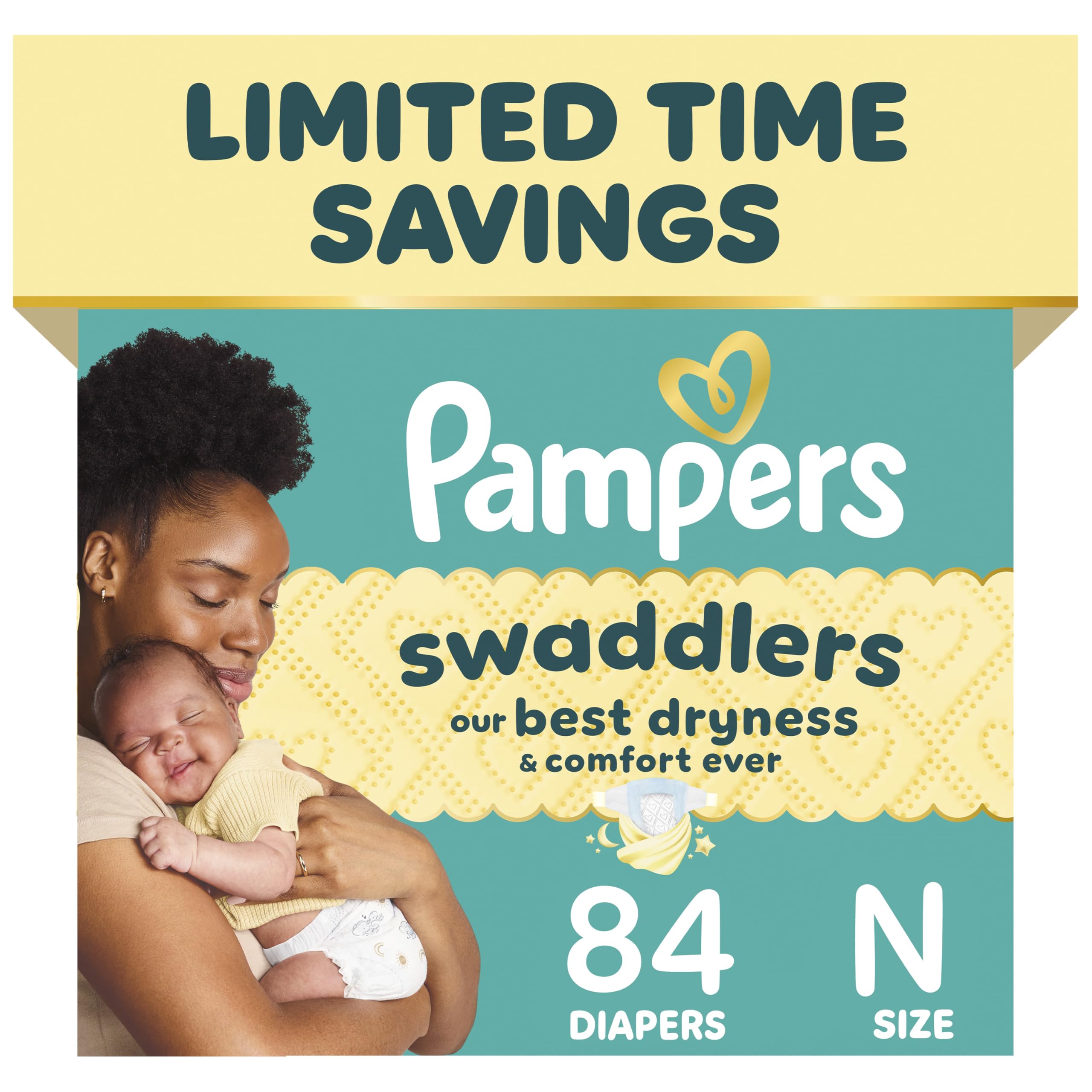
Pampers Swaddlers Newborn
Key Features
- Leak Protection: All-Around LeakGuard
- Skin Sensitivity: Paraben-, latex-, chlorine-free; hypoallergenic
- Price: $$
The hypoallergenic liner remains gentle against delicate newborn skin, and the KeepDry layer quickly pulls moisture away from the surface. A built-in wetness indicator takes the guesswork out of change timing, which is especially useful during bleary-eyed morning feeds. Stretchy side panels and secure tabs wrap comfortably without leaving red marks, even on wriggly little ones.
The diaper’s absorbency handles daytime wetness consistenly, and many parents find it lasts through overnight stretches without leaks. Leak protection hinges on achieving a precise fit around the legs and waist. When the fit isn’t dialed in, side leaks or small up-the-back blowouts can happen. This is a diaper built for everyday rhythm, not for scenarios demanding bulletproof containment with zero margin.
First-time parents who want the most widely recommended option will feel at home here. The softness and wetness indicator appeal to anyone valuing comfort and clarity during the newborn haze. The occasional blowout is a manageable tradeoff for most, but if your baby has reacted to Pampers before or you need guaranteed blowout protection from day one, the diaper with dedicated front-and-back blowout blockers offers a more targeted safeguard.
Pros
- Ultra-soft, hypoallergenic liner gentle on newborn skin
- Stretchy tabs and snug fit keep the diaper in place during wiggling
- Strong absorbency handles everyday wetness and keeps baby dry
- Overnight dryness helps extend sleep stretches for many families
Cons
- Leak protection depends on a precise fit; blowouts or side leaks can occur if the diaper isn’t snug enough
- A subset of babies may experience skin irritation with this diaper
A sensible starting point for new parents who prioritize softness and a clear wetness indicator. If preventing every blowout is critical, the newborn diaper with front-and-back blowout blockers may be a better fit.
Best for Blowout Prevention
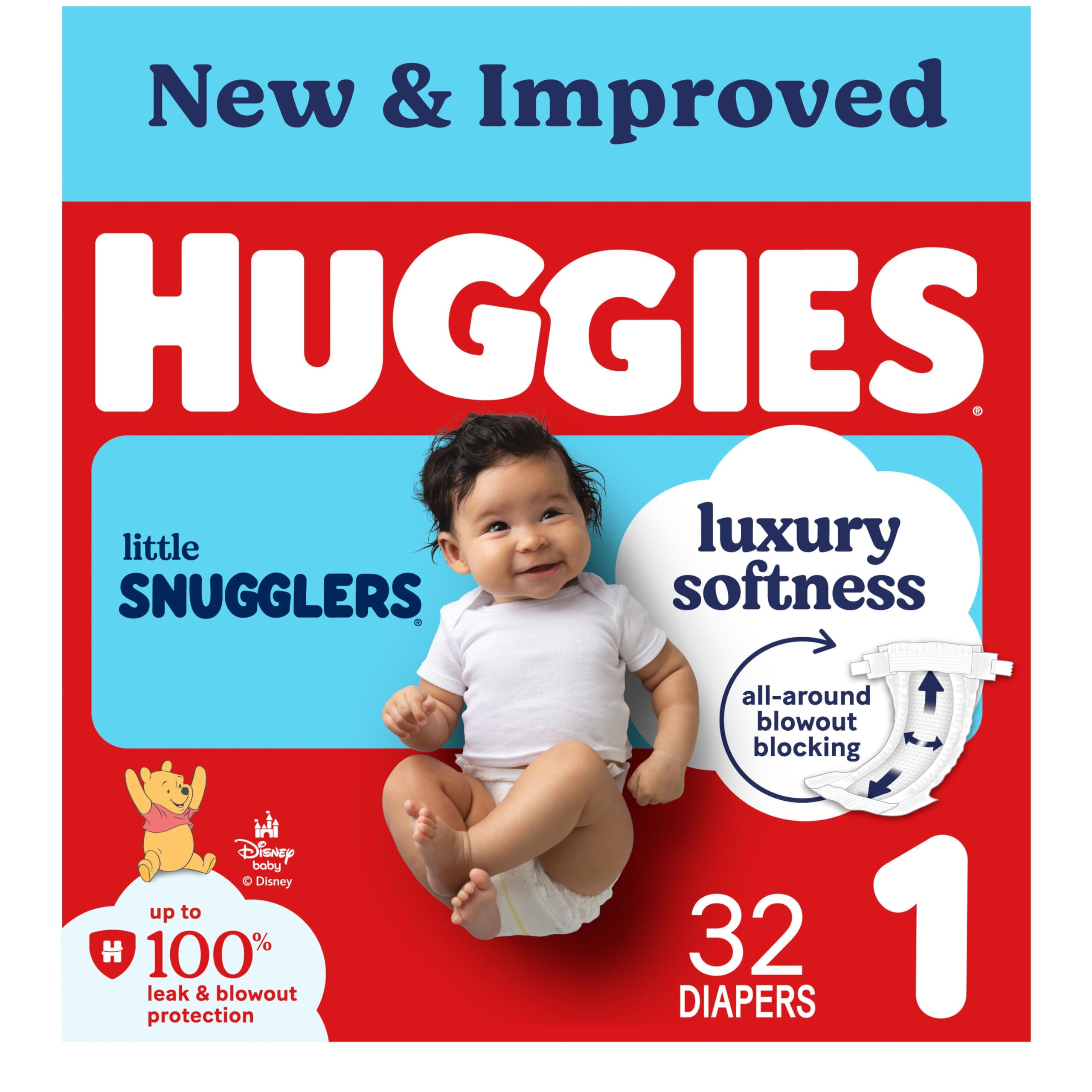
Huggies Little Snugglers Sz1
Key Features
- Leak Protection: Front & back blowout blocker
- Skin Sensitivity: Fragrance-free, hypoallergenic
- Price: $$
Front-and-back blowout blockers distinguish this diaper from standard designs, catching the upward-backward messes that newborns routinely produce. The liner is exceptionally soft and fragrance-free, reducing friction against delicate skin. A stretchy waistband and gusseted leg cuffs keep the diaper snug without sagging, and the mid-range price aligns with premium competitors.
Parents of newborns up to 14 lbs who prioritize blowout containment and a gentle, hypoallergenic feel will get the most from this diaper. Heavy overnight wetters may still push beyond the absorbent core during long sleep stretches, so it is not intended for 12-hour protection. The wetness indicator works but stays subtle, which can require a closer look in dim nurseries.
Pros
- Front-and-back blowout blockers catch up-the-back messes that standard diapers miss.
- Exceptionally soft, fragrance-free liner feels gentle on newborn skin.
- Stretchy waistband and leg cuffs provide a secure, gusseted fit that prevents gaps.
Cons
- Wetness indicator is subtle, making it less obvious in low-light nursery conditions.
- For heavy overnight wetters, occasional leaks may still occur despite the blowout blocker.
If blowout containment tops your list and you’re okay keeping a separate overnight diaper for heavy wetters, Huggies Little Snugglers is the smart everyday choice for the newborn months.
Best for Active Toddlers
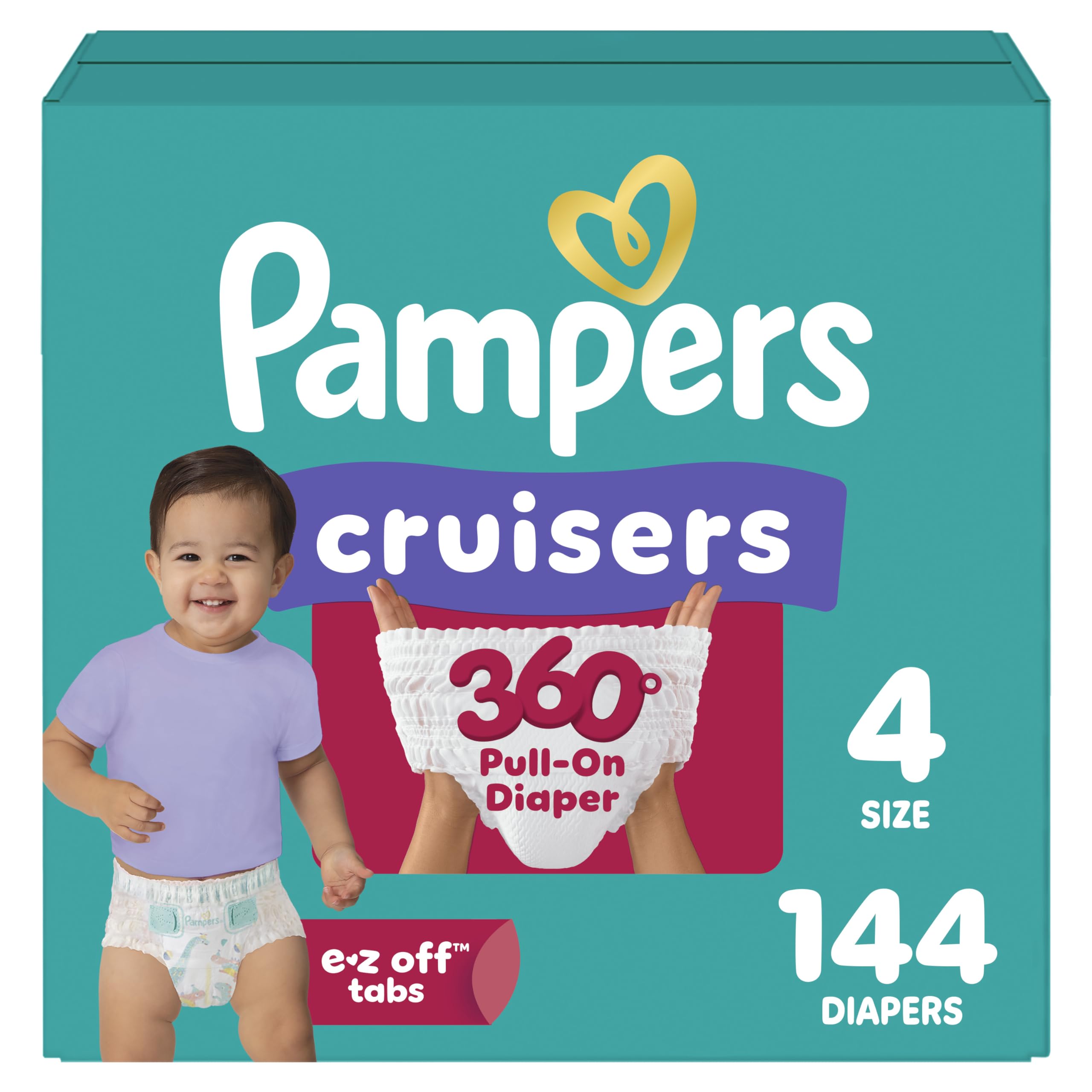
Pampers Cruisers 360 Sz4
Unlike traditional tape-on diapers that require a flat surface and a cooperative baby, the Cruisers 360 pull-on design slips on while your child stands, crawls, or squirms. The stretchy waistband moves with active toddlers, and the tear-away sides make disposal quick. The contoured fit stays snug during crawling and walking, reducing the struggles that come with tape adjustments.
This design targets parents of wiggly, mobile babies ready for easier changes and toddlers beginning potty training — the pull-up style encourages independence. It handles daytime naps and active play without issue, but for overnight use, leaks can happen with heavy wetters. It isn’t built to replace a dedicated nighttime diaper. Also, it isn’t suited for newborns or infants under size 3; those stages need the precise fit and cord cutout of a newborn-specific diaper.
Pros
- Pull-on design makes diaper changes fast and frustration-free for mobile, squirmy babies.
- Helps potty-training toddlers feel like they’re wearing underwear, building confidence and independence.
- Stretchy waistband and contoured shape move with active babies without bunching or sagging.
Cons
- Overnight absorbency may fall short for heavy wetters, allowing leaks that a dedicated nighttime diaper would prevent.
For parents of mobile toddlers who dread diaper battles, the pull-on convenience and comfortable fit make Pampers Cruisers 360 a smart daytime choice. Keep a dedicated nighttime diaper on hand if your child soaks through.
Best for Active Movement
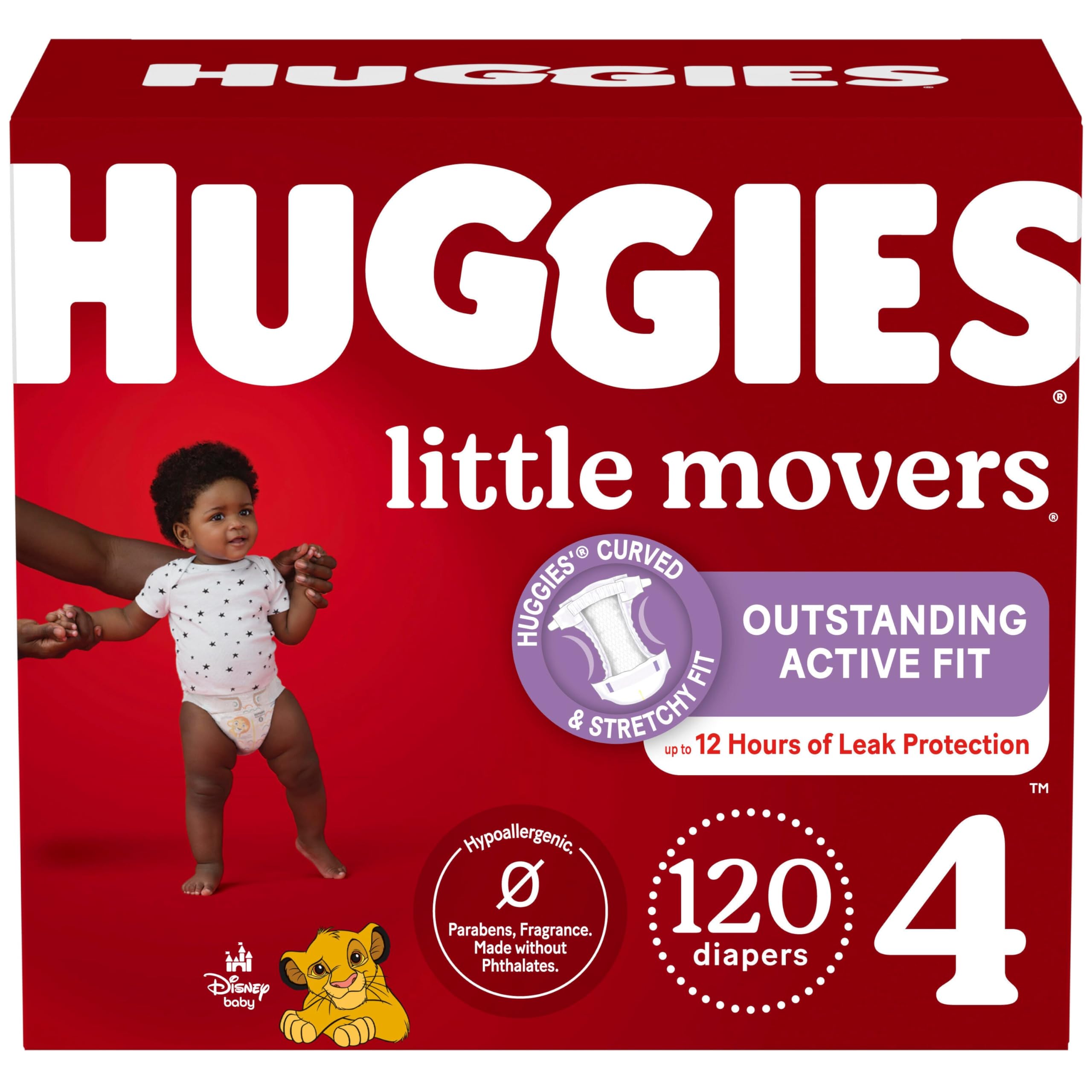
Huggies Little Movers Sz4
Key Features
- Leak Protection: Double Grip Strips, 99% wetness lock
- Skin Sensitivity: Fragrance-free
- Price: $$
Where newborn-focused diapers prioritize softness and blowout blockers, this one uses Double Grip Strips and a reinforced waistband to prevent sagging during crawling and cruising. The DryTouch liner provides strong daytime absorbency, and the fragrance-free design avoids unnecessary additives. The diaper’s contoured fit stays snug through twists and stands up to active play without the bunching that leads to leaks.
This is the right diaper for parents of babies 22-37 lbs who are rolling, crawling, and starting to walk — the phase where movement can shift a typical diaper out of place. It’s a dependable daytime option, but heavy overnight wetters will need an overnight-specific version. A subset of babies can develop skin irritation, so if your child has known sensitivities, test with a small pack before committing to a full box.
Pros
- Secure fit that stays in place even during vigorous crawling and walking.
- Good absorbency for daytime use and naps.
- Durable construction resists sagging and bunching with active movement.
Cons
- A subset of babies may develop skin irritation, possibly linked to the absorbent liner.
For parents of active crawlers and early walkers, this diaper’s stay-put design provides dependable daytime protection; if your baby is rash-prone, try a small pack first.
Best for Eco-Conscious Newborns
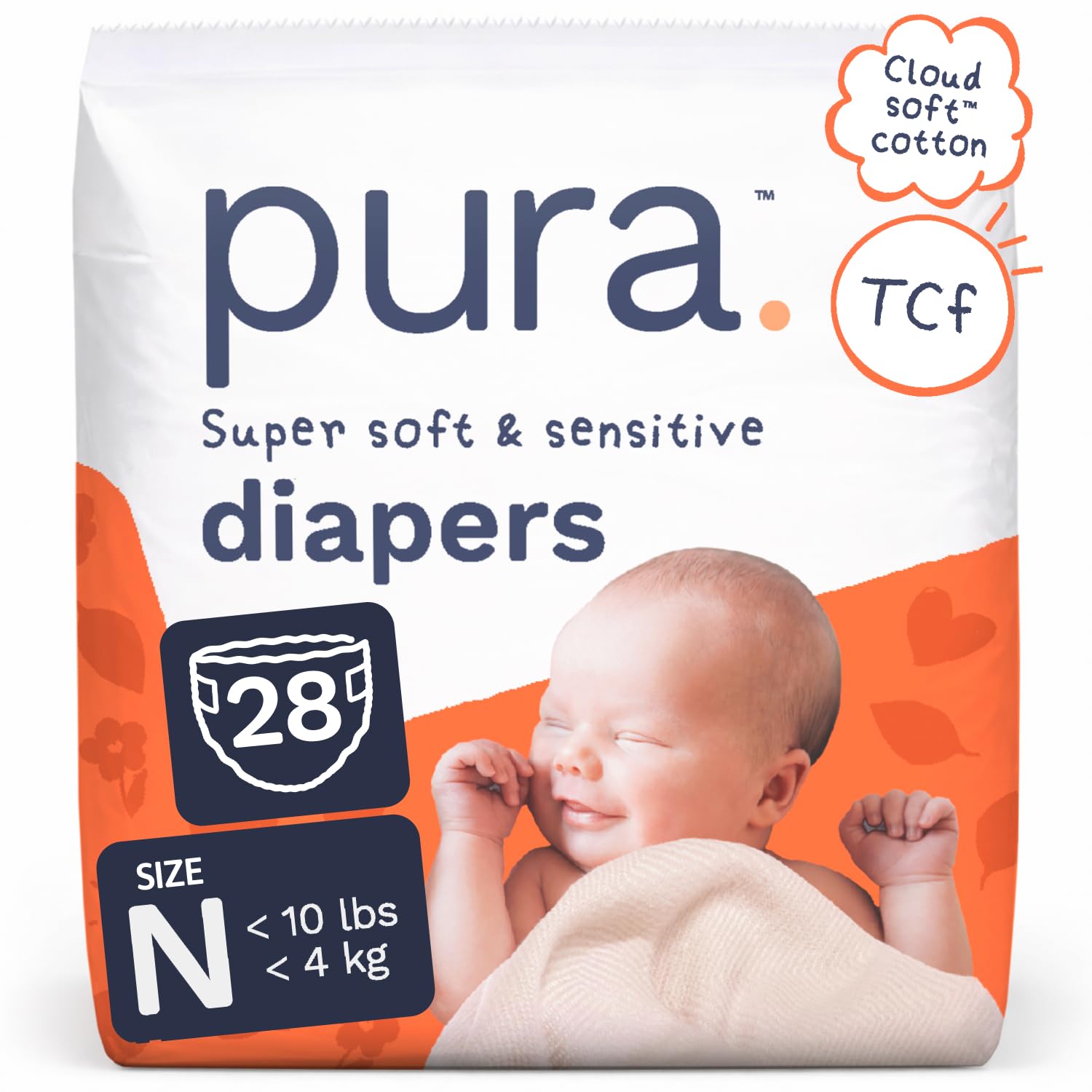
Pura Newborn
Key Features
- Leak Protection: Blowout blocker
- Skin Sensitivity: Totally chlorine-free, organic cotton
- Price: $$$
The Pura Newborn diaper wraps your baby in an organic cotton backsheet that feels remarkably cloud-soft — a rarity among disposable diapers. Totally chlorine free and free of fragrances and lotions, it’s designed for parents who want a skin-first, ethically made option from a B-Corp brand without sacrificing softness.
This diaper fits newborns on the higher end of the weight range or those with chunkier thighs best. Sizing runs notably large; the Newborn size can feel baggy on babies under 8 lbs, and that loose fit can lead to leaks around the legs. For bigger newborns, the generous cut and soft, breathable materials create a comfortable, rash-free experience. If your baby is standard-sized, be prepared to experiment with fit or size down.
Pros
- Cloud-soft organic cotton backsheet is incredibly gentle on newborn skin
- Great for sensitive skin; many babies avoid diaper rash even with extended wear
- Good value among organic, chlorine-free diapers, offering premium materials at a competitive price
Cons
- Sizing can run large, causing a baggy fit that may lead to leaks, especially for smaller newborns
- Leak protection is not fully consistent; the generous cut may let messes escape around the legs
If your newborn is on the chunkier side and you want the softest chlorine-free diaper, Pura delivers unmatched skin gentleness and organic materials at a fair price. For standard-sized newborns, you’ll likely need to size down or risk leaks.
Best for Eco-Conscious Families
Bambo Nature Eco Sz1

Key Features
- Skin Sensitivity: Totally chlorine-free, hypoallergenic
- Price: $$$
Bambo Nature’s totally chlorine-free wood pulp and soft liner provide skin-soothing comfort that can calm existing rashes without harsh chemicals. Absorbency is modest — these diapers aren’t built for long stretches or heavy wetters, and the sizing tends to run large for the printed weight range, so leaks can occur without a careful fit. For eco-conscious parents willing to size down and change frequently, the tradeoff in performance is often acceptable, especially for babies sensitive to mainstream brands.
Pros
- Soft, totally chlorine-free wood pulp construction feels gentle and breathable.
- Skin-friendly materials that can soothe existing rashes and rarely provoke new irritation.
Cons
- Absorbency may not last beyond a few hours, limiting overnight or extended use.
A solid choice for families with rash-prone babies who need a totally chlorine-free option and can work around the oversized fit and short wear window.
Best for Budget Bulk
Luvs Platinum Sz1

Key Features
- Leak Protection: Triple Leakguards
- Skin Sensitivity: Hypoallergenic, paraben/latex-free
- Price: $
Luvs Platinum Protection Size 1 diapers offer the lowest per-diaper cost among name-brand options in a 294-count box, ideal for budget-constrained families. Unlike diapers with dedicated blowout blockers, these lack structural reinforcements that contain up-the-back messes. The thinner build and basic absorbency mean leaks and blowouts can happen if the diaper is pushed beyond a short daytime window. This bulk pack suits parents who change diapers very frequently and can accept occasional mishaps; it’s not for overnight or heavy wetters.
Pros
- Lowest per-diaper cost among mainstream name-brand diapers, maximizing value for budget-conscious households.
- Includes a wetness indicator, helpful for timing frequent changes.
Cons
- The diapers feel noticeably thinner and less substantial than premium alternatives.
- Leakage and blowouts can occur during longer stretches between changes, making them unreliable for overnight or heavy wetters.
If you need an ultra-low cost per diaper for frequent short daytime changes and can live with occasional leaks, this bulk box delivers unmatched affordability.
How to Choose
The weight range on the box is often the poorest predictor of a diaper’s real-world fit; instead, focus on how the cut and stretch conform to your baby’s unique shape.
Leak Protection and Blowout Prevention
Elastic leg cuffs, front-and-back blowout blockers, and dual leak guards all help, but the biggest factor is the seal around the thighs. If the diaper is even slightly loose in the leg crevice, liquid escapes regardless of absorbent core quality.
However, extra bulk from added blockers can restrict movement for active babies. For newborns, look for a snug umbilical cutout and gentle leg gathers; for crawlers and walkers, a contoured fit with double grip strips reduces side leaks during motion.
Softness and Skin Comfort
Softness often comes from embossed top layers and added lotions like aloe, but these coatings can retain moisture against the skin if the wicking layer underneath is weak. A plush feel doesn’t always equal dryness.
The trade-off is that heavily softened diapers may cause more friction or allergic reactions in sensitive babies. If your baby tends to get red marks, choose a fragrance-free diaper with a breathable liner that pulls wetness away quickly instead of relying on surface softness.
Fit Consistency
Weight ranges are unreliable—many brands run large or small, and a diaper that claims to fit 8–14 lbs may sag on an 8-pounder yet press red marks on a 14-pounder with thinner thighs. Cut differences matter more than the printed number.
Babies with chunky thighs often need a wider crotch and higher cut, while long, lean torsos require a stretchier back panel. Buy a small pack first, and when the fit looks right (no gaps at the legs, two-finger tautness at the waist), then invest in a larger box.
Skin Sensitivity and Hypoallergenic Claims
Hypoallergenic means fewer common irritants, but not zero risk. Chlorine-free, fragrance-free, and latex-free certifications are a good starting point, yet the real trigger for rashes is often prolonged dampness, not chemical exposure.
Many plant-based diapers sacrifice absorbency and leave moisture on the skin longer than a mainstream option with a synthetic moisture-wicking layer. For rash-prone babies, prioritize a fast-drying inner liner and a snug fit that prevents leaks, because wetness is the harshest irritant.
Cost Per Diaper
A lower price per diaper often means weaker absorbent cores or thinner outer covers, leading to more frequent blowouts and extra laundry. The hidden cost is your time and outfit changes.
Spending slightly more on a mid-range diaper with proven leak protection can actually save money by reducing the number of changes needed and preventing ruined clothes. Bulk buying the cheapest brand only works if you’re prepared to change every hour.
FAQ
Why does my baby’s diaper leak even when it’s the right size?
Even correctly sized diapers can leak if the leg cuffs aren’t positioned or the waist is too loose. The shape of your baby’s thighs matters more than the weight range—some diapers have a narrow cut that doesn’t seal around chunky legs. Try tucking the inner ruffles out and ensuring a snug waist, or switch to a brand known for a contoured fit like Huggies Little Movers for active legs.
Are expensive eco-friendly diapers better for preventing rashes?
Not necessarily. Many eco diapers use chlorine-free fibers that are gentle but less absorbent, leaving moisture against the skin longer than mainstream brands. A diaper with quick moisture-wicking layers often prevents rashes better than a premium organic cover. If your baby has diagnosed allergies, a fragrance-free, lotion-free mainstream diaper can outperform a costly ‘clean’ brand.
What’s the difference between Huggies Little Snugglers and Pampers Swaddlers for newborns?
The key difference is Huggies’ front-and-back blowout blocker (size 1 & 2) versus Pampers’ softer, fluffier material and ubiquitous pediatrician recommendation. Little Snugglers is fragrance-free and leans on physical barriers for mess containment; Swaddlers prioritizes cloud-like softness and a wetness indicator parents love. For frequent up-the-back blowouts, go Huggies; if softness and doctor trust matter most, choose Pampers.
How do I choose between pull-on diapers and regular tape diapers?
Pull-on diapers excel when your child stands or resists lying down—they’re faster for daycare and potty training because kids can pull them up themselves. Tape diapers offer a precise, secure fit and are easier for newborns and heavy wetters. Switch to pull-on only once your baby is mobile and fights changes, and keep tape diapers for overnight reliability.