This post contains affiliate links. We may earn a small commission when you buy through our links — at no extra cost to you.
Parents know the drill: a kid comes in from sledding with soaked fingers despite wearing ‘waterproof’ gloves, or a toddler yanks off mittens before the first snowball is thrown. The kids gloves aisle is full of big promises about warmth and waterproofing that crumble in actual snow. Many budget and mid-range models claim water resistance but leave hands damp, while bulky mittens that stay on can turn dressing into a wrestling match.
This guide homes in on the gloves and mittens that deliver where it counts. Whether your child needs touchscreen-friendly fingertips for outdoor tablets, a dozen cheap knit pairs because they lose everything, or a truly waterproof mitten for snow-filled afternoons, the picks ahead match specific real-world demands. The goal isn’t a one-size-fits-all winner — it’s the right pair for your kid’s actual winter.




Best for Toddler Snow Play
Zelda Matilda Thinsulate Mittens
Key Features
- Waterproofing Reliability: Water-resistant
- Insulation & Warmth: 100g Thinsulate, fleece
- Fit & Sizing: Runs large
- Ease of Putting On: Snug cuff, challenging to put on
- Mitten vs Glove: Mitten
- Price: Mid-Range
The 100g Thinsulate insulation and fleece lining deliver warmth that sticks around in wet, heavy snow—the type that quickly chills thin gloves. A water-resistant shell and long velcro-adjustable cuffs prevent moisture from sneaking inside, a common weakness in other kids’ mittens. Durability is a bright spot; the stitching holds up through repeat snowball sessions without unraveling. The fit, however, is not a low-effort affair. The mittens run large, and the snug, secure cuff can be a wrestling match with a wiggly toddler. Once past the initial struggle, the mittens stay in place and cover the wrist effectively, but dressing requires a bit of a plan.
Ideal for caregivers whose toddlers spend time in deep, slushy snow and need mittens that prioritize insulation and snow protection over instant pull-on ease. The roomy sizing will see most kids through a full winter and even into next year, though you might need to buy a size smaller than expected. The tight cuff is a trade-off—great for sealing out cold, less so for children who resist dressing or have sensory sensitivity to tight bands.
Pros
- 100g Thinsulate insulation keeps hands warm in snow.
- Long adjustable cuffs block snow entry.
- Durable build withstands active play.
Cons
- Sizing runs large; size down for younger toddlers.
- Snug cuff is tough to put on wiggly hands.
Buy this if you need warm, water-resistant toddler mittens for snow play and don’t mind a larger fit. Skip it if you prioritize easy on/off or need precise sizing.
Best for Style & Dexterity
N’Ice Caps Thinsulate Gloves
Key Features
- Waterproofing Reliability: Inconsistent waterproofing
- Insulation & Warmth: Thinsulate, fleece
- Fit & Sizing: Inconsistent sizing; some too small
- Ease of Putting On: Adjustable cuff
- Mitten vs Glove: Glove
- Price: Mid-Range
Unlike touchscreen-focused fleece gloves, this Minecraft-inspired design puts style and finger dexterity first with Thinsulate warmth. The trade-off is water resistance, which often fails during wet snow play, so it’s a dry-day glove. Best for older children in cold, dry climates who can manage the adjustable velcro cuff on their own and will actually keep these on thanks to the cube pattern.
Pros
- Warmth stays high without the clumsy bulk of puffy mittens.
- Minecraft cube pattern and bold colors that kids actually want to wear.
- Great bang for the buck given the Thinsulate warmth and fleece lining.
Cons
- Waterproofing fails in wet snow; hands often soak through.
- Seams sometimes separate after aggressive play; washing may accelerate wear.
Buy this if you need a stylish, dexterous glove for dry, cold days and can air-dry after use. Skip it if wet snow is a regular part of your winter.
Best for Lost-Glove Backup
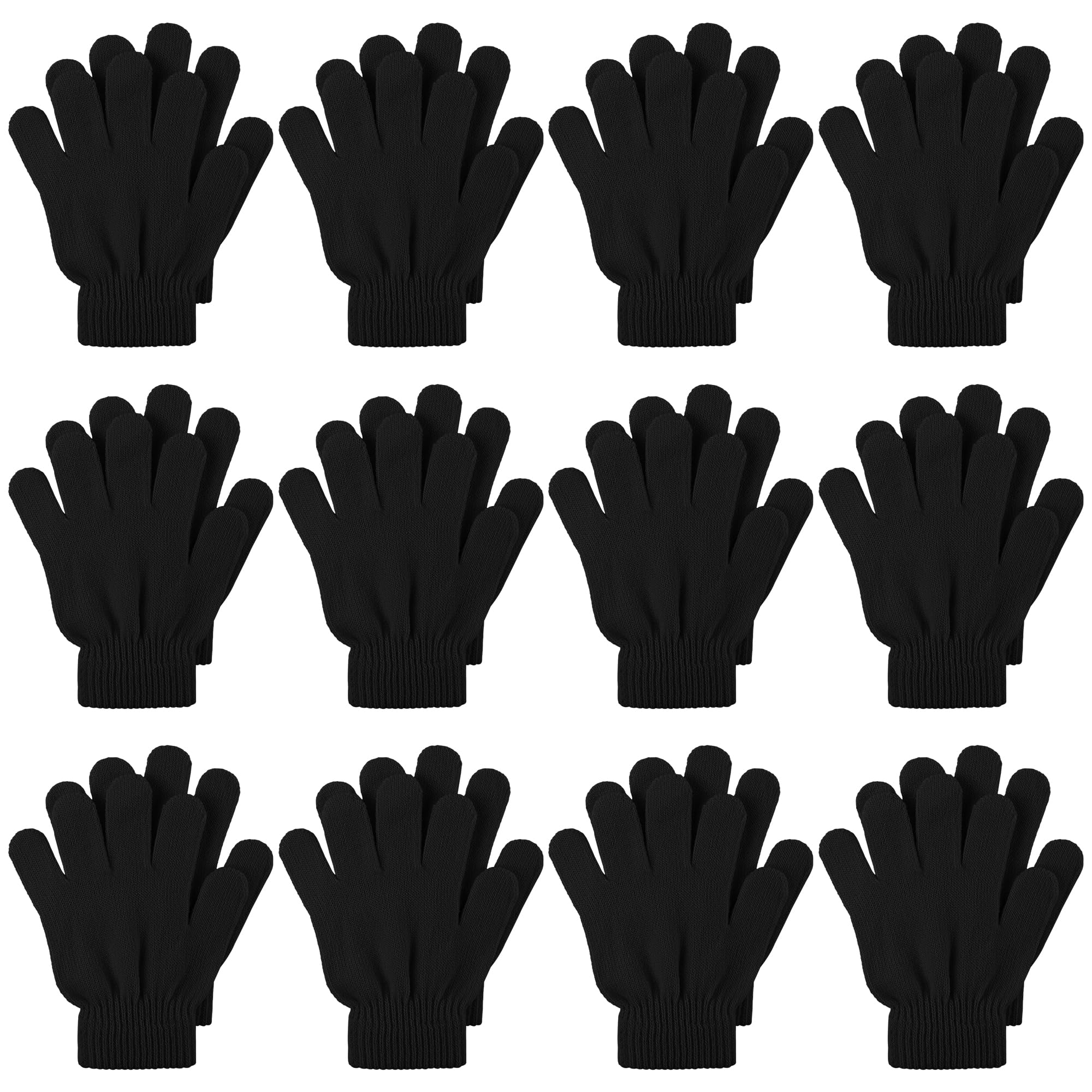
Cooraby 12-Pack Magic Gloves
Key Features
- Waterproofing Reliability: Not waterproof
- Insulation & Warmth: None (thin knit)
- Fit & Sizing: Runs small
- Ease of Putting On: Stretchy, easy on
- Mitten vs Glove: Glove
- Price: Budget
Compared to insulated snow mittens (like the top pick), the Cooraby 12-Pack is not a winter glove for cold or wet weather — it’s a sheer knit layer. You gain a dozen pairs in bright colors, so you can toss one in every bag and never worry about a lost glove. But you give up any meaningful warmth or snow protection. This pack suits mild fall days, school recess when the chill isn’t biting, or as a classroom backup stash. Just know they’re too thin for real cold, and the sizing runs small, fitting more like 3-6 year-olds than the advertised 6-12.
Pros
- Incredible value with 12 pairs at a budget-friendly price.
- Bright, fun color variety keeps kids excited to wear them.
- Lightweight and stretchy, perfect for school recess and light coverage.
Cons
- Material is extremely thin, offering essentially no warmth or water protection.
- Sizing runs significantly small; expect a fit for ages 3-6 rather than 6-12.
Buy this if you need an affordable 12-pack of lightweight gloves for mild days and lost-glove backup. Skip it if your child needs warmth or waterproofing for snow.
Best for Active Play & Grip
Evridwear 3-Pack Gripper Gloves
Key Features
- Waterproofing Reliability: Not waterproof
- Insulation & Warmth: Light fleece
- Fit & Sizing: Runs small
- Ease of Putting On: Stretchy, easy on
- Mitten vs Glove: Glove
- Price: Budget
Unlike warmer gloves that rely on thick insulation, this three-pair set centers on silicone grip palms that let active kids securely hold scooters, balls, and monkey bars. The stretchy knit with light fleece feels comfortable and covers cool, dry days, and having multiple pairs makes daily rotation easy. They are not waterproof, and the thin construction leaves hands cold in snow or sub-freezing temperatures—best suited for mild climates and fall-to-spring recesses where grip matters more than heavy warmth. Parents get an affordable way to keep energetic kids equipped for playground and sport use, but these are not a substitute for insulated, snow-ready handwear.
Pros
- Silicone grip dots help kids hold onto sports equipment and playground bars.
- Three pairs at a budget-friendly price make rotation for school and recess simple.
- Stretchy knit with light fleece feels comfortable and allows dexterity.
Cons
- Too thin for snow or sub-freezing weather; hands get cold quickly.
- Sizing runs small; many kids need a size up for a comfortable fit.
Buy this if you need a multi-pack of grippy, lightweight gloves for active kids during cool, dry days. Skip if you need gloves that keep hands warm and dry in wet snow.
Best for Tech-Savvy Kids
YukiniYa Touchscreen Gloves
Key Features
- Waterproofing Reliability: Water-repellent (mixed)
- Insulation & Warmth: Fleece lining
- Ease of Putting On: Standard glove
- Mitten vs Glove: Glove
- Price: Mid-Range
The touchscreen fingertips on these fleece gloves work across thumb, index, and middle fingers — kids can text, swipe, or play games without removing their gloves, a feature absent from the top-pick mittens. The silver fox wool fleece lining keeps hands warm in dry cold, and the silicone palm adds grip for football or cycling. Reflective strips boost visibility at night. But where the top pick seals out snow with consistent waterproofing, these gloves soak through in wet snow or rain, limiting them to dry conditions. Parents who prioritize device use and safety reflectors over extended snow play will find a well-priced, lightweight choice here.
Pros
- Touchscreen fingertips respond accurately to swipes and taps on phones and tablets.
- Warm fleece lining keeps hands cozy without bulk in dry cold.
- Silicone palm grip helps kids hold balls and bars securely during play.
Cons
- Water repellency is inconsistent — gloves soak through in wet snow and become uncomfortable.
Buy this if your child needs touchscreen gloves for dry, cool days and you want reflective safety. Skip it if snowball fights or wet winter play are on the calendar.
Best for Light Snow Play
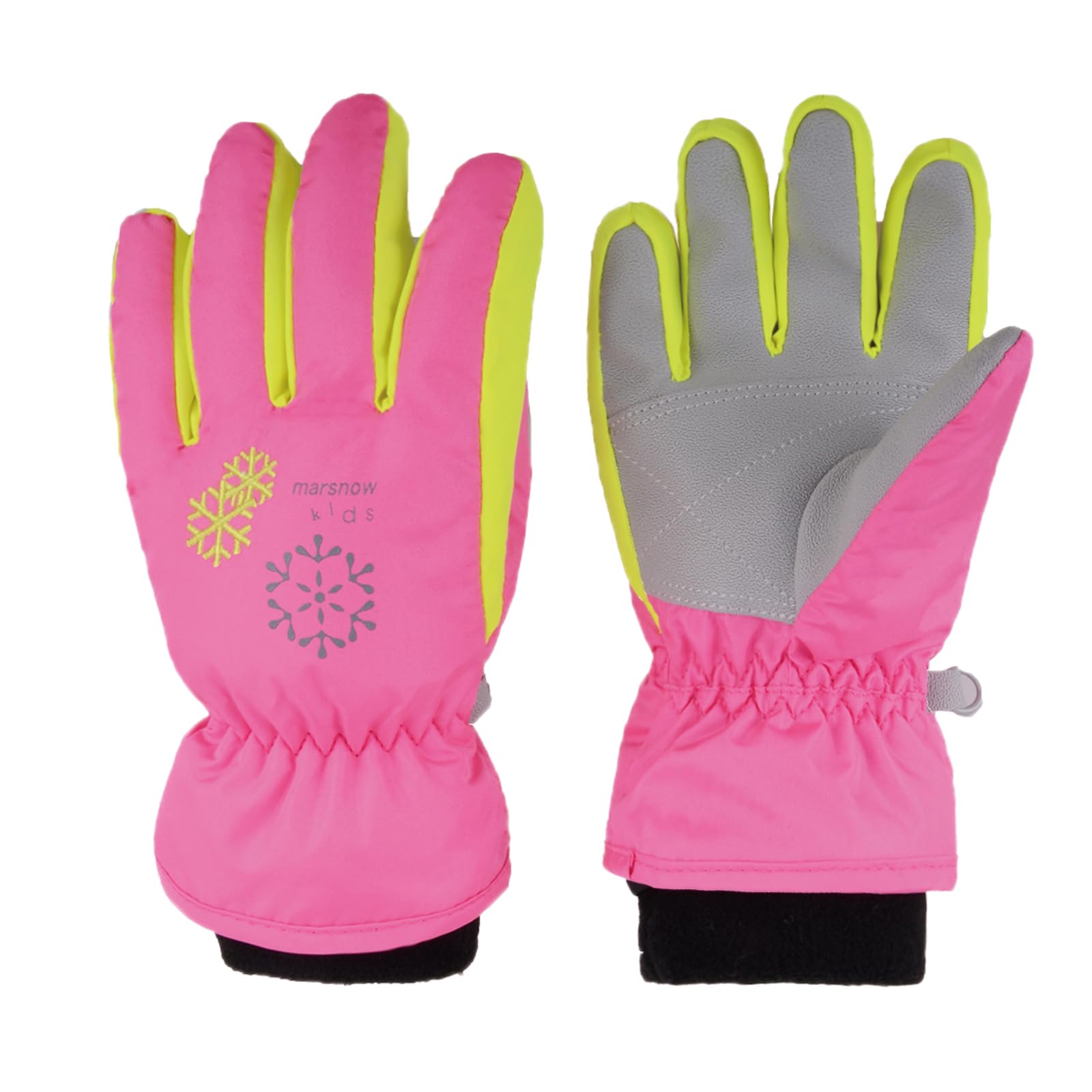
TRIWONDER Snow Mittens
Key Features
- Waterproofing Reliability: Inconsistent waterproofing
- Insulation & Warmth: Fleece
- Fit & Sizing: Runs large
- Ease of Putting On: Adjustable cuff; standard
- Mitten vs Glove: Mitten
- Price: Budget
The fleece lining provides decent warmth for the price, and the bright colors are a hit. But waterproofing is inconsistent—hands can get wet in slush—and sizing runs large, making a good fit tricky for toddlers. These mittens fill the role of an occasional backup for dry, light snow play on a budget, not for serious wet winter conditions.
Pros
- Warm fleece lining for cold, dry days.
- Kid-friendly colors that stay bright wash after wash.
Cons
- Water resistance falls short in wet snow; hands often get damp.
Worth considering if you need a budget-friendly spare pair for light, dry snow play and can size down for a better fit.
How to Choose
The most common winter-glove regret is discovering ‘waterproof’ claims vanish in wet snow, so prioritize verified water resistance over marketing labels.
Waterproofing Reliability
Labels like ‘water-resistant’ or ‘waterproof’ don’t guarantee dry hands. Look for proven consensus from large numbers of reviews: long cuffs with adjustable straps and sealed seams help keep snow out. Mittens with a waterproof membrane or a durable water repellent (DWR) coating tend to fare better, but verify real-world sentiment before relying on it for wet snowball fights.
Insulation & Warmth
Thinsulate insulation provides warmth without bulk, commonly in 100g varieties for active play. Fleece linings add softness but may not suffice in sub-freezing conditions alone. For frigid days, prioritize mittens with higher insulation weight or a combination of Thinsulate and fleece.
Fit & Sizing
Sizing is notoriously erratic in kids’ gloves — some run large for the stated age, others too small. Before buying, check if reviews recommend sizing up or down. A glove that’s too loose won’t retain heat; too tight restricts circulation and is harder to put on.
Ease of Putting On
Mittens with wide openings and soft, stretchy cuffs slide on more easily than stiff ones with tight velcro closures. For toddlers, look for gloves with long adjustable straps that loosen fully, then cinch down once the hand is inside. Avoid designs that fight you when your child is squirming.
Mitten vs Glove Design
Mittens naturally keep fingers warmer because they share body heat, and they’re simpler to put on since you don’t have to align each finger. Gloves offer better dexterity for zipping jackets, holding gear, or using touchscreens. Choose mittens for warmth and ease; gloves for active kids who need finger movement.
FAQ
Are kids’ waterproof gloves actually waterproof?
Many budget and mid-range kids gloves claim waterproofing but fail in wet snow. True waterproofing requires a membrane and taped seams, which is rare at lower price points. Always check real-world reviews to confirm a glove can handle slushy play, and consider a mitten with long adjustable cuffs to block snow entry.
How do I get my toddler to keep mittens on?
Long cuffs with adjustable straps that tighten above the wrist or over a jacket sleeve can stop a toddler from pulling mittens off. Mittens with a soft fleece lining are more comfortable, reducing the urge to remove them. Also choose bright, fun prints to make wearing them more appealing.
What’s the difference between Thinsulate and fleece-lined gloves?
Thinsulate is a synthetic microfiber insulation that provides high warmth without bulk, often measured in grams per square meter (e.g., 100g). Fleece lining adds softness and some warmth but primarily wicks moisture. For cold snow days, Thinsulate-insulated mittens outperform plain fleece.
Can kids use touchscreen gloves in the snow?
Yes, but only in dry snow. Most touchscreen gloves have conductive fingertips that work on screens, but they aren’t reliably waterproof, so wet snow can soak through and disable the touch function. In truly wet conditions, a waterproof mitten without touchscreen is safer.
How do I put mittens on a wiggly toddler when the cuff is tight?
Open the adjustable strap fully before sliding the hand in, then guide the thumb into its pocket first. Loosely folding the cuff back can widen the opening. If it’s a persistent struggle, look for mittens with a wider, stretchy opening and a simple one-velcro strap rather than a stiff cuff.