This post contains affiliate links. We may earn a small commission when you buy through our links — at no extra cost to you.
Many parents on the driveway that first week hear the rattle of loose training wheels or the clank of a chain hitting the ground. Kids’ bikes—even from well-known brands—frequently suffer from parts that loosen quickly, making the learning process more about maintenance than miles. It’s a common frustration that can deflate a child’s early confidence.
The difference comes down to choosing a bike that balances a lightweight frame with tight construction where it counts. This guide spotlights the models that stand up to real riding, whether you’re buying a tiny balance bike for an 18-month-old or a first pedal bike for a five-year-old. It also cuts through the size charts to focus on what matters: your child’s actual leg power, because a bike that’s too heavy will sit unused in the garage no matter how shiny it looks.
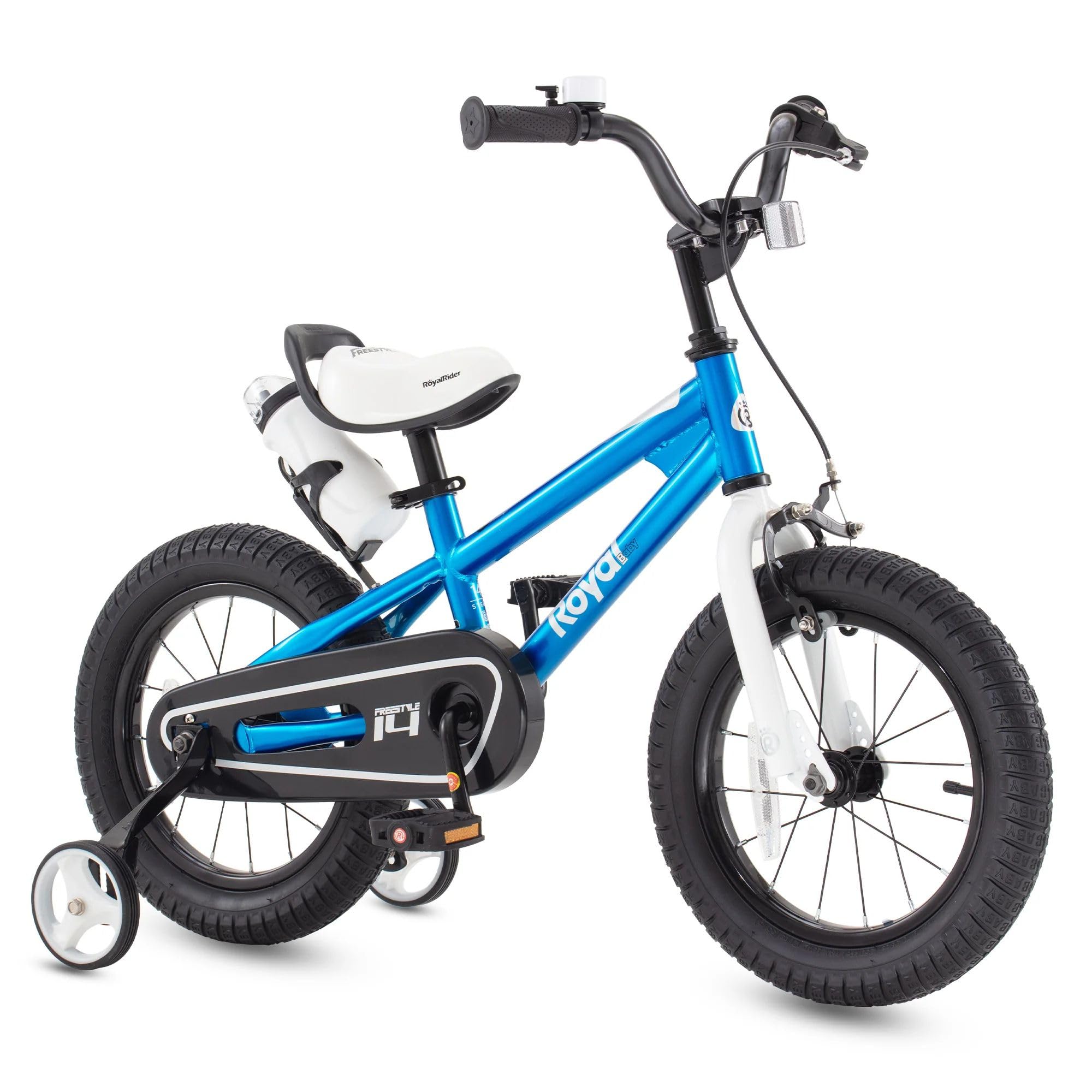

Best for Starter Pedal Riders
RoyalBaby Freestyle 16"
Unboxing to riding takes about 15 minutes because the frame, fork, and wheels come already connected. The included wrench finishes the handlebar, seat, pedals, and training wheels, so kids can pedal almost immediately. The steel build feels substantial, and the metallic paint, decals, and matching accessories give it a polished, big-kid look that siblings envy. Coaster and front caliper brakes deliver predictable stopping. After a few neighborhood sessions, the chain may loosen and pedals can develop play—a quick adjustment with the included tool resolves it for most families.
This bike is best for children with enough leg strength to handle its 25-pound frame; lighter or younger riders may struggle to get moving. That weight is the trade-off for the sturdy feel and full accessory set. It suits families who value a stylish, quick-to-build pedal bike and are comfortable spending a few minutes checking chain tension and pedal tightness after the first rides. Kids in the 4–7 age range transitioning from a balance bike will enjoy the sporty appearance and instant riding gratification, but for hesitant toddlers a lighter balance bike builds confidence first.
Pros
- Arrives 95% assembled, needing only about 15 minutes to finish
- Solid steel construction inspires confidence on neighborhood rides
- Sporty BMX styling with metallic paint, decals, and matching accessories
Cons
- Chain and pedals may loosen after early use, requiring periodic re-tightening
- At 25 pounds, significantly heavier than many 16-inch bikes, taxing smaller riders
Buy this if you want a quick-to-assemble, accessory-rich bike for a child who can pedal a 25-pound frame confidently. Skip it if a lightweight, nearly maintenance-free drivetrain is your priority or if your rider is small for their age.
Best for Toddler Balance Learners
KRIDDO Balance Bike
At 6.6 pounds, the KRIDDO balance bike is half the weight of the top pedal pick and lets toddlers as young as 18 months walk, coast, and find their balance on their own. Assembly is quick, often taking under ten minutes, and the solid foam tires never go flat — eliminating maintenance. However, these hard tires transmit bumps on uneven pavement, making the ride rougher and noisier than rubber-tired bikes. Over months of hard use, cosmetic wear like peeling stickers or a cracked seat can appear. For families with smooth sidewalks and driveways, it’s a budget-friendly, confidence-building first bike that outshines heavier options for the youngest riders.
Pros
- Easy for 18-month-olds to handle and scoot independently.
- Simple, tool-light assembly completes in minutes.
- Teaches balance and coordination effectively on smooth surfaces.
Cons
- Hard foam tires ride rough and loud on uneven sidewalks.
- Seats may crack or stickers peel after 6+ months of hard use.
Buy this if you want an ultralight balance bike for a toddler on smooth pavement that’s ready to ride out of the box. Skip it if you need a bike for rough terrain or a child ready to pedal.
How to Choose
The most important factor in a child’s ability to enjoy riding is the bike’s weight relative to their strength, not just the wheel size printed on the chart.
Wheel Size
Wheel size gives a rough age guide (12-inch for ages 2–4, 16-inch for 4–7, 20-inch for 6–10), but it’s just a starting point. Prioritize stand-over clearance and how easily your child can reach the ground. A bike that’s too large is intimidating, even if the wheel size matches their age.
Bike Weight
A heavy steel bike can weigh over 25 pounds—more than half a small child’s body weight—making pedaling exhausting. Look for lighter aluminum frames if your child is slight or timid; otherwise, ensure they can comfortably push the bike while seated. Actual weight matters more than wheel diameter.
Brake Type
Coaster brakes (pedal backward to stop) are intuitive for young riders but limit control. Hand brakes add stopping power but require hand strength. Many pedal bikes combine both; check that the hand brake lever is adjustable and within easy reach so children can learn proper braking technique.
Training Wheel Stability
Wobbly training wheels turn first rides into falling lessons. Look for wide-set, sturdy brackets that bolt firmly to the frame. After unboxing, tighten all axle nuts with a wrench—never rely on factory hand-tightening. Sliding training wheels are a recurring issue that requires a permanent fix, not a quick twist.
Drivetrain Durability
Chains that fall off and pedals that loosen after a few rides are common due to insufficient factory torque. Check chain tension regularly—half an inch of play is ideal—and use thread-locking compound on pedal threads during assembly. If the rear wheel can shift in the frame, chain retention will be a constant problem.
FAQ
Why does the chain keep falling off my child’s bike?
Chain drop usually results from a loose rear wheel or insufficient tension. Tighten the rear axle nuts firmly and ensure the chain has about half an inch of play. If the problem persists, a bike shop can add a chain tensioner, but on some budget models it’s a recurring design issue that can’t be fully resolved.
How do I stop training wheels from sliding?
Training wheels slide because the axle nuts weren’t tightened enough or the bracket design is poor. Use a wrench to cinch the nuts against the frame, not just hand-tight. Adding a lock washer or a second jam nut behind each training wheel arm can prevent them from rotating out of position during rides.
What is a good lightweight bike for a 5-year-old?
Our top-rated pedal bike weighs 25 pounds, which suits enthusiastic, stronger children. For lighter or more cautious 5-year-olds, an aluminum-frame bike around 18 pounds is a better match. Always look up a bike’s actual weight rather than relying on wheel-size charts alone.
Are Schwinn kids’ bikes still good quality?
Current Schwinn kids’ bikes have widespread brake and wheel failures that make them unsafe for everyday riding. Across multiple models, owners report brake calipers cracking and front wheels wobbling. Given these persistent issues, we couldn’t recommend any Schwinn kids’ bike in this year’s assessment.