This post contains affiliate links. We may earn a small commission when you buy through our links — at no extra cost to you.
Choosing a prenatal vitamin often means deciding between a gummy that tastes great but lacks iron and a tablet that covers all the nutrients but feels like a chore to swallow. Many expectant mothers discover this trade-off only after buying—ending up with a bottle that doesn’t fit their morning sickness or their pill-taking tolerance. This guide breaks down the five key specs that actually matter: form, folate type, iron inclusion, DHA availability, and daily dosing frequency. Instead of hunting for a single "perfect" prenatal, you’ll learn which combination of these factors matches your specific pregnancy stage and lifestyle. No single option works for everyone, but the right fit makes consistent daily intake much easier.


Best for First-Time Users
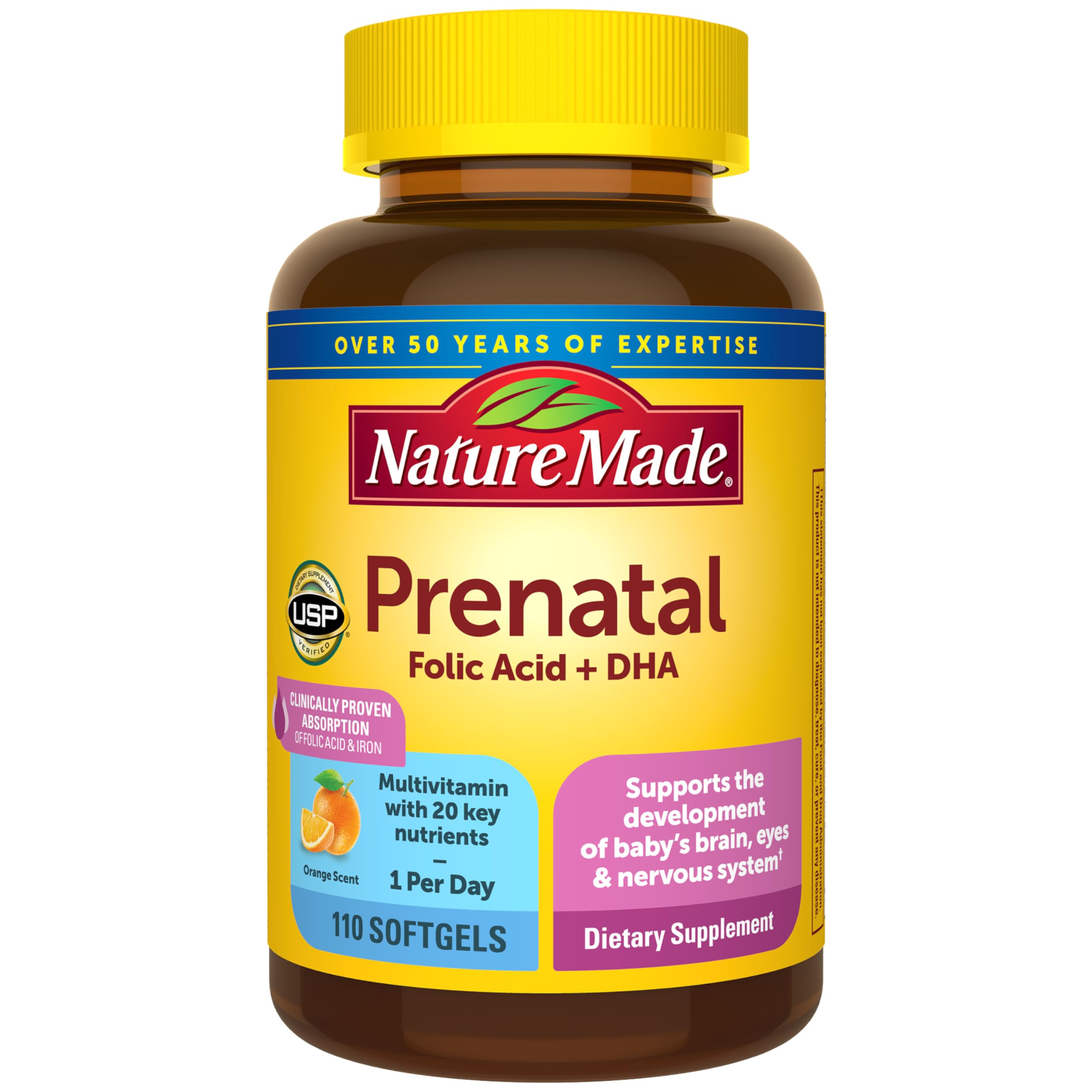
Nature Made Prenatal + DHA
Key Features
- Form: Softgel
- Folate Type: Folic acid
- Iron: Yes
- Daily Dose: 1 softgel
- Price: Mid-Range
Over 25,000 reviews at 4.7 stars and USP certification make this the least-risky choice in the category. The single softgel delivers 200 mg DHA plus iron and B vitamins without the nausea many other brands cause — most users report taking it on an empty stomach with no issues. The trade-off: the softgels are larger than average, so those who struggle with pills should plan to take them with food.
Best for first-time prenatal buyers who want a complete supplement (DHA + iron) at a mid-range price without hunting for separate bottles. It uses folic acid rather than methylfolate, so it won’t suit women with MTHFR mutations who need that specific form. Also skip it if you require a gummy or a pill that’s notably small — this one requires a willingness to swallow a full-size softgel daily.
Pros
- Highest review count and proven popularity.
- USP verified for quality and potency.
- Gentle on stomach for most users.
Cons
- Pills are large and can be hard to swallow.
- Uses folic acid, not methylfolate.
Buy this if you want a trusted, one-pill prenatal with DHA and iron at a fair price and don’t mind a full-size softgel. Skip it if you need methylfolate or have trouble swallowing larger capsules.
Best for Budget Shoppers
Amazon Basics Prenatal
Key Features
- Form: Gummy
- Folate Type: Folic acid
- Iron: No
- Daily Dose: 2 gummies
- Price: Budget
This Amazon Basics gummy costs significantly less than most prenatals and includes DHA for brain development, with a raspberry-lemon flavor reviewers enjoy. However, the two-gummy serving provides only 360 mcg folic acid (below the 400–800 mcg recommended) and 70 mg DHA, plus no iron — a common gummy limitation. It works well as a backup or for those already meeting higher nutrient needs through diet or additional supplements, but shouldn’t be a primary prenatal for comprehensive nutrition.
Pros
- Lowest-priced gummy with DHA in the prenatal category
- Pleasant raspberry-lemon taste and easy-to-chew texture
- Gentle on the stomach for sensitive digestion
Cons
- Lower folic acid (360 mcg) and DHA (70 mg) than recommended daily intakes
- No iron, requiring a separate supplement for those needing it
Buy this if you’re on a tight budget and already get enough folic acid, DHA, and iron from diet or other supplements. Skip it if you need a complete prenatal with higher nutrient levels and iron.
Best for Health-Conscious Moms
Garden of Life Organics
Key Features
- Form: Tablet
- Folate Type: Methylfolate
- Iron: Yes
- Daily Dose: 1 tablet
- Price: Mid-Range
Unlike the raw three-pill option in this lineup, Garden of Life packs organic, whole-food nutrients into a once-daily tablet, including methylfolate sourced from lemon peel instead of synthetic folic acid. User reports highlight sustained energy and less nausea compared to synthetic alternatives. However, the natural ingredients produce a distinct taste and smell that some find unpleasant, and the tablet is on the larger side — two trade-offs that come with the clean-label commitment.
Pros
- USDA Organic and Non-GMO verified ingredients throughout.
- Once-daily dose with methylfolate, not synthetic folic acid.
- Many users report fewer stomach issues and steady energy.
Cons
- Natural taste and smell can be off-putting for some users.
- Tablet size is larger than average, making swallowing a challenge.
Buy this if you want a daily organic prenatal with methylfolate and vegan certification. Skip it if you’re sensitive to strong natural flavors or need smaller pills.
Best for Morning Sickness
New Chapter Prenatal
Key Features
- Form: Tablet
- Folate Type: Methylfolate
- Iron: Yes
- Daily Dose: 3 tablets
- Price: Mid-Range
New Chapter sets itself apart with organic ginger and methylfolate, allowing most users to take these tablets on an empty stomach without nausea. The fermented iron is also notably gentle, making this a strong option for women who struggle with morning sickness or have sensitive digestion. However, the three‑tablet daily dose is less convenient than a single caplet, and the tablets are moderately sized—some find them large to swallow. Best suited for those prioritizing stomach comfort and clean, organic ingredients over simplicity.
Pros
- Reduces morning sickness with clinically‑backed ginger.
- Gentle on the stomach using methylfolate and fermented iron.
- Made from organic vegetables and herbs with a whole‑food base.
Cons
- Requires three tablets per day, less convenient than once‑daily options.
- Pills are large; some users may find them difficult to swallow.
Buy this if morning sickness is a concern and you want organic ingredients with a gentle formula. Skip it if you prefer a one‑tablet‑a‑day routine or have trouble swallowing larger pills.
Best for Brain Development
MegaFood Baby & Me 2
Key Features
- Form: Tablet
- Folate Type: Methylfolate
- Iron: Yes
- Daily Dose: 2 tablets
- Price: Premium
Baby & Me 2 delivers 2.5 times more choline than typical prenatals (150 mg per two-tablet dose), a key nutrient for fetal brain development that most competitors lack in meaningful amounts. It also provides methylfolate and whole-food ingredients like orange and carrot, which many users report being gentle on the stomach. However, the tablets are notably large with a strong, unpleasant taste, and the premium price reflects the specialized nutrient profile. Best for moms who prioritize choline and are willing to tolerate the size and cost.
Pros
- Highest choline content among prenatal vitamins (150 mg per dose)
- Gentle on stomach, often tolerated on empty stomach
- Whole food-based with 23 nutrients plus real food
Cons
- Very large pills with a strong, unpleasant taste
- Premium price point limits accessibility
Buy this if choline supplementation is your top priority during pregnancy and you can manage large pills. Skip it if you are on a tight budget or sensitive to pill size and taste.
Best for Ob/gyn Choice
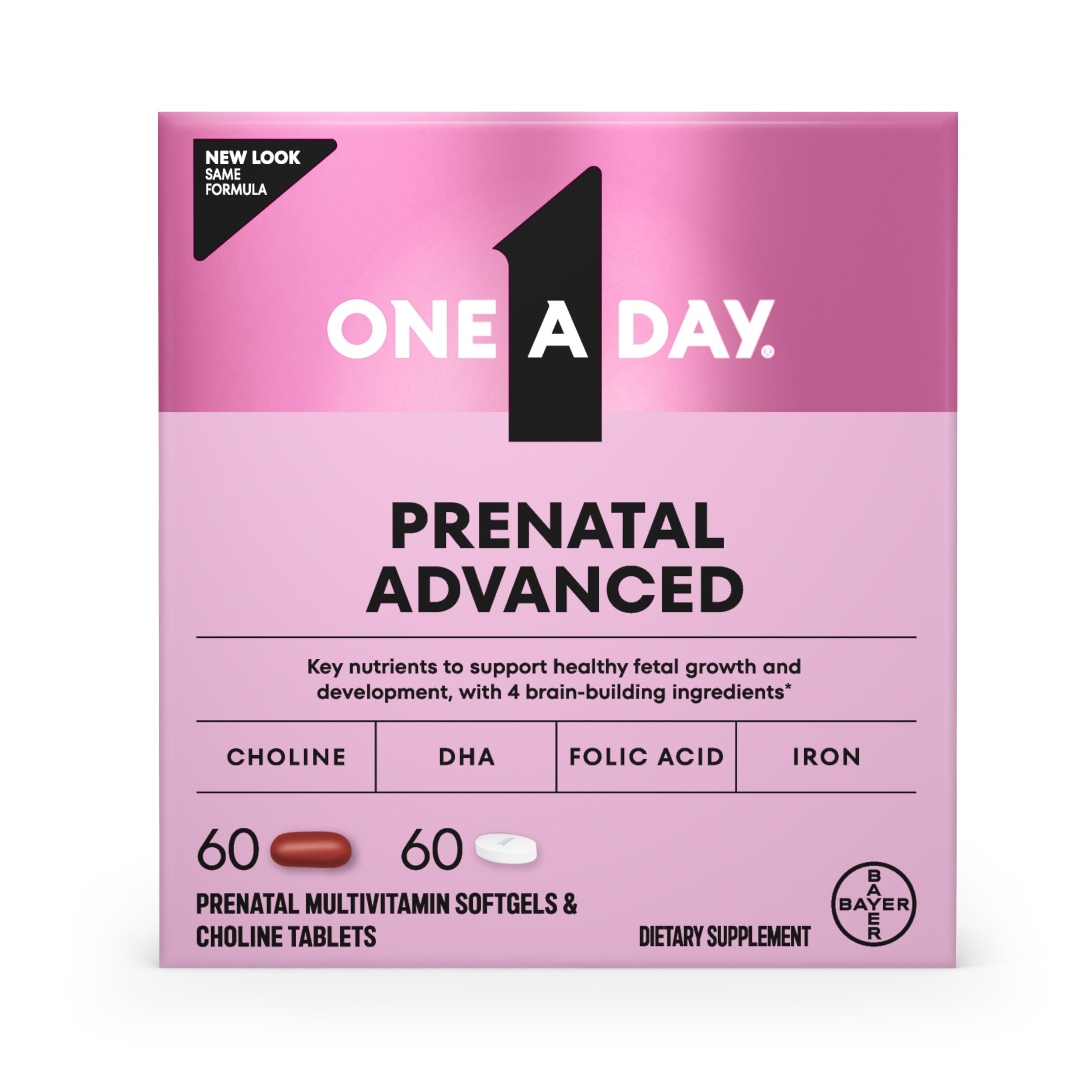
One A Day Prenatal Advanced
Key Features
- Form: Softgel + Tablet
- Folate Type: Folic acid
- Iron: Yes
- Daily Dose: 2 pills
- Price: Mid-Range
One A Day Prenatal Advanced is the #1 choice among OB/GYNs for their own pregnancies, combining choline and DHA in separate pills for targeted brain support. The formula includes iron and folic acid in a two-pill system designed to be gentle on the stomach; many users report no nausea. However, the softgels can develop a fishy smell if exposed to heat, and the two-pill daily requirement may be less convenient for those accustomed to one-and-done supplements. This option suits women who prioritize a doctor-backed brand and want built-in choline without sacrificing DHA.
Pros
- OB/GYN recommended with choline for fetal brain development.
- Separate DHA softgel and iron tablet for targeted absorption.
- Gentle on the stomach, with many users reporting no nausea.
Cons
- Softgels may develop fishy odor when exposed to heat during shipping or storage.
- Two pills per day instead of one can be less convenient.
Buy this if you want a doctor-recommended prenatal with choline and are comfortable with a two-pill routine. Skip it if you prefer a single daily pill or live in a hot climate without climate-controlled storage.
Best for Picky Eaters
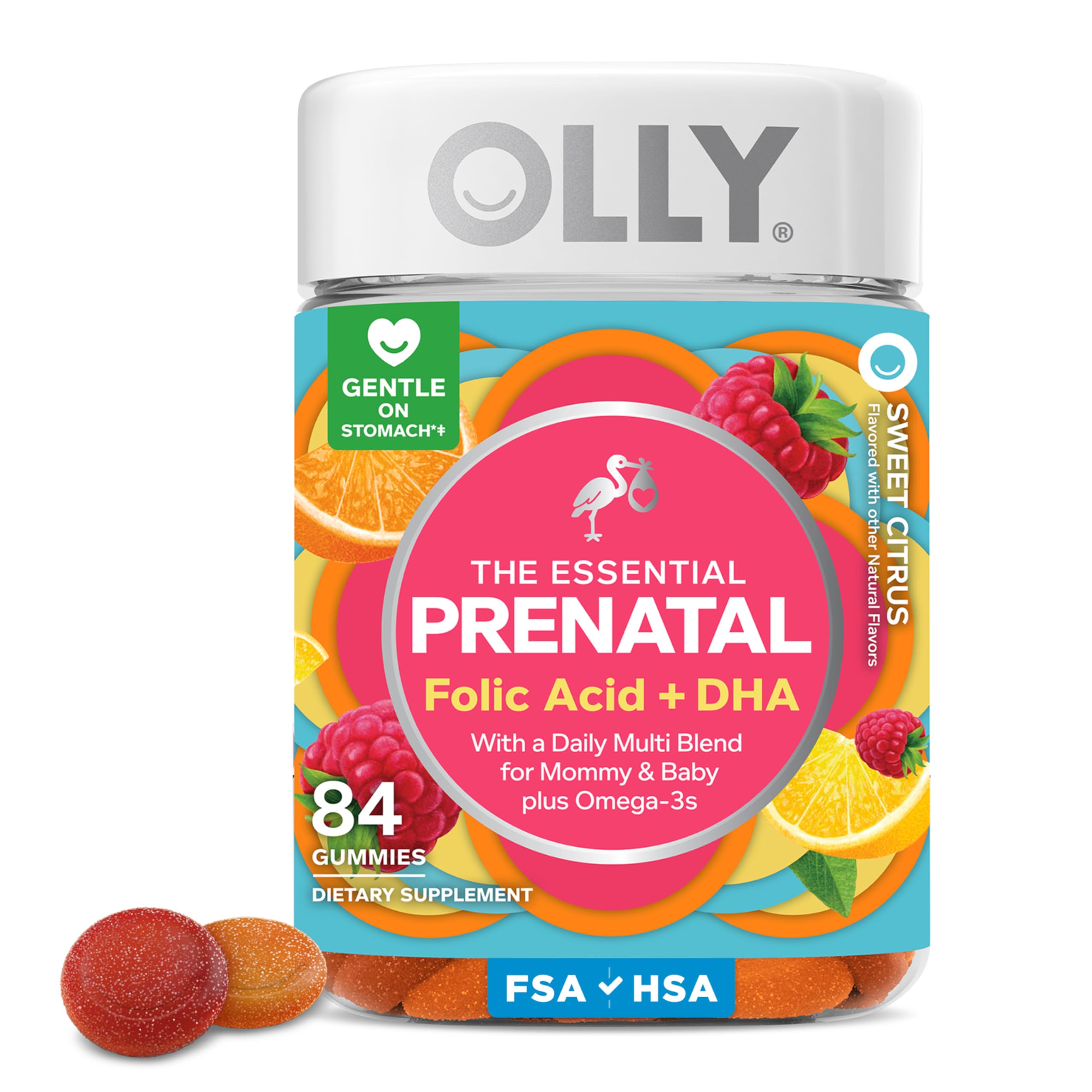
OLLY Prenatal Gummy
Key Features
- Form: Gummy
- Folate Type: Folic acid
- Iron: No
- Daily Dose: 2 gummies
- Price: Budget
OLLY’s prenatal gummy wins on flavor and stomach-friendliness, making it a go-to for those with morning sickness who can’t stomach pills. It includes DHA from fish oil, so vegans should skip. The trade-off: no iron and added sugar, which means it’s less complete than the top pick — best for gummy lovers who already get iron from their diet.
Pros
- Excellent taste makes daily intake easy
- Gentle on stomach, no nausea
Cons
- No iron – requires separate supplement for iron needs
Worth considering if you’re a gummy lover with morning sickness who already gets enough iron from your diet.
Best for Budget Shoppers
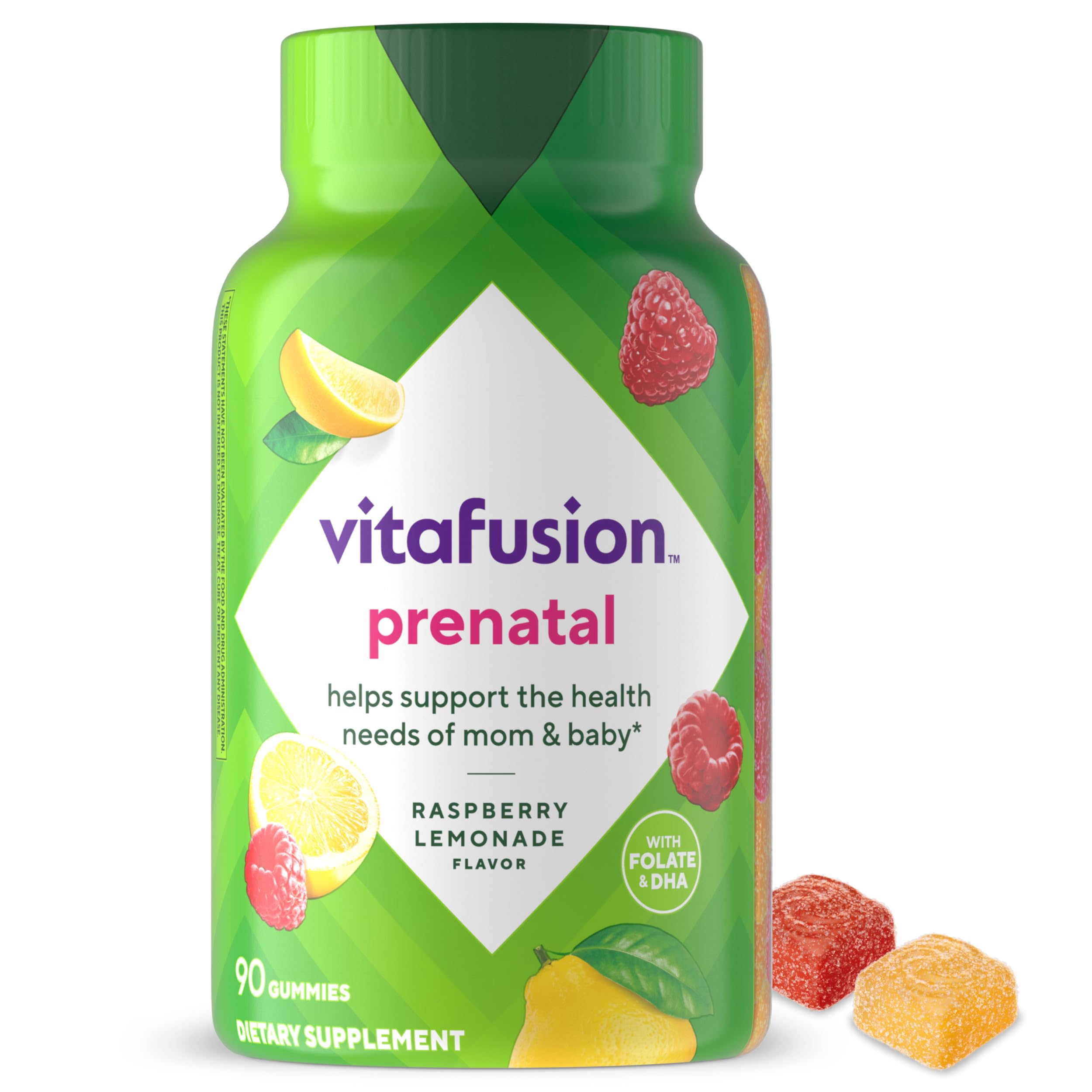
Vitafusion Prenatal Gummy
Key Features
- Form: Gummy
- Folate Type: Folic acid
- Iron: No
- Daily Dose: 2 gummies
- Price: Budget
This gummy delivers a pleasant raspberry lemonade flavor and is easy on the stomach at a low cost. However, it lacks iron and has lower folate per serving, and melting during shipping is a known issue — these reliability and nutrient gaps keep it from being a top recommendation.
Pros
- Delicious raspberry lemonade flavor that makes daily intake enjoyable.
- Gentle on the stomach, reducing nausea common with other prenatals.
Cons
- Gummies often arrive melted or clumped due to heat during shipping.
Worth considering if you prioritize taste and budget over complete nutrient profile and reliable delivery.
Best for Dha Separate
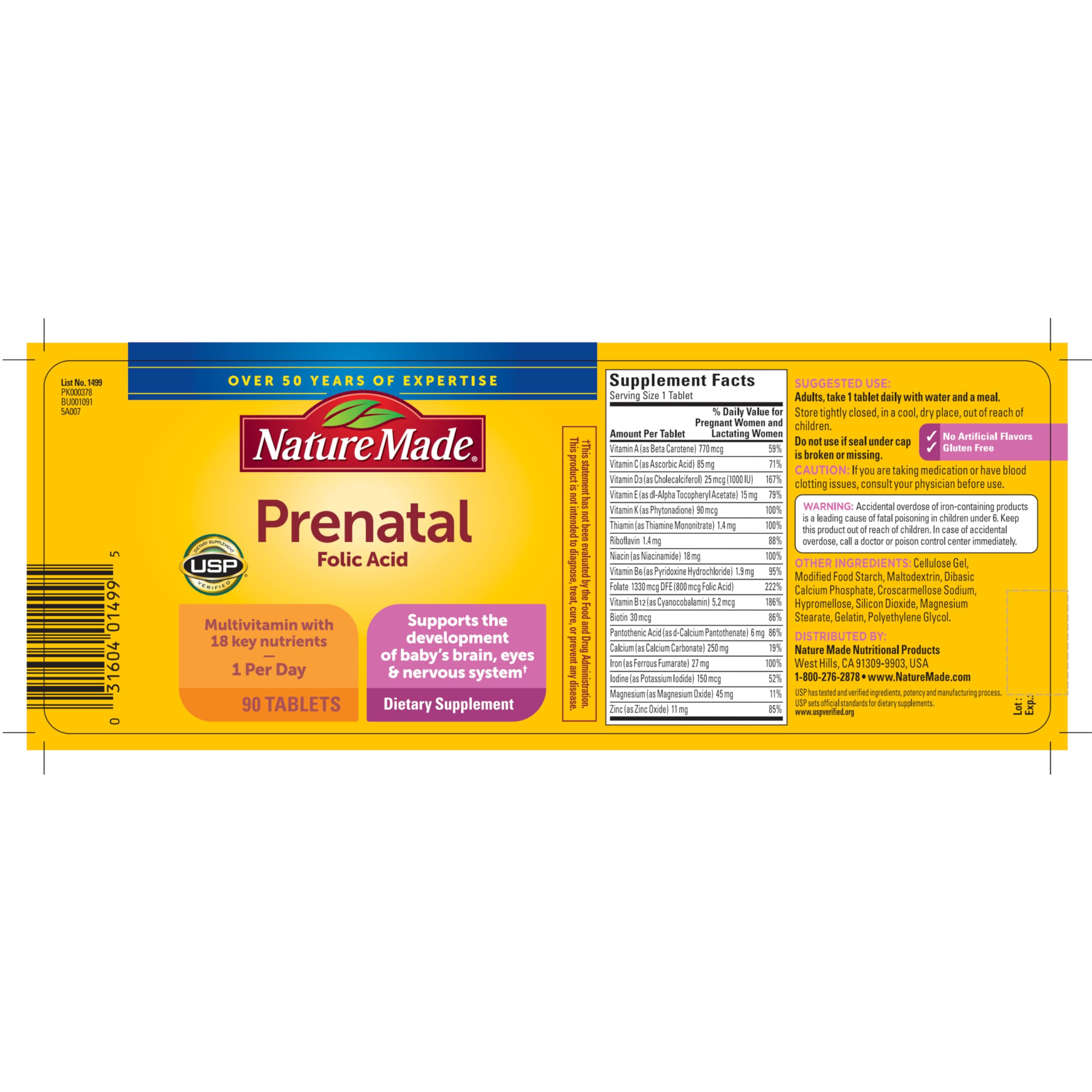
Nature Made Tablet
Key Features
- Form: Tablet
- Folate Type: Folic acid
- Iron: Yes
- Daily Dose: 1 tablet
- Price: Budget
Low-cost USP-verified tablet providing folic acid and iron in an easy-to-swallow form. No DHA means a separate omega-3 is needed; some users report nausea. The softgel version adds DHA at a similar price point, making this best for those already taking omega-3s separately.
Pros
- Low cost and great value from a trusted brand.
- USP verified quality with high user satisfaction.
Cons
- No DHA – requires separate omega-3; some users experience nausea.
Worth considering if you already have a DHA source and want a budget-friendly USP-verified tablet.
Best for Health Maximalists
Garden of Life Raw Prenatal

Key Features
- Form: Capsule
- Folate Type: Methylfolate
- Iron: Yes
- Daily Dose: 3 capsules
- Price: Premium
This prenatal delivers raw living nutrients with probiotics and enzymes for better absorption, along with methylfolate and iron that’s gentle on the stomach. However, the strong odor and taste are unpleasant for many, and the three-capsule daily dose adds inconvenience, keeping it from being a top pick for most users.
Pros
- Raw whole-food ingredients with live probiotics and enzymes for enhanced nutrient absorption.
- Methylfolate and non-constipating iron support digestion and reduce nausea.
Cons
- Strong unpleasant odor and taste, plus three-capsule daily dosing.
Worth considering if you want raw, whole-food nutrients with probiotics and can tolerate strong taste and a three-pill daily regimen.
Best for Probiotic Fans
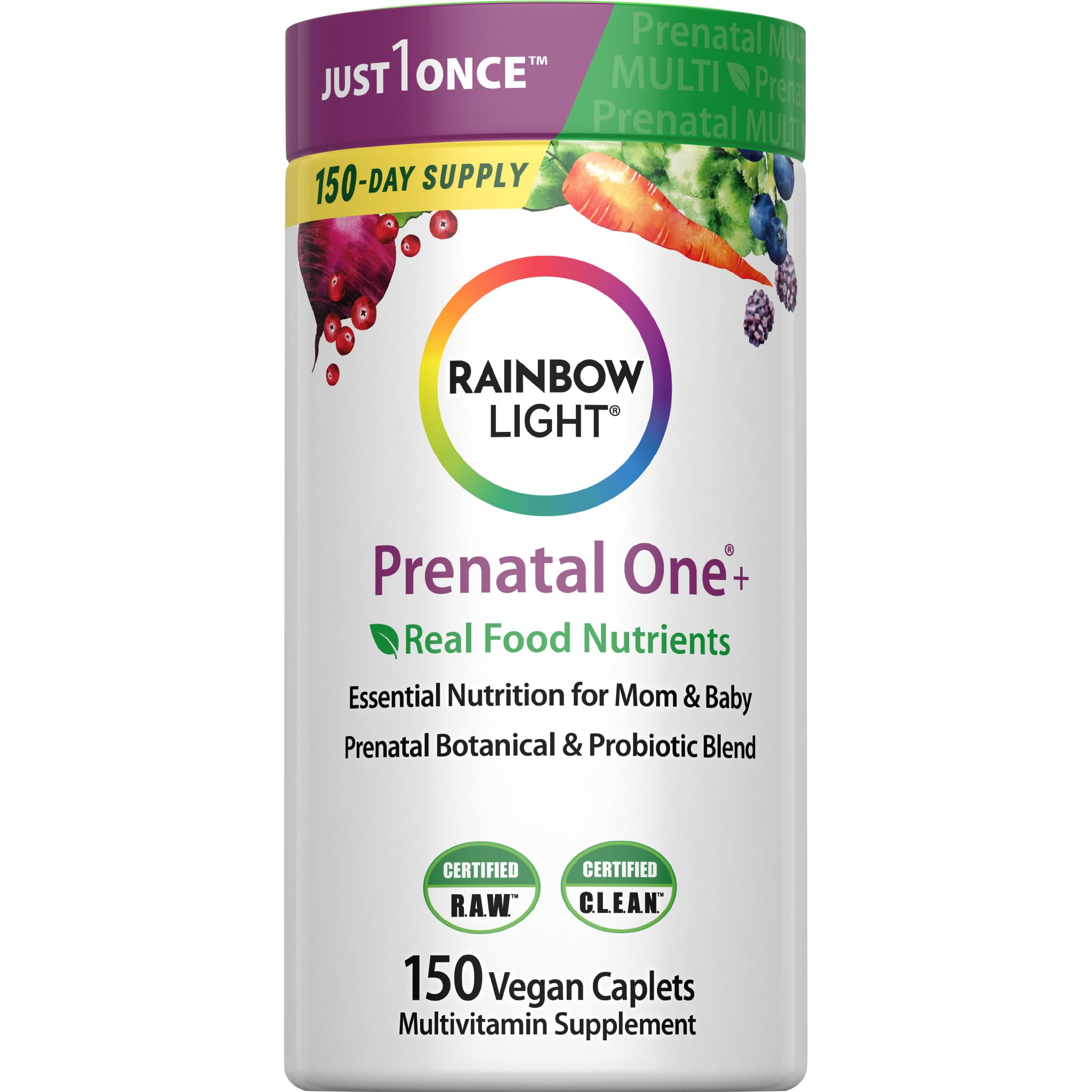
Rainbow Light One +
Key Features
- Form: Caplet
- Folate Type: Folic acid
- Iron: Yes
- Daily Dose: 1 caplet
- Price: Mid-Range
Rainbow Light One+ packs comprehensive nutrients, probiotics, and ginger into a single daily caplet. It offers good value for those wanting iron and digestive support in one pill. However, the large size and metallic aftertaste are frequently cited drawbacks, preventing it from being a top pick for users sensitive to pill dimensions or flavor.
Pros
- Single daily caplet covers key nutrients including iron and probiotics.
- Probiotics and ginger support digestion and soothe nausea.
Cons
- Large caplet size and metallic aftertaste are common complaints.
Worth considering if you want a single daily prenatal with probiotics and don’t mind large caplets or a metallic aftertaste.
How to Choose
The most important factor when choosing a prenatal vitamin is ensuring it contains adequate iron, as many gummy formulas omit it entirely.
Form: Gummy vs Tablet vs Softgel
Gummies are easy to chew and gentle on the stomach, but they rarely include iron and often have lower nutrient doses. Tablets and softgels can deliver a full nutrient profile but may be larger and cause nausea for some. If you have trouble swallowing pills, a gummy or a small softgel is a better fit—just be prepared to supplement iron separately.
Folate Type: Folic Acid vs Methylfolate
Folic acid is the standard form found in most prenatals and is sufficient for the vast majority of women. Methylfolate is a more bioavailable form that can be taken directly without conversion, which matters for the 30–40% of people with an MTHFR genetic variant. If you know you have this variant, look for methylfolate on the label; otherwise, folic acid works fine.
DHA Content
DHA supports fetal brain and eye development, and most health organizations recommend 200–300 mg per day during pregnancy. Not all prenatals contain DHA—some require a separate fish oil or algae oil supplement. Check the label: if DHA is absent, you’ll need to add it through a standalone omega-3 product.
Iron Inclusion and Form
Iron prevents anemia, which is common during pregnancy, but it can cause constipation or nausea. Many gummies omit iron entirely, while tablet formulas often include 27 mg of ferrous fumarate or a fermented form that’s gentler. If your diet is rich in iron (red meat, leafy greens) and your blood levels are fine, a no-iron gummy may work; otherwise, prioritize a prenatal with iron.
Daily Dose Size
A once-daily pill seems ideal, but those with smaller pills often lack certain nutrients. Some prenatals require two or three pills per day to deliver adequate levels of everything. Consider your daily routine: if you’re likely to forget multiple doses, a single-daily option (or a two-pill system with a reminder) is more reliable.
FAQ
Do prenatal gummies have enough folic acid?
Most gummies provide 400–800 mcg of folic acid, which meets the standard recommendation for pregnancy. However, some budget gummies like Amazon Basics contain only 360 mcg per serving (two gummies), which is below the typical 400 mcg minimum. Check the label for exact amounts—if you’re at higher risk for neural tube defects, a tablet with 800 mcg is a safer choice.
Why do my prenatal vitamins smell fishy?
Fishy odor usually comes from the DHA softgel capsule, especially if exposed to heat during shipping or storage. Brands like One A Day and Nature Made are prone to this issue. To avoid it, buy from a retailer with climate-controlled storage and store the bottle in a cool, dark place. If the smell is strong, the oils may have oxidized—return the product.
Can I take prenatal vitamins on an empty stomach?
It depends on the formula. Prenatals with iron can cause nausea on an empty stomach, so they’re best taken with food. New Chapter’s ginger-infused tablets are specifically designed to be tolerated without food, while most other tablets require a meal to buffer the stomach. Gummies rarely cause issues on an empty stomach because they lack iron. If you have morning sickness, a gummy or a ginger-containing prenatal is the safer bet.
What’s the difference between folic acid and methylfolate in prenatal vitamins?
Folic acid is a synthetic form of folate that needs to be converted by the liver into its active form. Methylfolate is already active and can be used directly by the body. For women with an MTHFR mutation (up to 40% of the population), folic acid conversion is less efficient, so methylfolate is preferred. For everyone else, folic acid works perfectly well and is much more common in affordable prenatals.