This post contains affiliate links. We may earn a small commission when you buy through our links — at no extra cost to you.
Outlet covers force a choice between two competing needs: keeping tiny fingers out and letting adults use outlets without a fight. Too many families end up with covers that require a screwdriver to remove or that a determined toddler can pop off in seconds. The category’s core insight is that tightness works differently across outlet ages and daily habits—what feels impossibly secure in a new home may slip in an older one. Ignoring this mismatch leads to frustration or, worse, a prong snapping off inside the outlet.
This guide sorts the options not by brand but by how they handle that trade-off. You’ll find plug-in covers ranked by removal difficulty, so you can pick the level of inconvenience you’re willing to accept. We also highlight the in-use box cover, a completely different animal that encloses the plug and cord when an outlet must stay powered. Every recommendation is tied to a real scenario—whether you need to child-proof a few key spots, an entire home, or the nursery monitor that never gets unplugged.
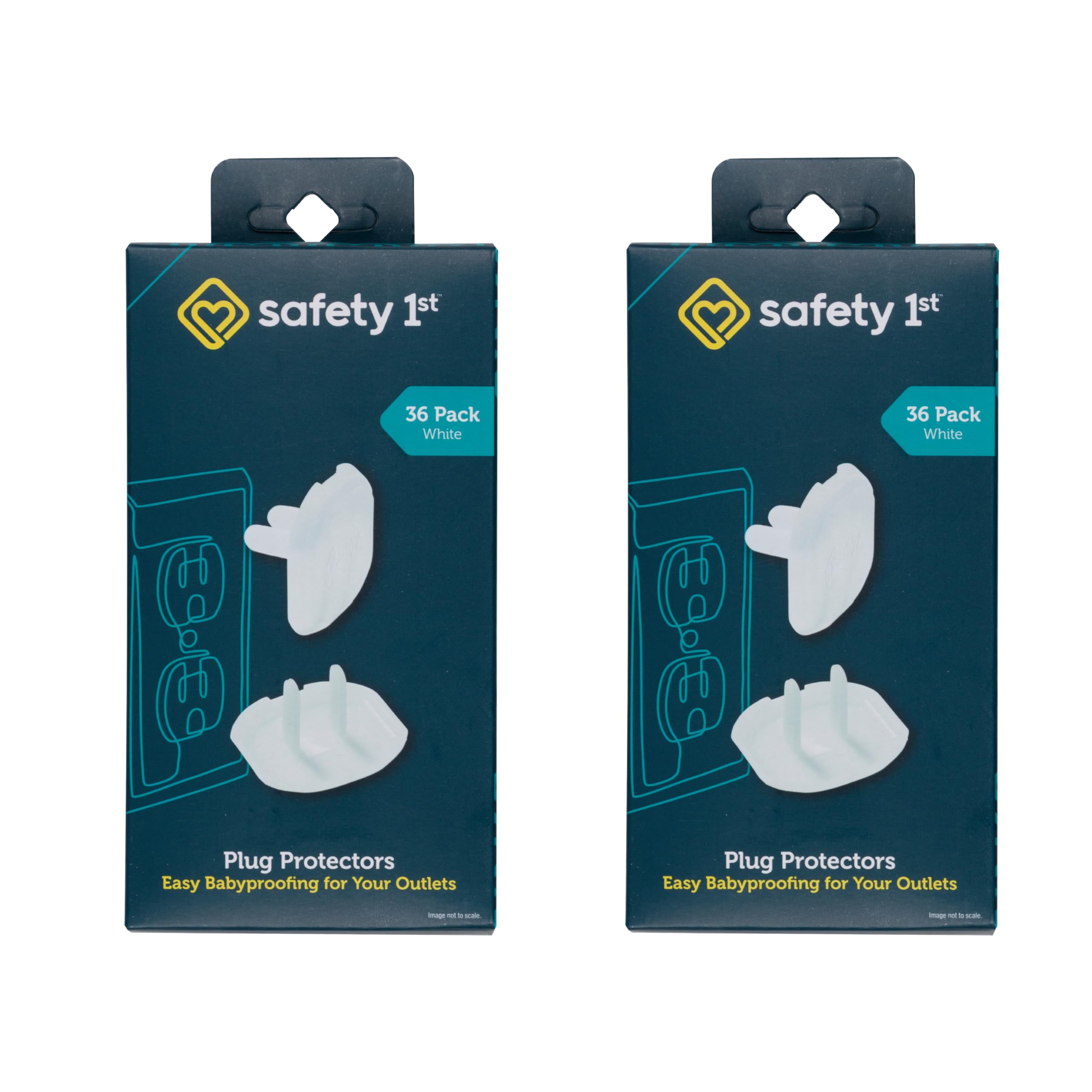
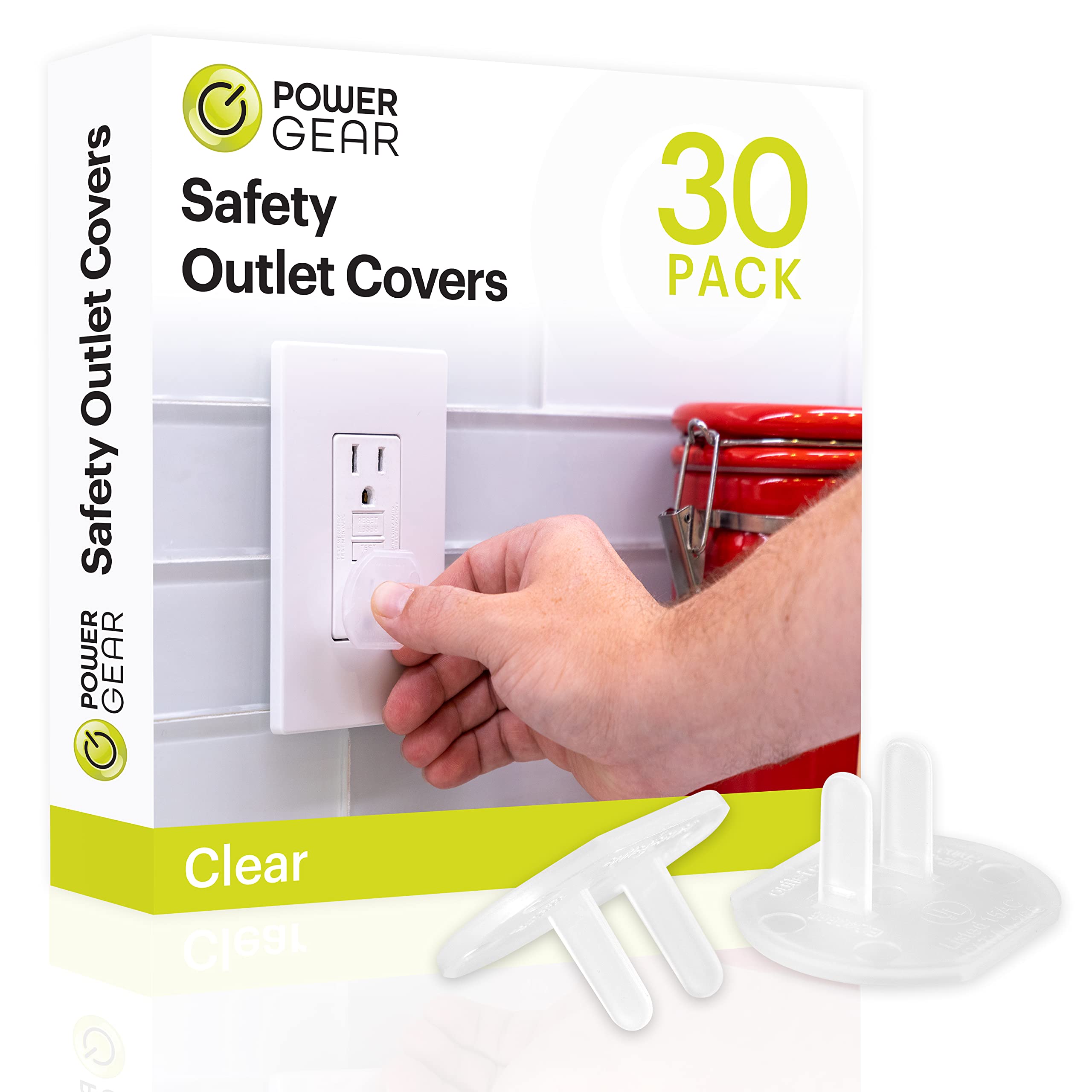


Best for Small Starter Pack
Power Gear 30-Pack
Key Features
- Pack Size: 30
- Type: Plug-in
- Color / Transparency: Clear
- Price: $
The Power Gear 30-Pack delivers UL-listed clear covers that disappear into outlets, giving you low-cost child-proofing for the rooms that matter most. Unlike bulk packs that cover every outlet in a large home, this set is sized for essential spots—a nursery side table, living room, or guest bedroom. The push-in design installs in seconds without tools. Be prepared, though: the tight friction fit can make adult removal a struggle, and in older, looser outlets, a determined toddler might wiggle one free. Renters and grandparents who only need a few unobtrusive plugs will find the value hard to beat.
Pros
- Budget-friendly 30-pack with UL certification for essential rooms.
- Clear low-profile design blends into outlets and walls.
- Tool-free push-in installation in seconds.
Cons
- Tight fit can challenge adults; some toddlers pull them from older outlets.
- 30 covers only sufficient for a few rooms, not whole-home coverage.
Buy this if you need an affordable clear starter pack for a few high-use rooms. Skip it if you want whole-home coverage or covers that are easy for adults to remove.
Best for Maximum Childproofing
Wappa White 50-Pack
Key Features
- Pack Size: 50
- Type: Plug-in
- Color / Transparency: White
- Price: $$
Where the top pick delivers whole-home coverage with similar tightness, the Wappa 50-pack leans all the way into being nearly adult-proof. The push-in covers lock into outlets with a grip that defies toddlers’ prying fingers — and, intentionally, most bare-handed attempts by adults. That extreme tightness means removal almost always needs a flathead screwdriver, so these are best reserved for outlets that stay covered permanently, like behind heavy furniture or in low-traffic corners. For parents who want the highest friction-fit barrier for rarely touched outlets, this is a deliberate trade-off that makes sense. Families who need to unplug and re-plug regularly will find the process frustrating.
Pros
- Securely child-proofs outlets, even against persistent toddlers.
- High-quality, sturdy plastic construction that holds its shape.
- Great value with 50 covers at a cost-effective price.
Cons
- Extremely tight fit makes removal a struggle; a screwdriver is often necessary.
Buy this if you need absolute toddler-proofing for outlets you rarely use and don’t mind using a screwdriver to remove them. Skip it if you need quick access to the same outlets.
Best for Locking Mechanism
Babepai 38-Pack
Key Features
- Pack Size: 38
- Type: Plug-in
- Color / Transparency: White
- Price: $
Compared to ultra-tight friction covers like the top pick, the Babepai’s locking handle offers a more adult-friendly removal process—without completely sacrificing child-proofing. The two-step push-button release confuses most toddlers, yet it’s easier to remove than prying with a tool. However, the tab can snap after repeated use, and some outlets still demand a prying tool if the lock sticks. This makes the pack best for parents installing covers in rarely-used outlets where child access is the priority, not daily removal. Accept the potential for broken tabs as the price of a budget-friendly mechanical lock.
Pros
- Easy snap-in installation with a handle that gives adults a clear grip for removal.
- Mechanical push-button release adds a layer of child-proofing that standard friction covers lack.
- 38 covers provide whole-room coverage at a budget-friendly price.
Cons
- The locking tab can snap if forced, especially after repeated removals.
- Fit varies; some outlets grip too tightly, while others may feel loose.
Buy this if you want a mechanical locking mechanism for rarely-used outlets and can accept occasional tab breakage. Skip it if you need tool-free, frequent access to your outlets.
Best for In-Use Outlets
Safety Innovations Box
Standard plug covers only fill unused outlets. This box takes a different approach: it surrounds the entire plug and connected cord, letting you use the outlet while keeping it child-proof. Parents often have one outlet that powers the baby monitor or nightlight—this box solves that exposed vulnerability. Unlike the top pick’s bulk pack of friction-fit covers for unused sockets, this is a bulkier, single-outlet solution that won’t sit flush behind furniture. Large power bricks or sideways plugs may not fit inside, and opening requires pressing two side buttons simultaneously, a struggle for caregivers with limited dexterity. The payoff is peace of mind for grandparents setting up a guest nursery or anyone who can’t unplug a critical device.
Pros
- Screw-in installation fits standard and Decora outlets in minutes.
- Encloses cords and plugs so toddlers cannot access or unplug them.
- Sturdy plastic construction stays securely mounted once installed.
Cons
- Bulky design won’t fit behind furniture; some large power bricks may not fit inside.
- Dual-button latch requires two hands and can be difficult for those with limited dexterity.
Buy this if you need to child-proof an outlet that powers a monitor, lamp, or charger and cannot be left unused. Skip it if you need a slim cover for empty outlets or have tight spaces behind furniture.
How to Choose
The biggest decision with outlet covers is how much adult inconvenience you’ll accept in exchange for toddler-proof security.
Pack Size: How Many Covers Do You Really Need?
Count all the outlets a child can access. A 72-pack may be overkill for an apartment, but a 30-pack might leave some rooms unprotected in a larger home. Bulk packs usually cost less per cover, so if you need more than 40, stepping up to a larger count can be economical. Keep in mind that older outlets may not grip as tightly, so you might need to replace a few covers if fit becomes loose over time.
Plug-in Covers vs. In-Use Boxes
Standard plug-in covers only work on empty outlets. For outlets that stay in use—like a nursery lamp or baby monitor—you need an in-use outlet box. These screw into the wall and fully enclose the plug and cord, so a child can’t unplug or chew on wires. Don’t try to cram a plug cover into an occupied outlet; that’s unsafe and will likely dislodge.
Material & Durability: Avoiding Breakage
The prongs on cheap plastic covers can snap off inside the outlet, leaving live fragments exposed. Look for covers made from ABS or similarly tough plastic, which resist cracking during removal. If you hear cracking or feel resistance when pulling, stop and wiggle gently rather than yanking. The most breakage-prone covers are often clear, budget ones that prioritize looks over toughness.
Ease of Removal vs. Child Resistance
The tightest covers are the hardest for adults to remove—some require a flathead screwdriver. If you frequently unplug vacuums or chargers, lean toward covers with a small notch or a push-button release, even if they’re slightly less tamper-proof. For rarely accessed outlets, an ultra-tight fit is a small price for peace of mind. Decide your routine first, then match the cover’s grip.
Color / Transparency
Clear covers blend into the outlet face, making them less noticeable to curious toddlers who might be drawn to something bright. White covers are more visible but can help you quickly spot which outlets are protected. Neither color is inherently safer—the important factor is the fit. However, if your child tends to pick at contrasts, clear can be a subtle deterrent.
FAQ
Why are baby outlet covers so hard to remove?
They’re intentionally tight to prevent toddlers from prying them out. The friction fit relies on stiff prongs that wedge into the outlet slots. To make removal easier, keep a flathead screwdriver or a dedicated pry tool nearby, and insert it gently under the cover’s lip. If you struggle daily, consider covers with a built-in release notch or button.
Can toddlers really pull out plug-in covers?
Yes, especially in older or looser outlets where the grip weakens. A persistent two-year-old can sometimes wiggle a standard cover free. If your outlets are worn, choose extra-tight models or upgrade to an in-use box for critical locations. Regularly check the fit and replace any cover that moves easily.
Are clear outlet covers safer than white ones?
Not inherently—safety comes from the tightness of the fit, not the color. However, clear covers are less visually obvious, so a baby may not notice them as targets, while a bright white cover might attract attention. If your child is particularly grabby, clear can be a smarter cosmetic choice, but the most important factor is that the cover doesn’t budge.
How do I childproof outlets that are already in use?
Use an in-use outlet box that screws into the existing wall plate and completely encloses the plug and cord. These boxes have a child-resistant door that requires two hands to open. They’re the only safe solution for outlets that must stay powered—such as baby monitors, sound machines, or lamps—because plug-in covers don’t fit.
Why do some outlet covers break when I try to remove them?
Low-quality plastic, especially in some clear covers, can become brittle and snap under force. The prongs then remain inside the outlet, posing a shock risk. Look for covers made from ABS plastic, and always wiggle, not yank, when removing. If a prong breaks, turn off power at the breaker and extract the piece with needle-nose pliers before replacing the cover.