This post contains affiliate links. We may earn a small commission when you buy through our links — at no extra cost to you.
Every parent shopping for barefoot shoes hears the same promises: wide toe box, zero drop, flexible sole. But after a few months of daycare and backyard play, the real story emerges—Velcro straps that stop gripping, seams that split, and holes in the toe. Durability is the hidden cost, and it cuts across price tiers.
The decision isn’t which shoe has the most marketing buzzwords. It’s which one matches your child’s foot shape and your tolerance for replacing shoes before they’re outgrown. The cheapest pairs can cost more per wear if they fail in two months, while a well-designed budget option can outlast a premium one with poor hardware. Understanding the trade-offs upfront saves both money and frustration.
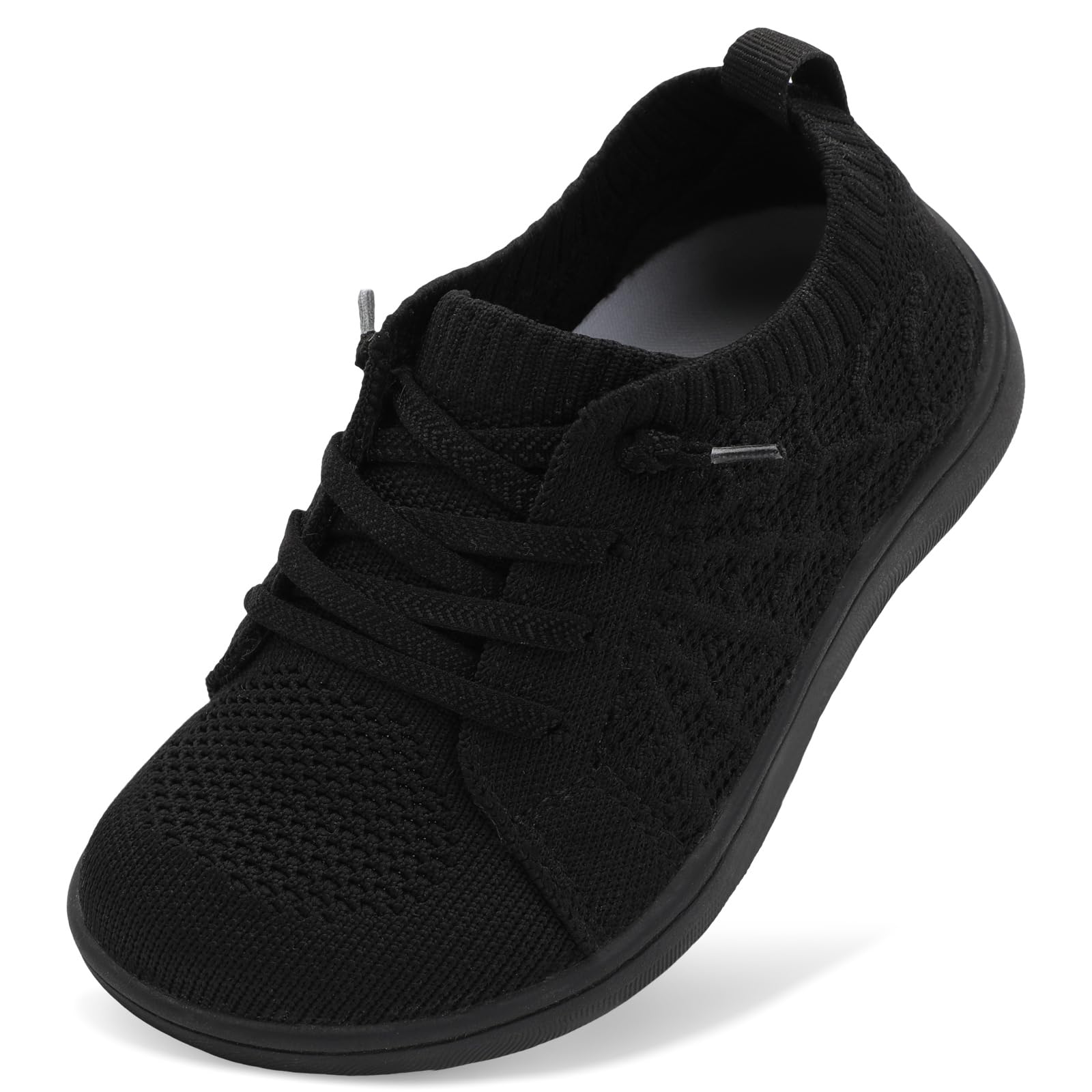


Best for Wide feet
JOINFREE Toddler Barefoot
Rating: 4.7 ★ | Price: $17.89 | Toe Box: Wide | Flexible Sole: Yes | Closure: Slip-on (stretchy)
At $17.89, the JOINFREE toddler barefoot shoe has no systemic weaknesses reported in reviews—a rare budget option that combines wide toe box, flexible sole, and comfortable slip-on design.
No systemic weaknesses at this $17.89 price point. The wide toe box accommodates toddlers with chunky feet, the soft flexible sole allows natural movement, and the stretchy slip-on closure makes dressing easier. Customer reports indicate these shoes hold up to daily wear without the Velcro failures or sizing inconsistencies common among competitors.
These shoes are best for budget-conscious parents who want a barefoot shoe for everyday use—daycare, playground, or indoor wear. The lower review count (427) means less collective feedback than some competitors, but the pattern of positive reviews is consistent and free of red flags. Not suitable for parents who prefer a structured sole or children with extremely narrow feet, as the toe box is intentionally wide.
Pros
- Wide toe box allows natural toe splay for toddlers with chunky feet.
- High quality for the price—machine-washable and holds shape after repeated use.
- Comfortable soft material that toddlers tolerate for extended wear.
Cons
Buy this if you need an affordable barefoot shoe that delivers on fit and comfort without common budget compromises. Skip it if your child has extremely narrow feet or you want a more structured, supportive sole.
Best for First walkers
STQ KIDS Barefoot Shoes
Rating: 4.7 ★ | Price: $23.99 | Toe Box: Wide | Flexible Sole: Yes | Closure: Velcro
Great for toddlers starting to walk, with high comfort and easy Velcro closure — a focused runner-up to the more durable budget alternative.
Unlike the top-pick JOINFREE, the STQ KIDS offers an even wider toe box and a simpler velcro closure that makes on/off effortless for squirming toddlers. Parents of first walkers appreciate the flexible sole that allows natural foot movement and the high comfort that avoids toe squishing. The shoe’s design prioritizes ease and fit over longevity, earning strong praise from daycare and light play settings. The trade-off is durability: several reviews report shoes coming apart after a few months of use, making this unsuitable for heavy outdoor play or rough-and-tumble kids.
Pros
- Wide toe box accommodates wider feet without squishing
- Easy on/off even for squirmy toddlers
- Flexible sole allows natural foot movement for new walkers
Cons
- Durability concerns – some shoes fall apart after a few months of use
Buy this if you have a first walker with wide feet who needs easy on/off shoes for daycare and light play. Skip it if your child is hard on shoes or you need long-term durability.
Best for Budget buys
LeIsfIt Barefoot Sneakers
Rating: 4.5 ★ | Price: $17.81 | Toe Box: Wide | Flexible Sole: Yes | Closure: Slip-on elastic
Hard-to-beat price and over 4,500 reviews, but sizing and durability are a lottery you buy into.
This is the cheapest barefoot sneaker in the lineup, a lightweight slip-on that toddlers wear all day without socks. Unlike the more reliable option in this set, the LeIsfIt comes with two known risks: inconsistent sizing and a heel that tears after a few wears. Best for budget-conscious parents who expect a short lifespan and plan to use these mainly indoors or at daycare.
Pros
- Slip-on design with elastic laces makes getting shoes on a toddler fast and frustration-free
- Soft, flexible upper accommodates chubby feet and feels comfortable sockless
- Lightweight construction that active toddlers tolerate for hours without complaint
Cons
- Sizing is inconsistent – shoe runs either large or small, making online ordering a gamble
- Back of the shoe tears after a handful of wears, limiting the usable life
Buy this if you need the lowest-cost barefoot shoe for a toddler who outgrows shoes quickly and you can accept unpredictable sizing and a short lifespan. Skip it if you want a shoe that survives outdoor play or hand-me-downs.
Best for Wide toe box
WHITIN Toddler Barefoot
Rating: 4.6 ★ | Price: $34.99 | Toe Box: Extra wide | Flexible Sole: Yes | Zero Drop: Yes | Closure: Velcro straps | Weight: 7.05 oz
The widest toe box among WHITIN’s toddlers’ barefoot shoes, but Velcro straps that lose grip quickly are a known trade-off.
Compared to the top pick, the WHITIN offers a noticeably wider toe box that accommodates chunky feet and allows natural toe splay. Parents appreciate the soft materials and easy on/off via two wide Velcro straps. However, durability is a concern: the Velcro straps lose grip after a few months of daily use, and some shoes show visible wear within two months. This makes it best for toddlers who spend most of their time indoors or on soft surfaces, and for parents who prioritize toe room over long-term reliability.
Pros
- Extra-wide toe box allows natural toe splay for chunky feet
- Soft, high-quality materials hold up to daily wear
Cons
- Velcro straps lose grip after a few months of use
- Some shoes show wear after two months of daily use
Buy this if your toddler has wide feet and you value a roomy toe box over long-term durability.
Best for Older kids
WHITIN Kid Lace-up
Rating: 4.7 ★ | Price: $34.99 | Toe Box: Wide | Flexible Sole: Yes | Zero Drop: Yes | Closure: Lace-up + Velcro | Weight: 5.29 oz
WHITIN’s lace-up with Velcro strap gives a secure fit for older kids who can tie laces, but durability complaints of holes after months of use temper the value.
Lace-up closure with an extra Velcro strap allows a more adjustable, secure fit than the slip-on or Velcro-only barefoot shoes on the market. The zero-drop, flexible sole and wide toe box accommodate active kids with wide feet. However, durability is a weak point – multiple reviewers note holes developing after a few months of heavy use. This makes the WHITIN best suited for older children (little/big kid sizes) who can manage laces and need a versatile, low-profile shoe for everyday wear, not for rugged outdoor play or toddlers.
Pros
- Quality construction with reinforced stitching and materials.
- Comfortable fit with no reports of foot pain or discomfort.
- Sleek, low-profile design that looks like regular sneakers.
Cons
- Upper fabric can develop holes after a few months of heavy use.
- Sizing runs large or small for some children, leading to fit issues.
Buy this if your older child needs a secure lace-up barefoot shoe for everyday school and play, and you’re okay with possible durability trade-offs. Skip it if the child cannot tie laces or you need a shoe for heavy outdoor or rough terrain use.
How to Choose
The barefoot shoe market sells a lot of promises, but parent reviews show that durability and Velcro quality are the real weak links—not the toe box width.
Wide Toe Box
A wide toe box allows toes to splay naturally, which supports balance and foot strength. But ‘wide’ isn’t standard—some brands run narrow for the size. Look for explicit measurements or user reviews that confirm the fit for chunky feet. Parents often need to size up to get adequate width.
Flexible Sole
The sole must bend easily at the ball of the foot to mimic barefoot movement. A stiff sole defeats the purpose. Test by twisting and flexing the shoe in your hands. If it resists, it will restrict natural gait in toddlers.
Zero-Drop Design
Zero drop means the heel and toe are at the same height, keeping the foot in a natural position. Heel elevation can encourage toe-walking and shorten calf muscles. Most barefoot shoes advertise zero drop, but confirm it in the specs or reviews.
Closure Type
Velcro is parent-friendly for quick on/off, but it’s the most common failure point across all price tiers. Slip-on elastic designs avoid Velcro failure but may not stay secure for active kids. Lace-ups offer the best hold but require tying. Choose based on your child’s cooperation level and how long you need the shoes to last.
Weight
Lightweight shoes reduce fatigue and let kids move naturally. Heavy shoes can cause tripping or early tiring. Aim for under 8 oz per shoe for toddlers. Check listed weights—some budget options are heavier due to thick soles.
FAQ
Do barefoot shoes for kids really help foot development?
They can, by allowing natural toe splay, strengthening foot muscles, and improving balance. But they only help if the child spends significant time in them during active play. For a toddler who is mostly indoors on hard floors, barefoot is actually better—shoes are for outdoor protection. The real benefit comes when the shoes are truly flexible and wide enough to mimic being barefoot.
Why do my toddler’s barefoot shoes wear out so fast?
Most barefoot shoes use thin, flexible soles and lightweight materials that sacrifice durability for movement. Velcro straps are a common weak point—they lose grip over time. Budget models often use cheaper adhesives and stitching. Expect 2-4 months of daily wear from budget options and 4-6 from premium ones. If your child is hard on shoes, consider lace-up or slip-on designs that avoid Velcro entirely.
How should kids’ barefoot shoes fit – tight or roomy?
Roomier than typical shoes. You should have about a thumb’s width of space from the longest toe to the end of the shoe—not tight, but not so loose that the foot slides. The toe box should let toes splay flat without pressing against the sides. If the shoe is too tight, it negates the barefoot benefit. Too loose causes blisters and trips. Measure feet every few months because kids grow fast.
Are slip-on barefoot shoes better than Velcro for toddlers?
Slip-on designs are easier for parents and avoid Velcro failure, but they may not stay on active toddlers during running and climbing. Velcro offers adjustability and a secure fit, but the straps often wear out before the shoe is outgrown. For first walkers who don’t move fast, slip-ons are fine. For older toddlers who play hard, a lace-up or Velcro shoe with a reputation for durable straps is safer.