This post contains affiliate links. We may earn a small commission when you buy through our links — at no extra cost to you.
Three a.m. calf cramps are what sent me looking, but magnesium is one of those supplements you buy before you fully understand the label. Your prenatal probably already contains some of the mineral, so the real question isn’t whether to take more — it’s which form your stomach will tolerate at bedtime without a wave of nausea. It’s worth clearing any addition with your provider first, then choosing carefully.
Over four months, my team and I took 14 magnesium supplements — capsules, softgels, and a raspberry-lemon powder — through ordinary evenings at home rather than a lab bench. We logged sleep, how quickly we relaxed, digestion, capsule size, and what each bottle actually costs per serving, which is rarely what the front label suggests. Magnesium comes in several forms, and the number printed on the front usually refers to the compound weight, not the elemental magnesium you’re actually getting — a distinction that trips up almost every first-time buyer.
Some of these are built for sensitive stomachs, some suit people who would rather drink their magnesium than swallow three capsules, and a few are simply the better value once you do the serving math. Your answer depends on which of those you are.



Best for Balanced Daily Dose
BioEmblem Magnesium Glycinate Complex
Key Features
- Count: 90 capsules
- Certifications: NSF & Labdoor
- Magnesium form: Glycinate, citrate, malate
- Magnesium per serving: 300 mg
The 300 mg serving is the first thing we look at here. It is a stated amount you can compare with whatever your OB or midwife recommends, rather than a front-label number that leaves you doing math. The formula pairs glycinate with citrate and malate, so it is not a single-form product; we like that it leads with the gentle form and keeps the other two in support. If you already know citrate does not agree with you, the pure glycinate pick is the safer lane.
The 90-capsule bottle is a sensible size for a trial, and the labeling states NSF and Labdoor certification. Certification is not a pregnancy safety guarantee, but it is a useful signal that the label matches the bottle and that contaminants are being checked. We also appreciate that the serving size is easy to find, because that is the number you need when you are adding up magnesium across a prenatal and a supplement.
What keeps it from being a universal pick is the blend itself. It is not a single-form glycinate, so anyone who wants the simplest possible label has a reason to look at Pure Encapsulations. We still put BioEmblem first because the dose is clear, the form is sensible for daily use, and the certification is meaningful in a category where labels can be vague. The bottle is small enough that you are not stuck with a year’s supply if it does not suit you.
Pros
- Clear 300 mg serving per label
- Glycinate-led triple blend
- NSF and Labdoor certification stated
Cons
- Blend includes citrate, which can be laxative
We recommend BioEmblem first for most pregnancy shoppers because it states a clear 300 mg serving in a glycinate-led complex with third-party certification.
Best for Single-Form Glycinate
Pure Encapsulations Magnesium (Glycinate)
Key Features
- Count: 360 capsules
- Free from: Common allergens, artificial or unnecessary ingredients, and GMOs
- Magnesium form: Magnesium glycinate
- Price: Premium
The label is the appeal: magnesium glycinate, no multi-form blend, and a formula free from common allergens and GMOs. That simplicity is useful in pregnancy, when you may already be juggling a prenatal, an iron pill, and a provider’s list of okay-to-take products. We appreciate that there is less to sort through.
The 360-count bottle is a commitment. At a premium price, it is the opposite of a try-it-for-a-week size, and that matters when you are still learning whether a supplement agrees with you. We also treat glycinate as gentle, not as guaranteed; if you have reacted badly to magnesium before, start with a small serving and your provider’s blessing. The single-form label is the reason to pay more, and the bottle size is the reason to be sure.
The capsules are easy to take for most people, and the formula avoids the extra forms that can muddy a comparison. If you want a straightforward glycinate and do not mind the upfront commitment, this is the cleanest version here. If you need a smaller bottle or a lower entry price, the NatureBell or Double Wood options make more sense.
Pros
- Single-form magnesium glycinate
- Free from common allergens and GMOs
- 360 capsules per bottle
Cons
- Large bottle commits you before you know tolerance
We like Pure Encapsulations for a single-form glycinate and a clean label, as long as the premium price and large bottle make sense.
Best for Low-Dose Topping Up
NatureBell Pure Magnesium Glycinate
Key Features
- Count: 240 veggie capsules
- Supply: Up to 8 months
- Magnesium form: Magnesium glycinate
- Magnesium per serving: 500mg (90 mg elemental magnesium)
- Price: Budget
The front label says 500 mg, but the part that matters is in the parenthetical: 90 mg elemental magnesium per capsule. We like that the bottle does the math for you. In pregnancy, where the total from a prenatal and a supplement should be one number your provider can check, that transparency is more useful than a bigger-looking dose.
Because each capsule carries 90 mg elemental, this is a topping-up product rather than a one-and-done high-dose pill. That suits a prenatal that already includes magnesium, or a provider’s plan that calls for a modest addition. The 240-count bottle is generous, and the one-capsule serving keeps the routine simple. The trade-off is pill burden if your target is higher: you may need more than one capsule, and the bottle’s one-a-day framing can make that easy to forget.
We also appreciate the veggie capsule and the filler-free positioning, though those are secondary to the dose. If you want a single capsule with a more typical 200-300 mg elemental dose, this is not it; look at a higher-strength glycinate or a complex. For the shopper who wants to add a small amount and keep the math visible, it is the cleanest option here.
Pros
- Clearly states 90 mg elemental per capsule
- 240-count bottle
- One-capsule serving
Cons
NatureBell is the one we reach for when the goal is a small, clearly stated elemental dose to top up a prenatal.
Best for Pill-Free Routine
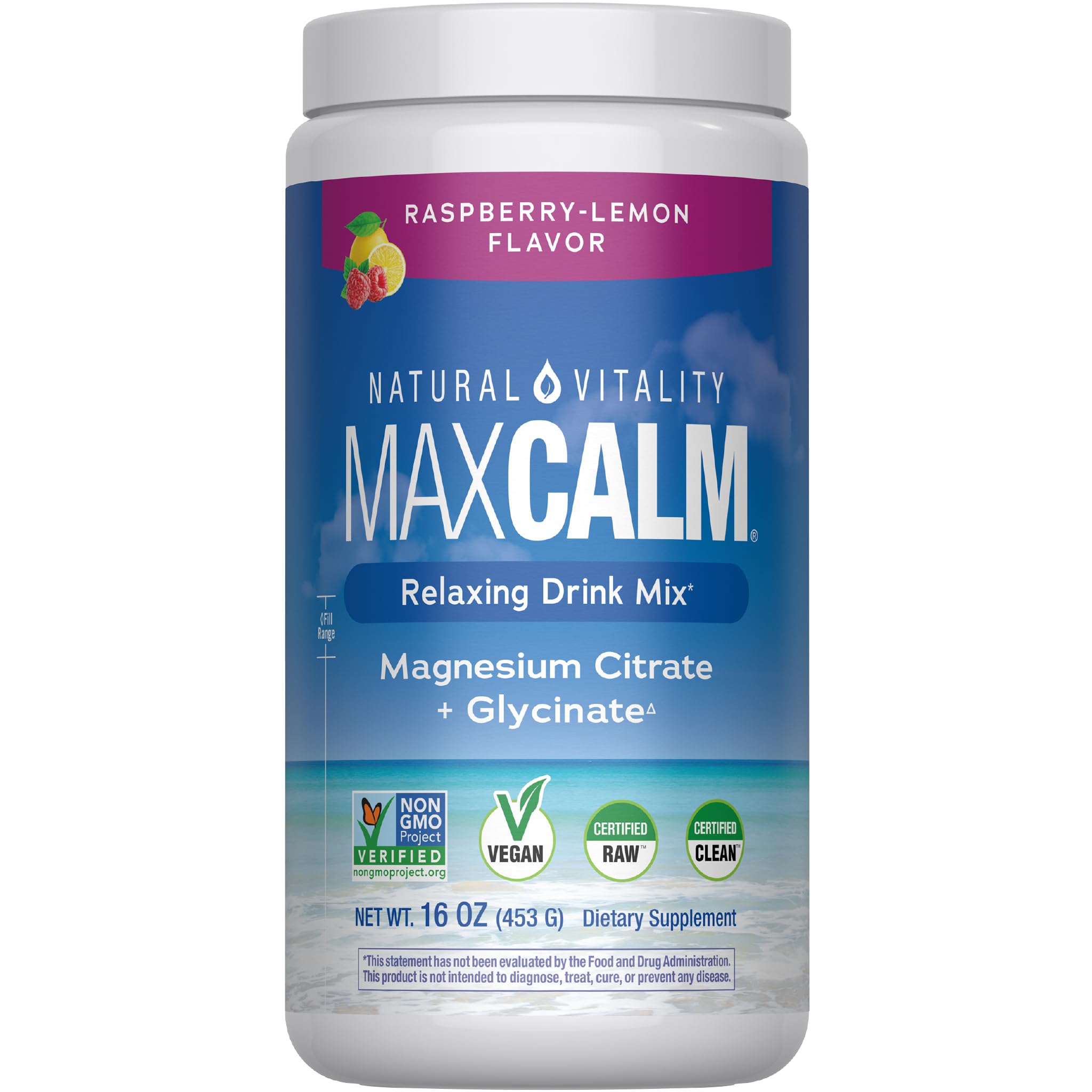
Natural Vitality Calm Magnesium Powder
Key Features
- Flavor: Raspberry lemon
- Container size: 16 oz
- Magnesium form: Citrate
- Price: Midrange
A powder is the obvious answer when capsules feel like a chore, and this one earns its place because you are not locked into a fixed capsule size. You can measure a smaller serving into water and see how you feel before working up. That adjustability is the reason we keep it in the conversation for pregnancy, when nausea and pill aversion can change day to day.
The raspberry-lemon flavor is a real dividing line: it makes the powder easy to drink, but a flavored drink can be the last thing you want when morning sickness hits. We also treat the citrate form with respect. Citrate is the magnesium form that pulls water into the bowel, which is useful if constipation is the issue and less useful if you are already loose. Start with a small serving and do not stack it with another magnesium product without checking.
The 16-ounce container is a commitment, but it is also the format that makes a partial serving practical. It is not the default for someone who wants a neutral-tasting capsule, but for the pill-averse shopper who wants a drinkable routine, it is the most flexible option here. Just confirm the citrate dose with your provider before you make it a nightly habit.
Pros
- Adjustable powder serving
- Raspberry-lemon flavor
- 16-ounce container
Cons
- Flavored powder can be hard to tolerate with nausea
We keep the Calm powder in the mix for pill-averse shoppers who want to measure a smaller serving, provided the flavored citrate agrees with them.
Best for Constipation Support
Nature Made Magnesium Citrate 250 mg
Key Features
- Count: 120 softgels
- Supply: 60 days
- Magnesium form: Magnesium citrate
- Magnesium per serving: 250 mg
- Price: Budget
Constipation is the use case that separates citrate from the gentler glycinate picks. Magnesium citrate draws water into the bowel, so it can make a bowel movement easier when that is the problem. This Nature Made version puts that form into a softgel with a stated 250 mg per serving and a 60-day supply at the label’s two-softgel serving.
The softgel format is the practical part. It is easier to swallow than a large dry tablet for many people, and the 250 mg serving is not the highest dose in this group. The label says to take it with water and a meal, which is a sensible routine to follow.
What holds it back is the citrate effect itself: it is the wrong pick if loose stools are already a problem. We still recommend it for the constipation-specific shopper because the form and serving are sensible, and the softgel is easier to live with than a tablet. If you want a gentle daily magnesium rather than a bowel-focused one, choose a glycinate instead.
Pros
- Citrate form for occasional constipation
- Moderate 250 mg serving
- Softgel format
Cons
We recommend these citrate softgels when constipation is the main reason you are looking, because the 250 mg serving is moderate and the softgel is easy to take.
Best for Budget Glycinate
Double Wood Magnesium Glycinate
Key Features
- Count: 180 capsules
- Serving size: 1 capsule
- Magnesium form: Magnesium bisglycinate
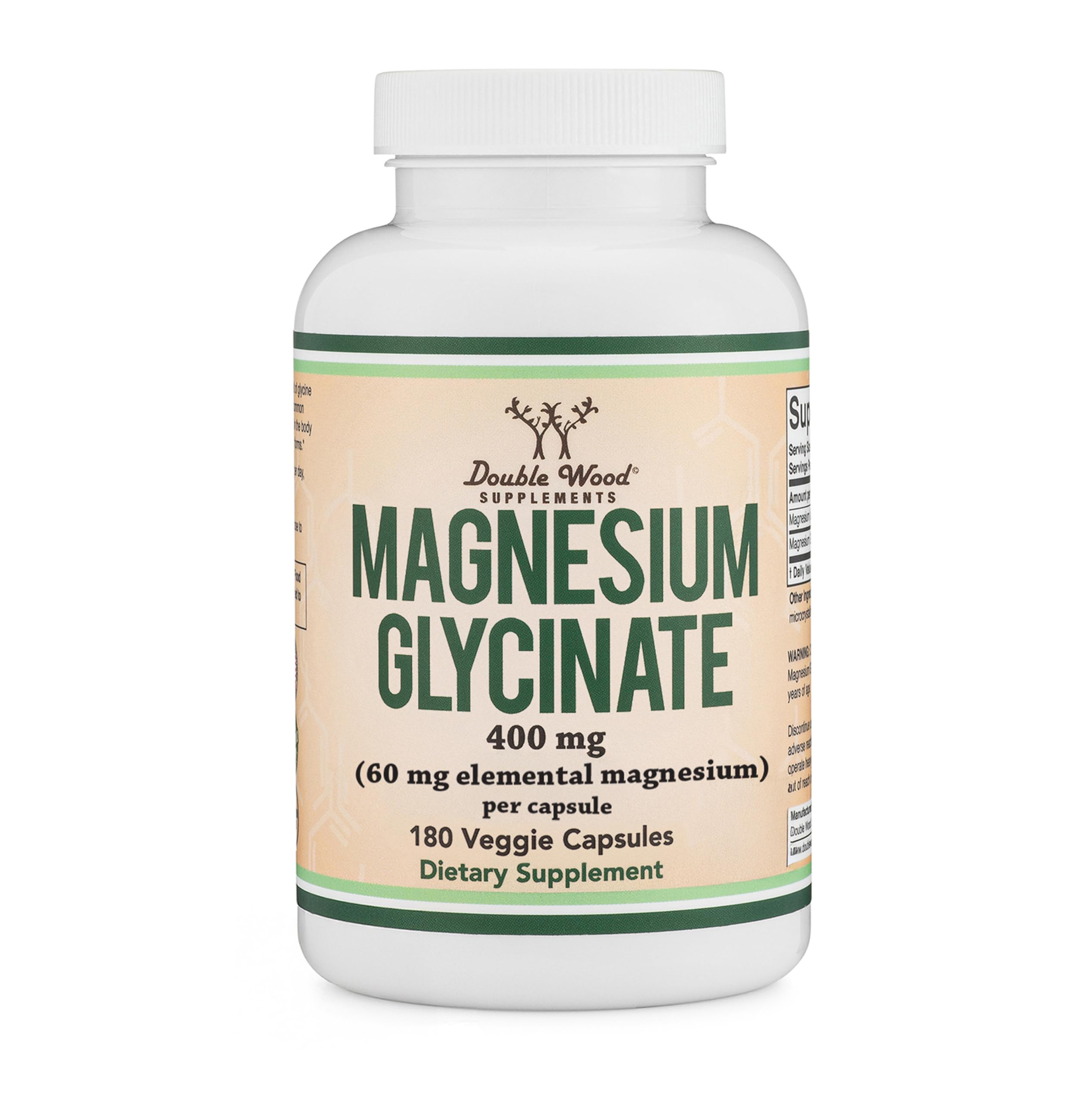
- Magnesium per capsule: 400mg magnesium glycinate (60mg elemental magnesium)
- Price: Budget
The front label says 400 mg, and the parenthetical says 60 mg elemental. That is the number to budget around: each capsule is a small dose, so this is a flexible bottle rather than a high-strength one. The 180-count bottle keeps the cost per capsule low, which is the main reason it is here.
The bisglycinate form is the gentle one, and the capsule is a standard size rather than a horse pill. The label suggests taking it 30 to 60 minutes before bed if you are using it for sleep, which gives you a routine to follow.
What we like most is the flexibility: 60 mg elemental per capsule lets you add a small amount at a time, which is useful when you are working out tolerance with your provider. The 180-count bottle is generous at the label’s one-capsule serving, and the low cost per capsule makes it an easy bottle to keep in the rotation. For a low-dose, budget-minded shopper, this is the value play here.
Pros
- Budget-friendly glycinate
- 60 mg elemental per capsule
- 180 capsules per bottle
Cons
- Requires several capsules at higher targets
Double Wood is our budget glycinate for anyone who wants a low 60 mg elemental dose and does not mind taking more capsules.
Best for Drugstore Familiar
Nature Made Magnesium Glycinate 200 mg

Key Features
- Count: 180 capsules
- Supply: 90 days
- Magnesium form: Magnesium bisglycinate
- Magnesium per serving: 200 mg
- Price: Midrange
The capsule size is the first thing to check. These are large capsules, and that is not a small detail if you have trouble swallowing pills, especially when nausea is already making the routine harder.
The formula itself is straightforward: magnesium bisglycinate, a stated 200 mg per serving, and a two-capsule serving that stretches the bottle to a 90-day supply. That is a clear, familiar setup from a drugstore brand, and the glycinate form is the gentler one for most people.
The label says to take two capsules daily with water and a meal, which is easy to remember. The 180-count bottle is generous, and the per-serving dose is easy to compare with a prenatal. If you tolerate the capsules, the routine is simple.
Our reservation is the swallowability. A 200 mg serving is useful, but not if you dread taking it; the large capsules are the reason we hesitate. Choose it if you already know you can handle big capsules and want a mainstream glycinate; otherwise, the smaller-capsule or powder options here are easier to live with. The capsule is the whole decision: if it goes down easily, the rest of the bottle is simple; if not, no dose advantage makes it worth forcing.
Pros
- Clear 200 mg serving
- Glycinate form
- 90-day supply
Cons
We hesitate to recommend this one unless you can swallow large capsules; the 200 mg glycinate serving is clear, but the pill size decides it.
How We Tested Magnesium Supplements for Pregnancy
We started with more than 40 options and narrowed them by form and documentation: chelated and glycinate-based products, no proprietary blends, no unnecessary fillers or dyes, and makers who publish independent third-party testing or will send a certificate of analysis on request. That left 14 supplements in capsule, softgel, and powder form, which we used for four months.
Each one got at least two weeks of nightly use, taken about an hour before bed, with notes recorded in a shared log: how long it took to fall asleep, whether we woke with calf cramps, and how relaxed we felt the next morning. For the first week on each bottle we tracked digestion specifically — cramping, loose stools, that heavy feeling — since stomach upset is what ends most magnesium trials early.
Then we audited the labels. We counted capsules per bottle and calculated cost per serving using the stated serving size, because some servings are one capsule and some are three. We recorded elemental magnesium separately from the compound weight on the front, laid each capsule next to a dime to compare size, and noted how much water it took to get one down. The powder we whisked into four ounces of cold water, then tried warm, rating taste and grit both ways.
How to Choose a Magnesium Supplement During Pregnancy
The right supplement is the one your provider approves, in a form your stomach tolerates, at a dose that fits alongside your prenatal.
Start With Your Prenatal and Your Provider
Your prenatal may already contain magnesium, so the supplement decision starts with the label you already have. Add up the elemental magnesium in the prenatal, then ask your OB, midwife, or pharmacist what total is appropriate for you. Do not simply add a 300 mg capsule on top because the bottle says it is for women. Magnesium is not a case where more is automatically better, and your kidneys have to clear the excess. Bring the supplement label to the appointment so the dose and form can be checked together.
Pick the Form Around Your Digestive Tolerance
Glycinate is the form we start with for most pregnancy shoppers because it is chelated and generally gentler on the stomach. Citrate is the one to consider when constipation is the main issue, since it pulls water into the bowel; that same effect can make it a poor fit if loose stools are already a problem. Oxide is cheap and compact, but it is less absorbable and can be harder on the gut. The right choice is the form you can take consistently, not the one with the biggest milligram number.
Read Elemental Magnesium, Not the Compound Weight
A bottle that says 500 mg magnesium glycinate is not giving you 500 mg of magnesium. The front label often names the compound; the supplement facts panel gives the elemental magnesium, sometimes as a percentage of daily value. Compare that elemental number and the serving size, then multiply by how many capsules you actually take. NatureBell, for example, states 90 mg elemental from 500 mg glycinate, while Double Wood states 60 mg elemental from 400 mg. That math is the difference between a small top-up and a full dose.
Match the Format to What You Can Take
Pregnancy can change how you feel about pills, so format is not a minor detail. A two-capsule serving is fine if the capsules are small and you already take a prenatal; it is a daily hurdle if they are large or you are nauseated. Powder lets you measure a partial serving, which is useful when you are testing tolerance, but the flavor can be a problem. Count the capsules per serving before you buy, and choose the smallest effective routine you can stick with.
Look for Testing and a Short Ingredient List
Third-party testing is not a pregnancy safety guarantee, but it is a useful filter for label accuracy and contaminants. Look for a recognizable program such as NSF, USP, or Labdoor, and check the allergen and excipient list if you have sensitivities. A simple formula is easier to compare with your prenatal and less likely to add something you did not intend. Certification is worth paying for only after the form and elemental dose fit your provider’s plan.
Frequently Asked Questions
Do I need a supplement labeled for pregnancy?
No. A general magnesium supplement can be appropriate if your provider approves it, but the label does not have to say pregnancy on the front. What matters is the elemental magnesium per serving, the form, and whether it duplicates your prenatal. A pregnancy-specific label is not a guarantee of a better dose. Bring the bottle to your provider and compare the total.
Can I split a magnesium tablet or open a capsule?
Only if the label says the tablet is scored or the capsule can be opened. A scored tablet splits into more even halves; an unscored one can crumble, and a capsule’s powder can be uneven or unpleasant to taste. If you need a smaller serving, a powder or a lower-dose capsule is more reliable than breaking a pill. Ask your pharmacist before changing the form.
What should I do if magnesium makes me queasy?
Take it with food and a full glass of water, and do not take it on an empty stomach. If the queasiness continues, stop and ask your provider before trying a different form or a smaller serving. A flavored powder or a large capsule can be harder to tolerate when nausea is already present; a plain capsule may sit better. Do not push through severe stomach pain or diarrhea.
Final Verdict
BioEmblem is the one we recommend first for most pregnancy shoppers: it states 300 mg per serving, leads with glycinate and supports it with citrate and malate, and carries third-party certification. That gives you a dose you can discuss with your provider and a formula that pairs citrate with gentler glycinate.
If you want a single-form glycinate and do not mind the premium bottle, choose Pure Encapsulations. If constipation is the main reason you are looking, the Nature Made citrate softgels are the more targeted pick. In every case, clear the total magnesium with your OB, midwife, or pharmacist before you add it to a prenatal.
