This post contains affiliate links. We may earn a small commission when you buy through our links — at no extra cost to you.
The prenatal appointment where iron comes up is often the same one where you learn about the side effects. Your blood volume is climbing, your reserves are being pulled, and the supplement meant to fix it can leave you constipated, queasy, or both — a rough trade when you’re already nauseated. The dose that raises your levels is often the dose your gut refuses, and that trade-off is the whole game in this aisle.
We spent four months with 14 iron supplements — tablets, capsules, softgels, and a liquid — and the differences came down to things less obvious than milligrams. Two pills with the same number on the front can deliver very different amounts of actual elemental iron, so the label math matters here more than in any other supplement aisle. Vitamin C taken alongside helps you absorb what you swallow, calcium and your morning coffee work against you, and if you go the liquid route, taste becomes a daily negotiation. The picks below are the ones our testers kept taking willingly — nine months is a long time to argue with a bottle.




Best for Gentle Daily Support
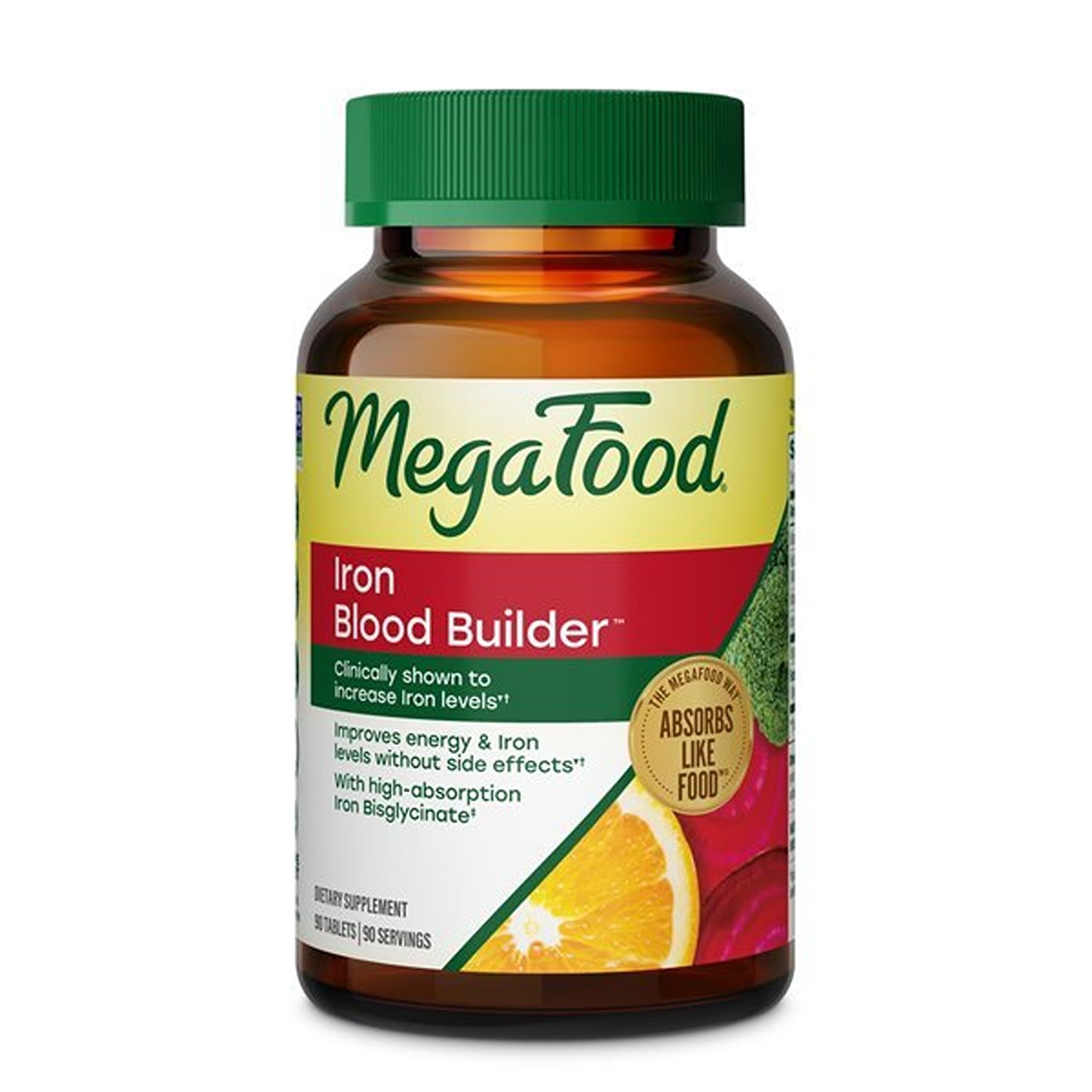
MegaFood Blood Builder
Key Features
- Diet: Vegan
- Serving size: 1 tablet
- Added nutrients: Folic acid, B12, vitamin C
- Iron per serving: 26 mg
- Price: Premium
MegaFood builds Blood Builder around 26 mg of iron, and that number is why it leads our list for pregnancy. It is a moderate daily dose rather than a 65 mg correction tablet, so it fits a routine your provider has already approved. The formula also brings folic acid, B12, and vitamin C, which makes it more complete than a bare iron pill.
What we appreciate most is the gentleness. In our testing, it was the one we reached for when a standard ferrous sulfate tablet had made the day feel queasy. The tablet can be taken with or without food, and the serving stays at one tablet. We also like that it is vegan and tested for a long list of chemical substances, which is more reassurance than many iron pills offer.
The trade-off is cost: you pay a premium for the food-based positioning and the added nutrients, and 90 tablets is a three-month supply at one a day. It is also not the pick for someone whose provider has diagnosed iron-deficiency anemia and asked for a high dose. Blood Builder is maintenance-style support, not a correction tool. If your bloodwork calls for 45 mg or 65 mg, look at Slow Fe or Nature Made instead.
Pros
- Includes folate, B12, and vitamin C
- Gentle 26 mg daily dose
- One tablet with or without food
- Vegan and purity tested
Cons
- Premium price per serving
For pregnancy support at a moderate dose, Blood Builder is our first choice because it pairs 26 mg of iron with folate and B12 in a gentle tablet.
Best for Sensitive Stomachs
Slow Fe 45 mg
Key Features
- Count: 60 tablets
- Release: Controlled release
- Serving size: 1 tablet
- Iron per serving: 45 mg
- Price: Midrange
Slow Fe is the middle ground in this group: 45 mg of iron per tablet, enough to matter when your provider wants more than a maintenance dose but not the full 65 mg of a standard ferrous sulfate pill. The controlled-release system is the reason we kept it on the shortlist. Instead of releasing the whole dose at once, it meters iron out over time, which is the design behind its gentler reputation.
The tablets are small and easy to swallow, and the 60-count bottle is a reasonable size for a trial. We did not love the blister packaging; the individual pockets take more effort to open than a standard bottle, and that is a real friction point if you take one every morning. The payoff is a tablet that we could take without the stomach cramping that comes with cheaper iron.
It is still iron, and constipation is possible; the slow release reduces the odds, it does not erase them. If you need the highest dose your provider will approve, Slow Fe is our first stop between a gentle low-dose capsule and a 65 mg tablet. It is also the pick for a reader who has had trouble with regular ferrous sulfate in the past.
Pros
- Controlled-release 45 mg dose
- Small, easy-to-swallow tablet
- Gentle on the stomach
- Reasonable 60-count size
Cons
- Foil packets are fiddly to open
Slow Fe is the best choice when you need a meaningful 45 mg dose but want the gentler tempo of a controlled-release tablet.
Best for Low-Dose Daily Use
Thorne Iron Bisglycinate
Key Features
- Iron form: Iron bisglycinate
- Serving size: 1 capsule
- Certification: NSF Certified for Sport
- Iron per serving: 25 mg
- Price: Midrange
Thorne’s iron bisglycinate is the one we reach for when a 65 mg tablet feels like overkill. It delivers 25 mg in a chelated form that is designed to be absorbed without the usual gastrointestinal fight, and it is NSF Certified for Sport, which means it has been checked against a long list of contaminants and banned substances. For pregnancy, that third-party screening is a meaningful extra.
The capsule is small and easy to swallow, and the 60-count bottle gives you two months at one a day. We liked that it does not carry the metallic aftertaste that comes with uncoated ferrous sulfate. The trade-off is that 25 mg will not correct a significant deficiency on its own. This is a maintenance and tolerance pick, not a high-dose treatment.
The price sits in the middle of this group, and the bottle has a lot of empty space, which feels wasteful. Neither changes the recommendation: if your stomach rejects standard iron and your provider is happy with a 25 mg dose, Thorne is the cleanest low-dose option here. It is also the one we trust most for a reader who checks every supplement against a third-party testing list.
Pros
- Chelated bisglycinate form
- 25 mg moderate dose
- NSF Certified for Sport
- Small capsule
Cons
- Bottle is larger than needed
For a gentle 25 mg dose with third-party purity testing, Thorne’s bisglycinate is the low-dose iron we recommend.
Best for Pill-Free Routine
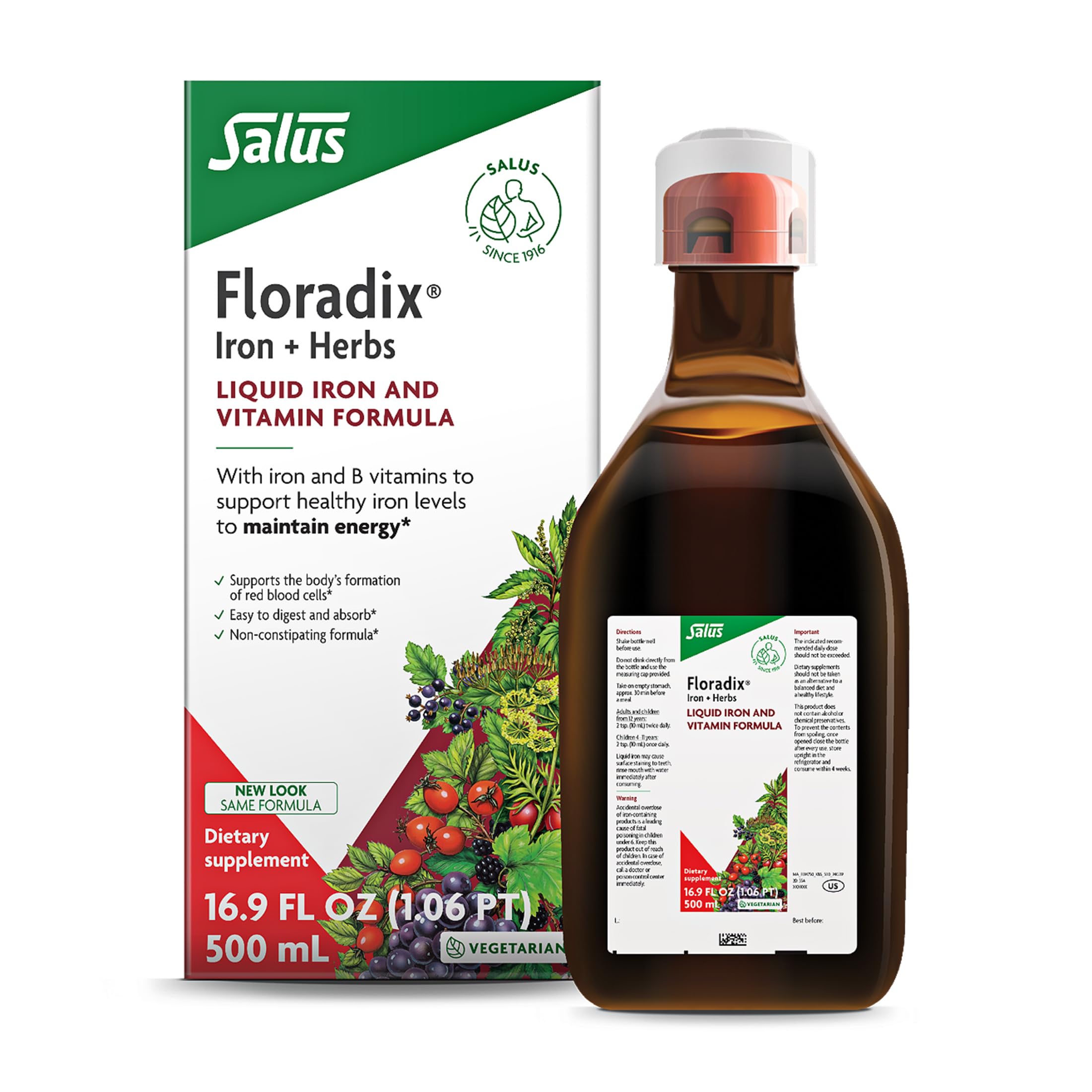
Floradix Iron & Herbs
Key Features
- Format: Liquid
- Volume: 16.9 fl oz
- Iron form: Ferrous gluconate
- Iron per serving: 10 mg
- Price: Premium
Floradix Iron & Herbs is the liquid answer for anyone who has gagged on a large iron tablet. Each serving carries 10 mg of ferrous gluconate with vitamin C and a B-complex blend, and the bottle is 16.9 fluid ounces, so you measure a dose rather than count pills. It is vegetarian, lactose-free, and alcohol-free.
The taste is the dividing line. It is a botanical, slightly bitter liquid, and we did not find it unpleasant when we took it like a shot and chased it with orange juice; if you sip it slowly, the herbal flavor lingers. It is not a sweet supplement, and that is the main reason some readers will not finish the bottle.
At 10 mg, this is a low-dose supplement. It suits someone whose provider wants gentle maintenance, or a person who cannot swallow tablets and needs a liquid they can adjust. It is not the answer for a diagnosed deficiency that needs 45 mg or 65 mg. Still, for pill-free pregnancy support, it is the liquid we kept coming back to.
Pros
- Liquid form for pill aversion
- Includes vitamin C and B complex
- Low 10 mg dose
- Alcohol-free and vegetarian
Cons
- Pour spout can dribble
- Premium price per serving
Floradix is our liquid pick for pregnancy because it makes a low 10 mg dose easy to take when pills are impossible.
Best for Provider-Guided Dosing
Nature Made Iron 65 mg
Key Features
- Iron form: Ferrous sulfate
- Serving size: 1 tablet
- Certification: USP Verified
- Iron per serving: 65 mg
Nature Made’s 65 mg ferrous sulfate tablet is the standard-dose workhorse of this group. The 365-count bottle is a year’s supply at one tablet a day, and the USP Verified mark means the product has been checked for the amount of iron on the label and for contaminants. That combination is why it stays in a pregnancy roundup: it is a known quantity.
The right way to use it is with a provider’s target in mind. If you have been told to take 65 mg for a confirmed deficiency, this is a well-verified way to do it. If you are looking for routine pregnancy maintenance, a 25 mg or 26 mg option is easier to live with. We like having one bottle that lasts, but the commitment is real.
The tablet is small and easy to swallow, and the coating keeps the metallic taste down. It remains our standard high-dose pick because the verification is there and the dose is unambiguous. The 365-count bottle also means you are not reordering every month.
Pros
- USP Verified
- 365 tablets per bottle
- Small coated tablet
- Clear 65 mg dose
Cons
- Can cause constipation or nausea
Nature Made is the high-dose standard for provider-guided deficiency correction, with USP verification and a year of tablets in one bottle.
Best for Whole-Food Approach
Garden of Life Raw Iron
Key Features
- Count: 30 capsules
- Format: Capsule
- Added nutrients: Vitamins C, B12, folate
- Iron per serving: 22 mg
- Price: Midrange
Garden of Life’s Raw Iron is the whole-food option: 22 mg of iron per capsule with vitamin C, B12, and folate, plus a raw probiotic and enzyme blend. The capsule can be opened and mixed into water or juice, which is useful if swallowing is the barrier. It is vegan, gluten-free, and Non-GMO Project Verified.
We liked the lower dose for daily use. At 22 mg, it leaves room for iron from food and a prenatal, and the added folate is a sensible companion in pregnancy. The formula is gentle enough that we did not need to build up to it, which is not something we can say for every iron pill here.
The whole-food label does not make the iron risk-free, and this is not a high-dose correction product. If your provider has prescribed 65 mg, Raw Iron will not get you there without extra capsules. As a gentle, plant-based daily option, it earns a place for readers who want probiotics alongside their iron.
For a reader who wants a plant-based capsule with extra nutrients, this is a strong alternative to a bare iron tablet. We reach for it when digestion is the priority and the dose on the lab report is modest.
Pros
- 22 mg whole-food iron
- Includes folate, B12, and C
- Probiotic and enzyme blend
- Capsule can be opened and mixed
Cons
- Large capsule
- Only 30 capsules per bottle
Garden of Life Raw Iron is our whole-food pick for a gentle 22 mg daily dose with folate and probiotics.
Best for Budget Daily Iron
Feosol Original

Key Features
- Count: 120 tablets
- Iron form: Ferrous sulfate
- Serving size: 1 tablet
- Iron per serving: 65 mg
- Price: Budget
Feosol Original is the value pick we reach for when a provider has specified 65 mg. Each tablet carries 65 mg of ferrous sulfate, and the bottle holds 120 tablets, so a four-month supply costs less than most of the premium picks here. The tablet is small and coated, which makes it easier to swallow than the old chalky ferrous sulfate tablets.
We noticed the coating does its job on taste; there is little metallic aftertaste if you swallow it promptly. The catch is the dose. At 65 mg, this is a correction-strength tablet, not a gentle maintenance pill. If your provider has told you to take 65 mg and you want the lowest-cost way to do it, Feosol is a sensible choice.
The bottle is small enough for a medicine cabinet, and the tablets are easy to count. It is not the pick for a sensitive stomach or for someone who wants a lower daily dose; that is where Slow Fe and Thorne come in. But for a straightforward, inexpensive 65 mg tablet, it earns a place.
Pros
- Low cost per tablet
- Small coated tablet
- 120-count bottle
- 65 mg standard dose
Cons
- Can cause constipation
Feosol Original is the budget 65 mg ferrous sulfate tablet we recommend when a provider has specified that dose.
Best for High-Potency Correction
NaturesPlus Hema-Plex

Key Features
- Count: 60 softgels
- Format: Softgel
- Added nutrients: Vitamin C, bioflavonoids
- Iron per serving: 85 mg
- Price: Premium
NaturesPlus Hema-Plex sits at the high-potency end: 85 mg of chelated iron per serving, plus vitamin C and a bioflavonoid complex in a softgel.
The softgel is easy to swallow and the formula is gentle for its dose. We did not notice the metallic aftertaste that comes with many high-dose tablets, which is a real point in its favor. The softgel format also makes it a better choice than a large tablet for someone who struggles with pills.
The label’s serving is three softgels, so the 60-count bottle delivers 20 servings. That is a short supply for a high-potency product, and it makes the cost per day higher than most of the field.
Where it makes sense is a confirmed deficiency that needs a strong dose and a reader who prefers a softgel to a tablet. For ordinary pregnancy maintenance, MegaFood or Thorne is easier to justify. Hema-Plex is a specialist tool, not the default.
Pros
- 85 mg chelated iron
- Includes vitamin C and bioflavonoids
- Softgel is easy to swallow
- Gentle for a high dose
Cons
- 85 mg is high for routine use
NaturesPlus Hema-Plex is the high-potency 85 mg softgel for provider-directed deficiency correction, not routine pregnancy support.
How We Tested These Iron Supplements
We started with every iron supplement we could find that was sold in a dose an adult could reasonably take daily, then narrowed by form — ferrous sulfate, ferrous bisglycinate, whole-food blends, and one liquid — and by what came in the bottle with the iron: vitamin C, B12, folate, probiotics, or nothing but iron and fillers. Third-party certifications, vegan and gluten-free claims, and cost per serving cut the list to 14.
Testers were a mix of pregnant, postpartum, and iron-deficient adults, each assigned one formula at a time. They took it for four weeks, then rotated, which spread the 14 products across four months. Everyone kept a daily log: how soon after the dose nausea showed up, what changed in the bathroom and how quickly, whether taking it with food softened the effect, and how they felt at week three compared with week one.
We counted pills per serving and worked out how long a bottle would actually last, since a 20-serving supply is a different purchase than a 90-serving one. Pills were lined up beside a standard prenatal for size and swallowing comparison, and the liquid got sipped and rated for metallic aftertaste. Because the milligram figure on the front isn’t always the elemental iron you’re getting, we read every supplement facts panel and noted which number the brand was quoting.
Where testers were having routine bloodwork anyway, they brought hemoglobin and ferritin results to their own providers and told us afterward how the numbers moved — nobody adjusted a dose on our say-so. Energy was the slowest thing to shift and the hardest to attribute to any one bottle; digestion announced itself within days.
How to Choose an Iron Supplement for Pregnancy
The right iron supplement for pregnancy is the one that matches the dose your provider has set and the form your stomach will tolerate. The highest number on the label is not the goal.
Match the dose to your lab report
Pregnancy raises iron needs, but a routine supplement and a deficiency treatment are different jobs. A 10 mg to 26 mg product is easier to fit into daily maintenance, especially if your prenatal already contains iron. A 45 mg, 65 mg, or 85 mg tablet is a correction dose, and it belongs in your routine only when your provider has named that number. More iron does not mean better iron; it means more risk of constipation, nausea, and overload if you take it without guidance.
Choose a form your stomach can live with
Ferrous sulfate is the most studied and least expensive form, and it is also the one most likely to cause constipation or nausea. Chelated iron bisglycinate, ferrous gluconate, carbonyl iron, and controlled-release tablets are often gentler, but they usually carry less elemental iron per dose. If you have a sensitive stomach, start with a lower-dose gentle form such as Thorne or a controlled-release tablet such as Slow Fe, then adjust with your provider rather than toughing out a 65 mg pill.
Look at what comes with the iron
Vitamin C helps iron absorption, and folate and B12 are useful pregnancy companions, so a formula with those nutrients can simplify your routine. The opposite matters too: calcium, antacids, and the tannins in coffee and tea can get in the way. Take iron with vitamin C or a glass of orange juice, and separate it from your calcium supplement by a couple of hours. If you already take a prenatal, add up the iron in both bottles before you combine them.
Pick a format you will actually take
Tablets are the default, but the best supplement is the one you do not dread. A small coated tablet such as Feosol or Nature Made is easier to swallow than a large uncoated one; a liquid such as Floradix helps if pills are a barrier; a capsule you can open, such as Garden of Life Raw Iron, can go into juice. Check the serving size and the count before you buy, because a bottle that looks large may hold only 20 servings.
Frequently Asked Questions
Is it better to take iron in the morning or at night?
Either can work; consistency matters more than the clock. If iron makes you queasy, take it with a small meal or at bedtime, when you are less likely to notice the nausea. Keep it away from calcium supplements and antacids, and take it with vitamin C or orange juice when you can.
How long does it take for iron supplements to raise iron levels?
Some people notice less fatigue within a few weeks, but the number that matters is your bloodwork. Providers usually recheck hemoglobin and ferritin after several weeks to a few months, depending on the starting point. Do not increase the dose on your own if you feel better; the lab result decides whether the dose is working.
What should I do if I miss a dose?
Take it when you remember unless the next dose is close. Do not double up to make up for a missed tablet; a double dose is more likely to cause nausea and constipation. If you miss doses often, set a daily alarm or keep the bottle beside your toothbrush, and tell your provider if the routine keeps slipping.
Final Verdict
For most readers who want a gentle daily iron supplement during pregnancy, MegaFood Blood Builder is our pick: 26 mg with folate, B12, and vitamin C in a tablet that is easy to tolerate. If your provider has asked for 45 mg, Slow Fe is the better fit; for a low 25 mg dose or a liquid, Thorne and Floradix are the alternatives we reach for. The dose on your lab report should decide, not the label on the bottle.
