This post contains affiliate links. We may earn a small commission when you buy through our links — at no extra cost to you.
Finding a milk your child will actually drink every day often means looking past bold health claims. Many options labeled organic or grass-fed fail the taste test, while lactose-free picks can be gentle on the stomach but pricey and sometimes short-lived once opened. Parents commonly discover too late that a well-reviewed plant-based milk has a thicker texture their kid rejects, or that that shelf-stable box they stocked up on expires sooner than expected. We cut through those frustrations by focusing on the milks that back up their nutrition promises with genuine kid approval and consistent shelf life. Our recommendations are sorted by the need they serve best—high protein for picky eaters, lactose-free for sensitive stomachs, organic for additive-avoidant families—so you can choose based on what matters most to your child’s health and your daily routine, not on label buzzwords.


Best for Nutritious Everyday Milk
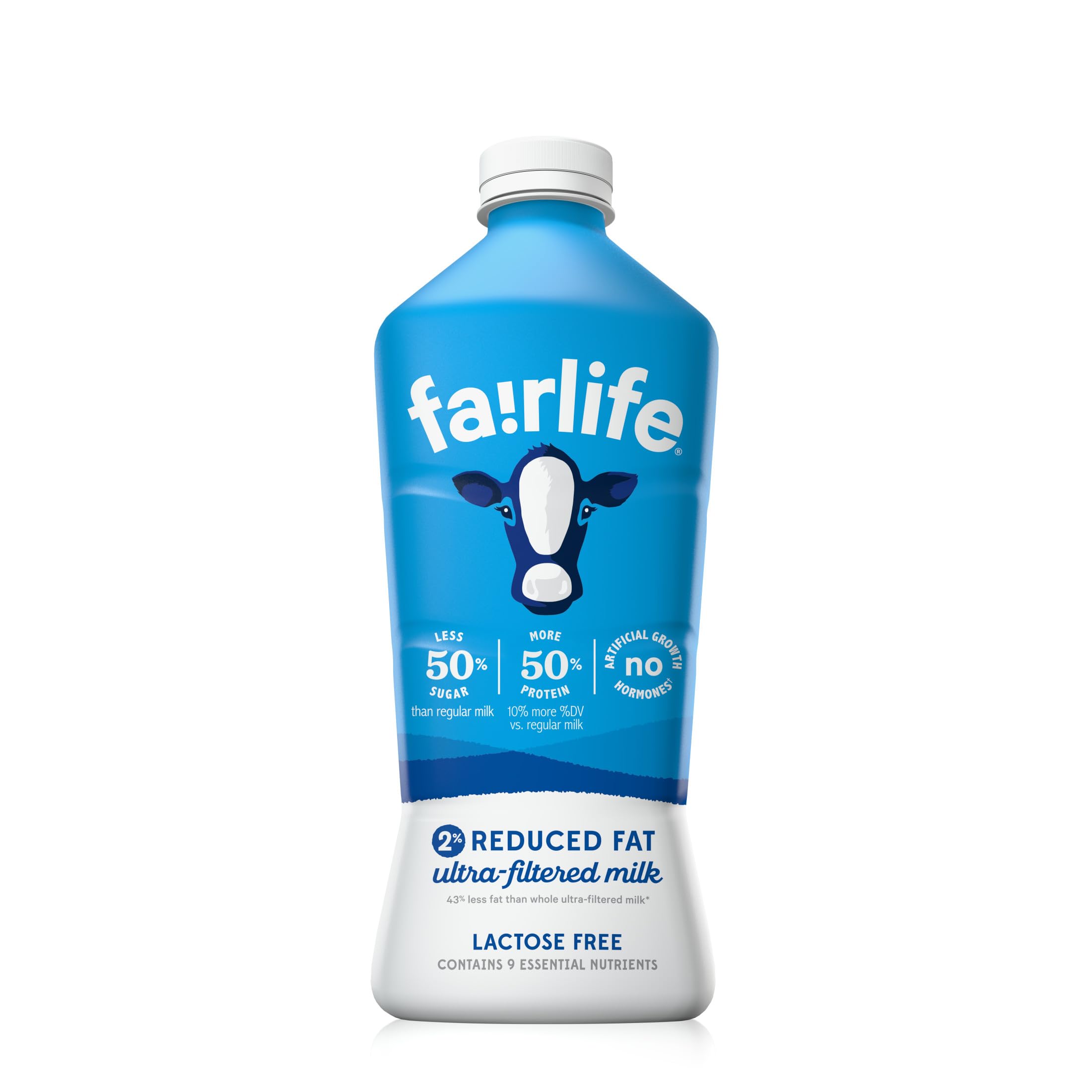
Fairlife 2% Ultra-Filtered Milk
Key Features
- Lactose Content: Lactose-free
- Protein & Sugar: Higher protein, lower sugar
- Age Range: All ages
- Form: Fresh liquid
- Price: Premium
Fairlife’s ultra-filtered process strips lactose while concentrating protein and reducing sugar, leaving a 2% milk with a nutritional profile closer to a protein shake than standard dairy. The texture stays creamy and full-bodied, and kids accustomed to conventional milk don’t notice the swap. Lactose-intolerant households report no digestive complaints, and the flavor stays clean without the slight sweetness some lactose-free alternatives develop. An extended shelf life means fewer half-used cartons thrown out midweek, a practical plus for busy families.
The trade-off is price. Fairlife costs noticeably more per fluid ounce than regular milk, which adds up for households pouring multiple glasses daily. For families managing lactose intolerance alongside a preference for higher protein and lower sugar, the nutritional edge justifies the premium. Parents looking to cut childhood sugar intake without buying specialty protein drinks will find this a simpler, more affordable route than separate supplements. Those whose only concern is a tight grocery budget, or who favor organic certification, may be better served by conventional lactose-free milk or standard 2%.
Pros
- Delivers 50% more protein and 50% less sugar than regular milk, supporting low-carb and high-protein diets.
- Lactose-free formulation tastes identical to regular milk, making it kid-friendly without digestive issues.
- Ultra-filtered process extends shelf life, reducing waste and grocery trips.
Cons
- Premium-priced; costs substantially more than conventional milk, straining weekly grocery budgets.
Buy this if you need a lactose-free milk that boosts protein and cuts sugar for your family. Skip it if grocery budget is the primary concern and lactose intolerance isn’t an issue.
Best for Lactose-Intolerant Kids
Lactaid 2% Lactose-Free Milk
Key Features
- Lactose Content: Lactose-free
- Protein & Sugar: Standard
- Age Range: All ages
- Form: Fresh liquid
- Price: Mid-Range
Lactaid 2% delivers a lactose-free milk that replicates the flavor of conventional dairy so closely that many families report kids can’t tell the difference. Ultra-pasteurization gives it a shelf life weeks beyond standard milk, reducing midweek grocery trips. Where the top pick in this set leans into nutritional upgrades with extra protein and less sugar, Lactaid focuses on pure drinkability and everyday freshness. That makes it the simpler choice when the goal is just serving cereal or a glass of milk without upset stomachs. The trade-off is price: it costs more than regular milk. Families without lactose intolerance won’t see enough value to justify the premium. But for households managing digestive sensitivity, that premium buys reliable comfort and a taste that won’t meet resistance.
Pros
- Tastes virtually identical to regular milk, so kids accept it without fuss.
- Stays fresh for weeks thanks to ultra-pasteurization, cutting down on waste.
- Reliably prevents lactose-related digestive discomfort.
Cons
- Priced above regular milk, which adds up for large families who buy multiple cartons weekly.
Buy this if lactose-free taste and extended shelf life matter more than a protein bump. Skip it if your household tolerates regular milk and you want to keep grocery costs down.
Best for Organic-Preferring Families
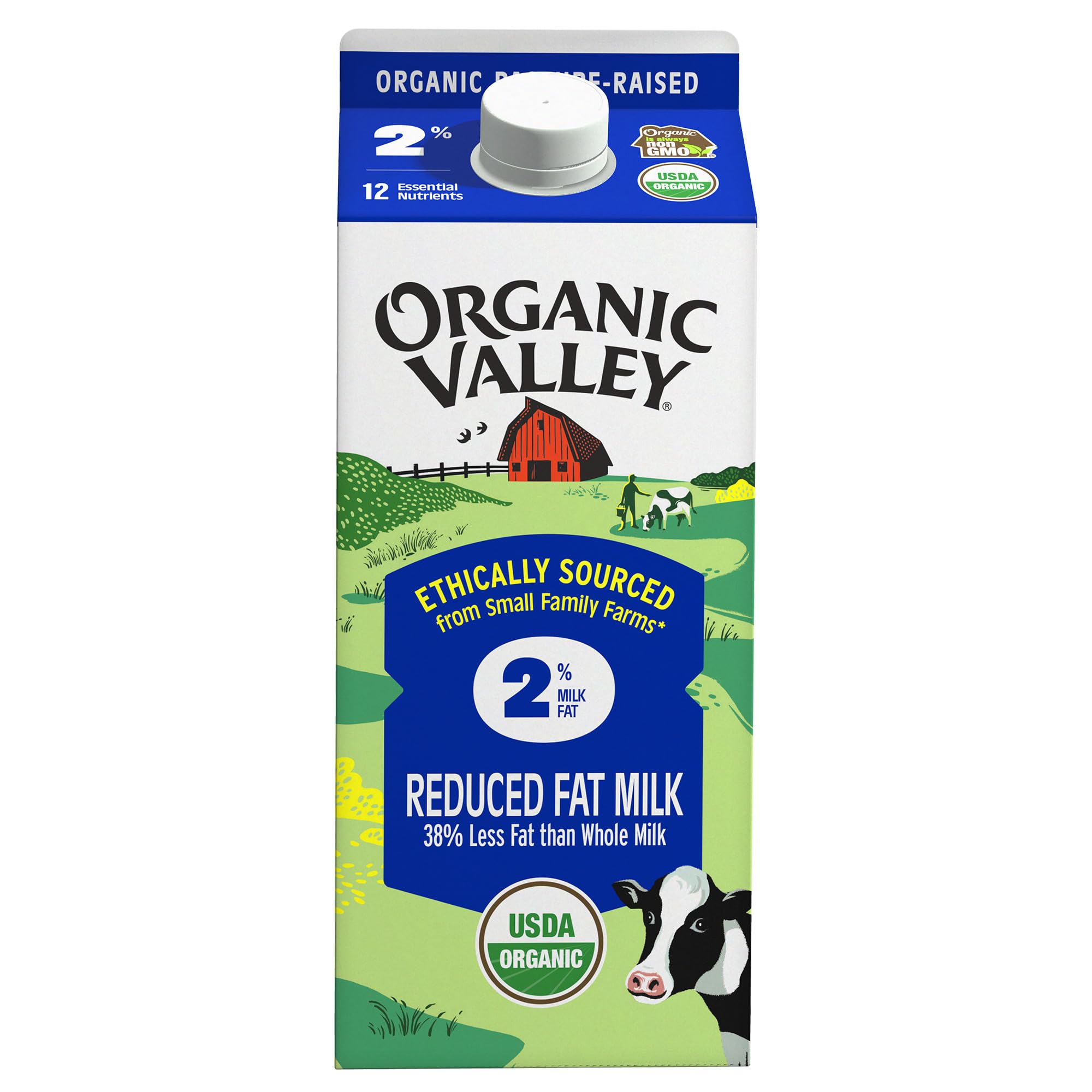
Organic Valley Organic 2% Milk
Key Features
- Lactose Content: Regular
- Protein & Sugar: Standard
- Age Range: All ages
- Form: Fresh liquid
- Price: Premium
Organic Valley’s 2% milk delivers a creamy, not-watery taste that stands out in the organic aisle, and its ultrapasteurization means it stays fresh longer than typical milk — a real advantage for families who don’t finish cartons overnight. Sourced from pasture-raised cows on small family farms, it’s USDA Organic and Non-GMO, free of antibiotics and synthetic hormones. However, it contains lactose and standard milk sugar, so it won’t work for lactose-intolerant kids. The half-gallon size is convenient for smaller households, though those who go through gallons quickly might prefer the bulk organic option in this set. The price is higher than conventional milk, but on par with other premium organic brands; budget-focused shoppers may notice the difference.
Pros
- Creamy, non-watery taste that kids and adults enjoy straight from the glass.
- Sourced from pasture-raised cows on family farms, USDA Organic and Non-GMO.
- Ultrapasteurization extends fridge life, cutting down on mid-week spoilage.
Cons
- Priced higher than conventional milk; some shoppers notice the premium even though most accept it for the quality.
Buy this if you want the freshest-tasting organic milk from pasture-raised cows for daily drinking, and no one in the household is lactose intolerant. Skip it if you need a lactose-free option or a budget-friendly gallon for heavy milk consumption.
Best for On-The-Go Convenience
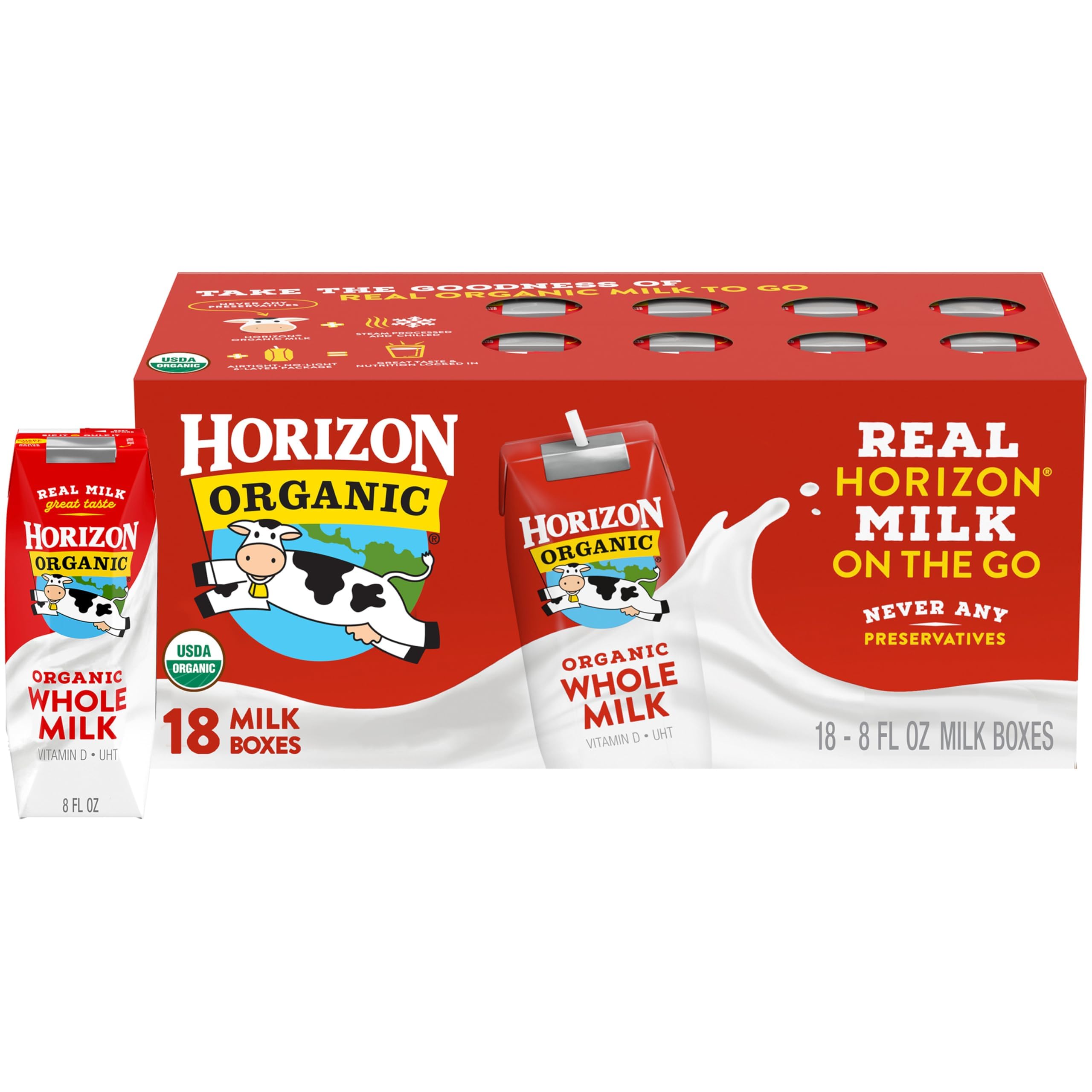
Horizon Organic Shelf-Stable Milk
Key Features
- Lactose Content: Regular
- Protein & Sugar: Standard
- Age Range: All ages
- Form: Shelf-stable box
- Price: Mid-Range
Unlike the more nutritionally optimized top pick, these Horizon boxes trade extra protein and sugar reduction for complete portability. No refrigeration means they stow in the pantry and slip straight into a backpack. Parents packing lunches, heading to the soccer field, or preparing emergency kits will value the single-serve format each box delivers 8g of protein from organic whole milk with no added sweeteners. Shelf life defines its boundary: many deliveries include cartons only weeks from expiration, so bulk buying only makes sense for households that will use them fast. The taste, while generally fine, occasionally registers as less fresh or faintly sweet compared to chilled milk. For families who need a few boxes always ready, the convenience outweighs the compromise. Heavy daily drinkers should stick with refrigerated gallons.
Pros
- Requires no refrigeration — ideal for lunchboxes, camping, and emergency stock.
- Delivers 8g of protein per box from simple organic ingredients.
Cons
- Boxes sometimes arrive with near-term expiration dates.
- Taste can be perceived as less fresh or slightly sweet by some.
Buy this if you need portable, non-refrigerated milk for lunches, travel, or power outages. Skip it if your household drinks milk quickly or prefers the fresh taste of refrigerated gallons.
Best for Allergy-Friendly Households
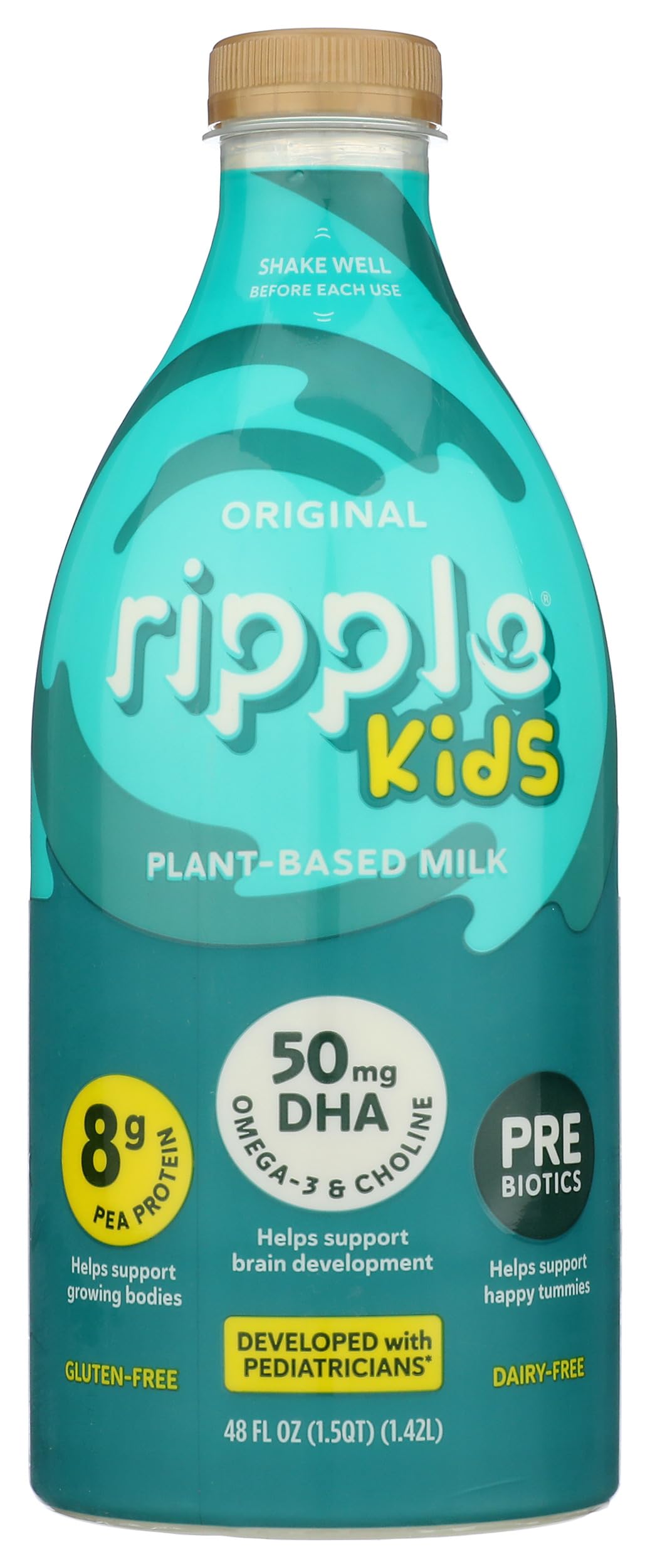
Ripple Kids Pea Milk
Key Features
- Lactose Content: Lactose-free
- Protein & Sugar: Standard
- Age Range: All ages
- Form: Fresh liquid
- Price: Premium
Unlike the top pick’s lactose-free dairy base, Ripple Kids eliminates dairy, nuts, and soy entirely — a lifeline for children juggling multiple food allergies. The pea protein formula matches whole milk’s creaminess and surpasses it with 50% more calcium, plus DHA and prebiotics parents reported improved digestion. Kids with dairy or nut allergies find a safe, enjoyable taste, though the slightly thicker consistency can be a hurdle for those used to thin cow’s milk. The premium price reflects its specialized formulation; families without strict dietary needs may find more affordable dairy or lactose-free options. But for allergen-free nutrition that supports growth, it fills a gap few alternatives cover.
Pros
- Nutrient-rich with protein, calcium, and DHA
- Effective for children with dairy or nut allergies
- Great taste for a plant-based milk, similar to dairy
Cons
- Premium price compared to dairy milk may stretch budgets
- Slightly thicker texture may not appeal to all kids
Buy this if your child requires a dairy-, nut-, and soy-free milk alternative with high calcium and DHA. Skip it if your budget is tight and your child prefers the thin consistency of cow’s milk.
Best for Brain Development Support
Enfagrow Premium Toddler Drink
Key Features
- Lactose Content: Regular
- Protein & Sugar: Standard
- Age Range: 12-36 months
- Form: Powder
- Price: Premium
Enfagrow’s brain-focused formula fills a specific gap: delivering DHA, iron, and protein in a drink many toddlers accept. Compared to the powdered toddler milk in our lineup, it offers smoother mixing and a taste that even picky eaters often welcome. The trade-off is a higher cost per serving, and some parents will balk at corn syrup solids and vegetable oils on the ingredient list. It’s best suited for families adding targeted cognitive nutrients to a toddler’s diet, especially during the transition from infant formula. Budget shoppers or those prioritizing a clean-label drink should look elsewhere.
Pros
- Supports brain development with DHA and iron in every serving
- Pleasant taste that toddlers, including picky eaters, enjoy
- Blends smoothly into water or other liquids without clumping
Cons
- Premium price per can; the cost adds up quickly with daily use
- Contains corn syrup solids and vegetable oils, not a clean label
Buy this if you want a toddler drink with added DHA and iron that picky eaters will actually drink. Skip it if you prioritize a short, clean ingredient list and a lower price per serving.
Best for Budget Toddler Milk
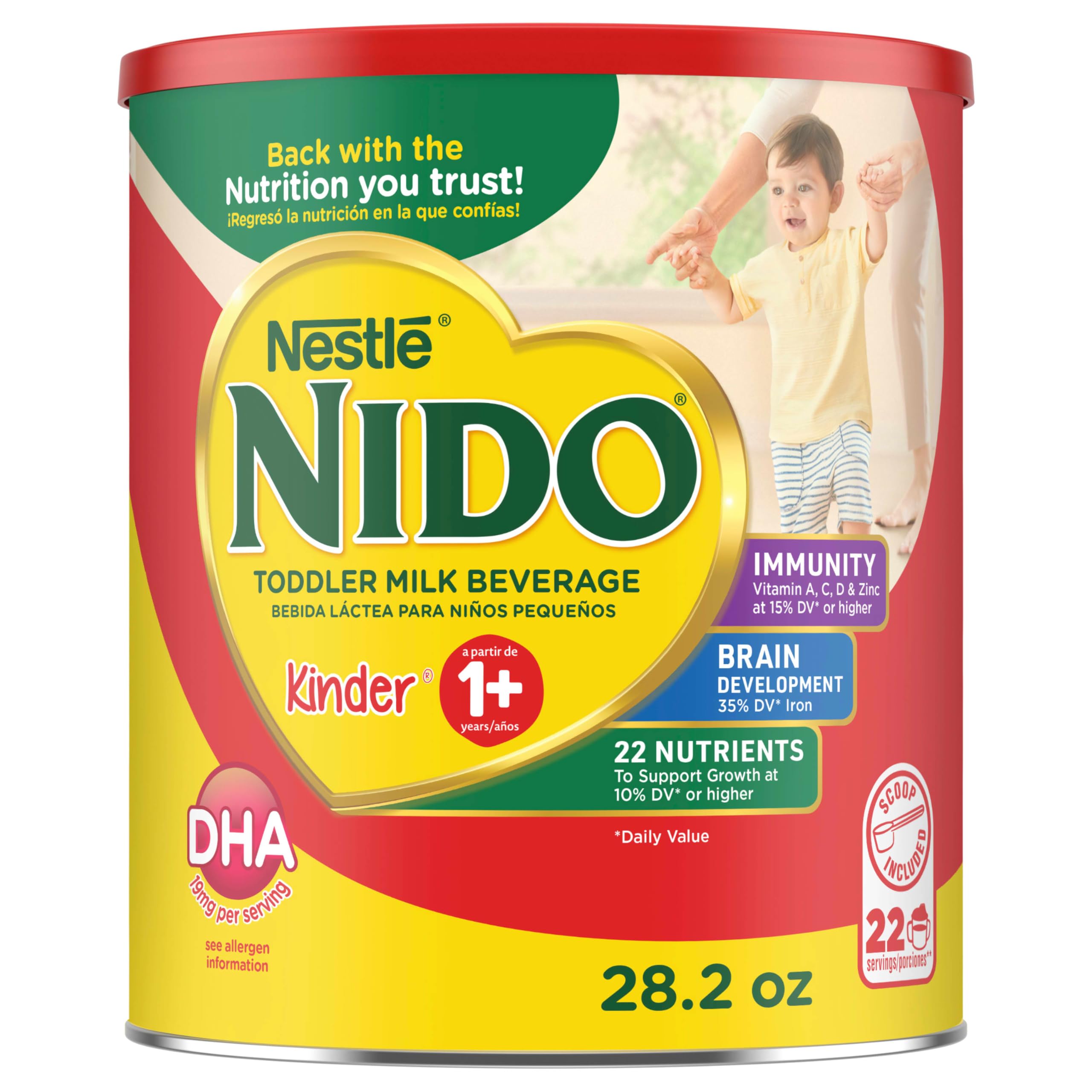
Nido Kinder 1+ Powdered Milk
Key Features
- Lactose Content: Regular
- Protein & Sugar: Standard
- Age Range: 1-3 years
- Form: Powder
- Price: Budget
Nido Kinder 1+ offers a cost-effective, shelf-stable milk powder with vitamins and a honey taste that pleases many toddlers. The trade-off: it contains added sugars and vegetable oils, making it less appealing for parents who seek minimal ingredient formulas. It’s a pragmatic choice for budget-conscious transitions but not a clean-label option.
Pros
- High-quality, fortified milk at a budget-friendly price
- Honey flavor that toddlers enjoy
Cons
- Contains added sugars and vegetable oils, which some parents avoid
Worth considering if you want a budget-friendly, shelf-stable powdered milk for a 1–3 year-old and don’t mind the added sugars and vegetable oils.
Best for Clean Goat Milk
Bubs Goat Toddler Formula

Key Features
- Lactose Content: Regular
- Protein & Sugar: Standard
- Age Range: 12-36 months
- Form: Powder
- Price: Premium
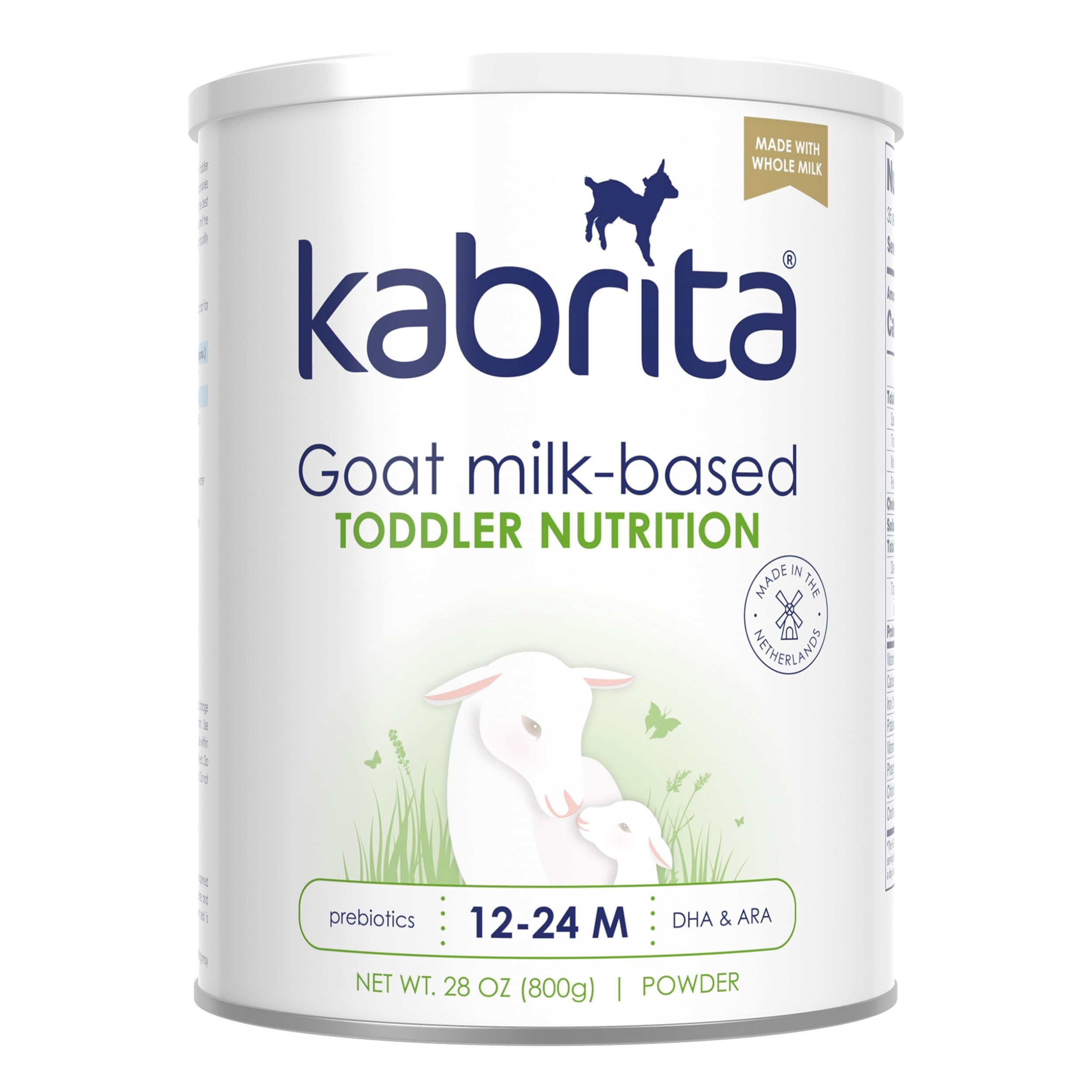
Bubs Goat Toddler Formula offers clean-label A2 goat milk without GMOs or artificial additives, appealing for toddlers with cow milk sensitivity. Compared to Kabrita, it costs slightly less but has a smaller user base and occasional reports of strong-smelling spit-up. The premium price may give pause when well-established alternatives exist.
Pros
- Clean-label formula with no GMOs, artificial colors, flavors, or preservatives.
- A2 goat milk base may reduce digestive discomfort for toddlers sensitive to cow milk.
Cons
- Occasional reports of strong-smelling spit-up; a trade-off for sensitive stomachs.
Worth considering if you want a clean-label goat milk toddler formula at a slightly lower cost than Kabrita and are aware of the occasional spit-up odor.
Best for Bulk Organic Milk
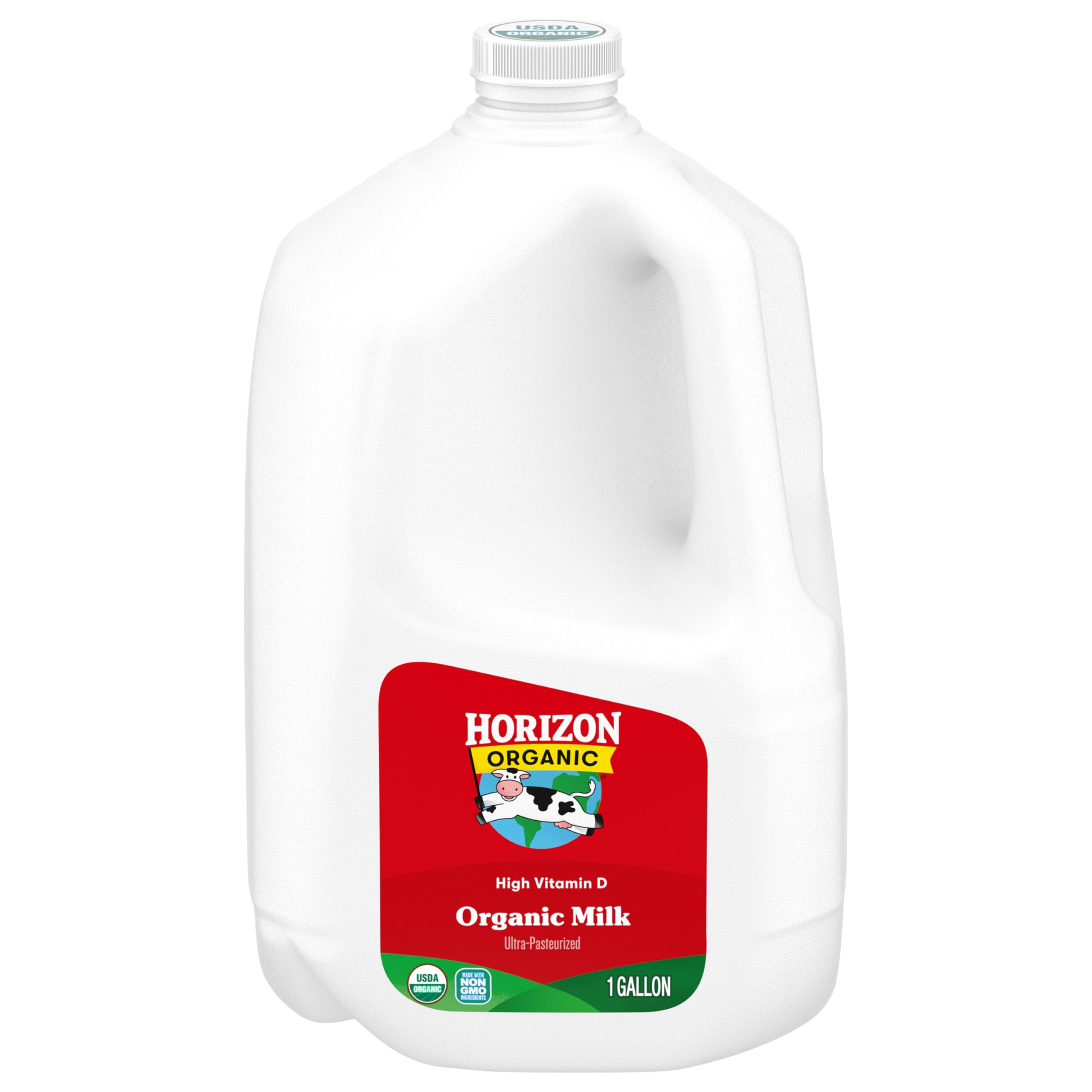
Horizon Organic Vitamin D Milk
Key Features
- Lactose Content: Regular
- Protein & Sugar: Standard
- Age Range: All ages
- Form: Fresh liquid
- Price: Premium
This Horizon Organic gallon delivers creamy, USDA Organic milk with extra vitamin D and a shelf life that keeps for weeks, ideal for families who drink a lot. However, the higher price per gallon compared to other organic milks and the lack of portability mean the smaller single-serve boxes often make more sense for most buyers, limiting this bulk option’s appeal.
Pros
- Stays fresh for weeks, minimizing last-minute grocery runs.
- Rich, creamy taste that kids and adults enjoy.
Cons
- Higher cost per gallon compared to other organic and conventional options.
Worth considering if your family goes through a gallon each week and values extra vitamin D and long shelf life over a lower price or single-serve portability.
Best for Occasional Treat
Nesquik Chocolate Lowfat Milk

Key Features
- Lactose Content: Regular
- Protein & Sugar: Standard
- Age Range: All ages
- Form: Ready-to-drink shelf-stable
- Price: Budget
A portable, shelf-stable chocolate milk that kids genuinely enjoy, thanks to its familiar Nesquik flavor and no high fructose corn syrup. It’s an easy lunchbox addition or travel companion. However, the sugar content pushes it firmly into occasional-treat territory, and some children detect an artificial aftertaste. Those factors kept it from rising above also-consider status.
Pros
- No refrigeration needed; toss in a lunchbox or bag for on-the-go convenience.
- Shelf-stable until opened, making it a handy pantry staple.
Cons
- Some children find the chocolate flavor artificial or overly sweet.
- Bottles can be hard for younger kids to open independently.
Buy this if you need a shelf-stable, grab-and-go chocolate milk for occasional treats. Skip it if you’re limiting daily sugar or prefer a less sweet, more natural flavor.
How to Choose
The right milk hinges on matching its protein, sugar, and lactose profile to your child’s digestive tolerance and growth stage, not on organic certifications alone.
Lactose Content
If your child has trouble with regular milk, lactose-free options that use ultra-filtration or the lactase enzyme can offer the same taste and nutrients without stomach upset. True lactose-free dairy still contains milk proteins, so it won’t work for a milk protein allergy. For kids who digest lactose well, regular milk is equally nutritious and typically cheaper.
Protein & Sugar Levels
Standard milk has about 8g protein and 12g sugar per cup. Some brands deliver up to 50% more protein and half the sugar through ultra-filtration, which helps keep picky eaters full and supports growth without a sugar spike. If milk is a major part of your child’s diet, the extra protein and lower sugar make a meaningful difference.
Organic Certification
Organic certification ensures no antibiotics, growth hormones, or GMO feed, which gives peace of mind on additives. It doesn’t guarantee higher protein, lactose-free properties, or better taste. Freshness and flavor often depend more on pasteurization method, so let your child’s palate confirm whether the premium is worth it.
Age-Appropriateness
Regular cow’s milk is fine for children over 12 months, but toddler formulas are fortified with extra iron, DHA, and vitamins that can bridge nutritional gaps for picky eaters. Powdered or liquid toddler drinks cost more per serving, so use them as a short-term supplement, not a long-term sole source of nutrition.
Form Factor
Fresh, refrigerated milk usually tastes best for daily drinking, but shelf-stable single-serve boxes or powdered options are lifesavers for travel, daycare, and emergencies. Shelf-stable products may arrive with a closer expiration date than expected; buy only what you’ll use within a few weeks and store them in a cool place.
FAQ
Can I use toddler formula instead of regular milk for my 2-year-old?
Yes, toddler formulas are designed for ages 12–36 months and provide extra iron, DHA, and vitamins. However, they tend to cost more and often include added sugars or vegetable oils. If your child eats a well-rounded diet, regular milk is sufficient; use toddler formula as a nutritional safety net for genuinely picky eaters.
Why does my shelf-stable milk have a shorter expiration date than expected?
Shelf-stable milk is ultra-pasteurized for a long unopened life, but the date depends on packaging and storage. Retailers may ship stock with only a few weeks to a couple months remaining. To avoid waste, order shelf-stable milk in amounts you know you’ll finish before the stamped date and store it in a cool, dry spot.
Is goat milk formula really easier to digest than cow milk for babies?
Goat milk has A2 beta-casein protein and smaller fat globules, which can be gentler for some babies with cow milk protein sensitivity. It is not lactose-free, so it won’t help with lactose intolerance. Many sensitive infants do well on goat milk, but for a diagnosed cow milk allergy, consult your pediatrician before switching.
What’s the difference between lactose-free milk and regular milk for kids?
Lactose-free milk is real dairy with the sugar lactose broken down by the lactase enzyme, making it digestible for those with lactose intolerance. It delivers the same protein, calcium, and vitamin D as regular milk, often tasting slightly sweeter. If your child handles lactose fine, regular milk offers identical nutrition at a lower price.