This post contains affiliate links. We may earn a small commission when you buy through our links — at no extra cost to you.
The baby food aisle can feel like a puzzle of stage numbers, organic seals, and pouch-versus-tub debates. But the real challenge isn’t identifying ‘natural’ labeling—it’s finding purees that actually match your baby’s developmental stage and your daily rhythm, whether you’re spoon-feeding at home or tossing a pouch into a diaper bag.
As your baby progresses from first tastes to mixed blends and later toddler snacks, the trade-offs shift: convenience vs. ingredient control, fruit-heavy variety packs vs. veggie balance, bulk value vs. shelf-life risk. This guide sorts through those tensions without overcomplicating the choice. We’ll walk you through which purees deliver genuine flavor variety, clean ingredients, and resealable packaging—and which ones are better suited for specific situations like constipation relief.
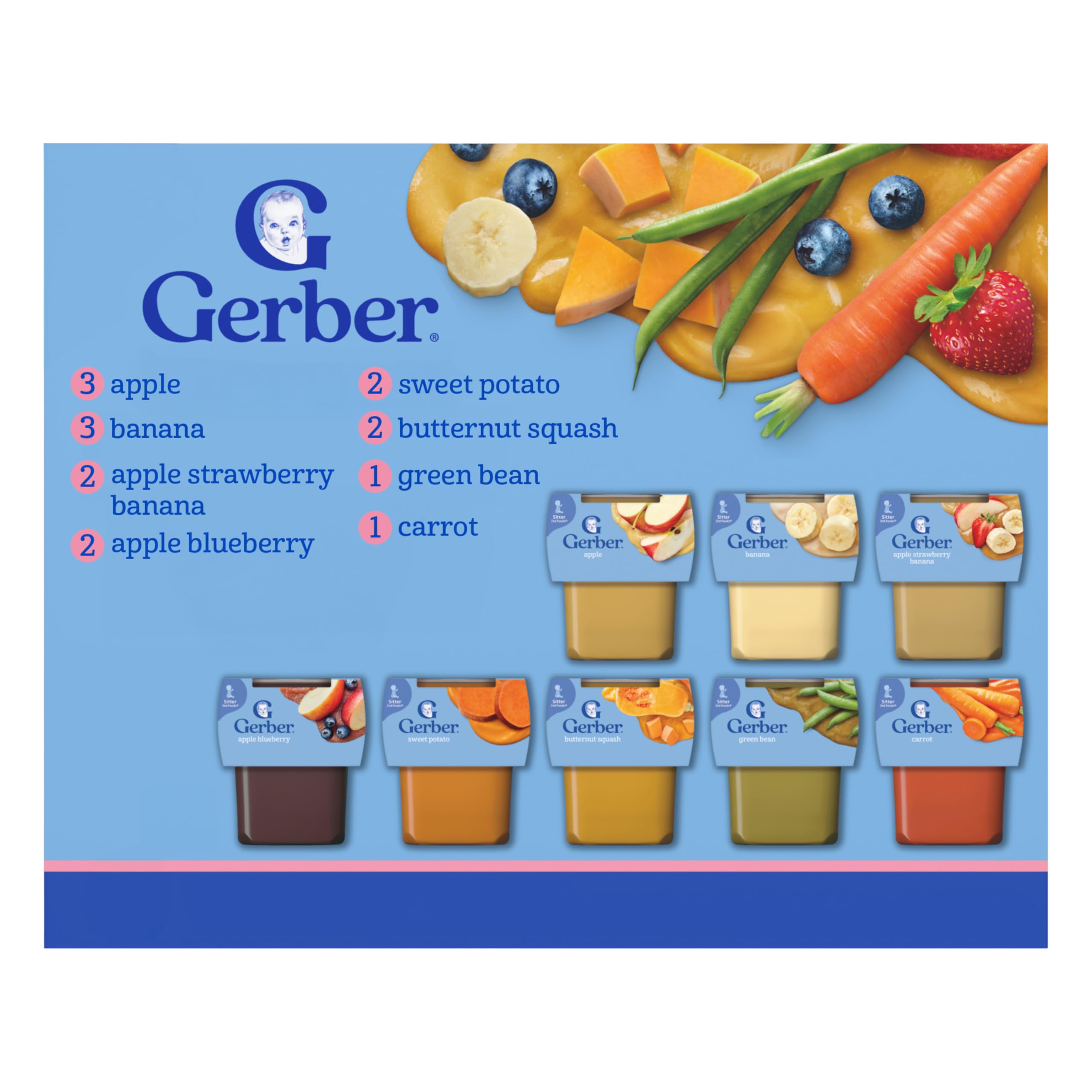



Best for Stage 2 Variety
2nd Foods Variety Pack
Key Features
- Stage: 2
- Format: 8-oz tubs
- Organic & Ingredients: Non-organic, no added sugars/salt
- Flavor Variety: 8 flavors, fruit-focused
- Resealability & Portability: Non-resealable tubs, home use
- Price: Mid-Range
The 32-tub variety pack spans eight flavor combinations—apple, banana, sweet potato, butternut squash, and more—with no added sweeteners, salt, or artificial colors. Parents stocking up for home meal prep will find the 8-ounce tubs easy to portion and mix, though the assortment is fruit-dominated, so you may want to add extra vegetable-only tubs for balance.
Best for families moving into Stage 2 who want a large, all-in-one puree supply and prefer tubs over pouches. Before serving, check expiration dates and inspect for dents, as some shipments arrive with short shelf windows.
Pros
- Great value for a diverse 32-tub variety pack
- No artificial colors, flavors, or added sweeteners
- Broad mix of fruit and veggie flavors encourages stage 2 exploration
Cons
- Flavor assortment leans heavily fruity, with fewer vegetable options
- Occasional shipments arrive with short expiration windows or dented tubs
Buy this if you want a cost-effective, ready-to-serve bulk puree stash with a variety of flavors for at-home Stage 2 feeding. Skip it if you need organic certification, resealable pouches, or a balanced fruit-to-veggie ratio out of the box.
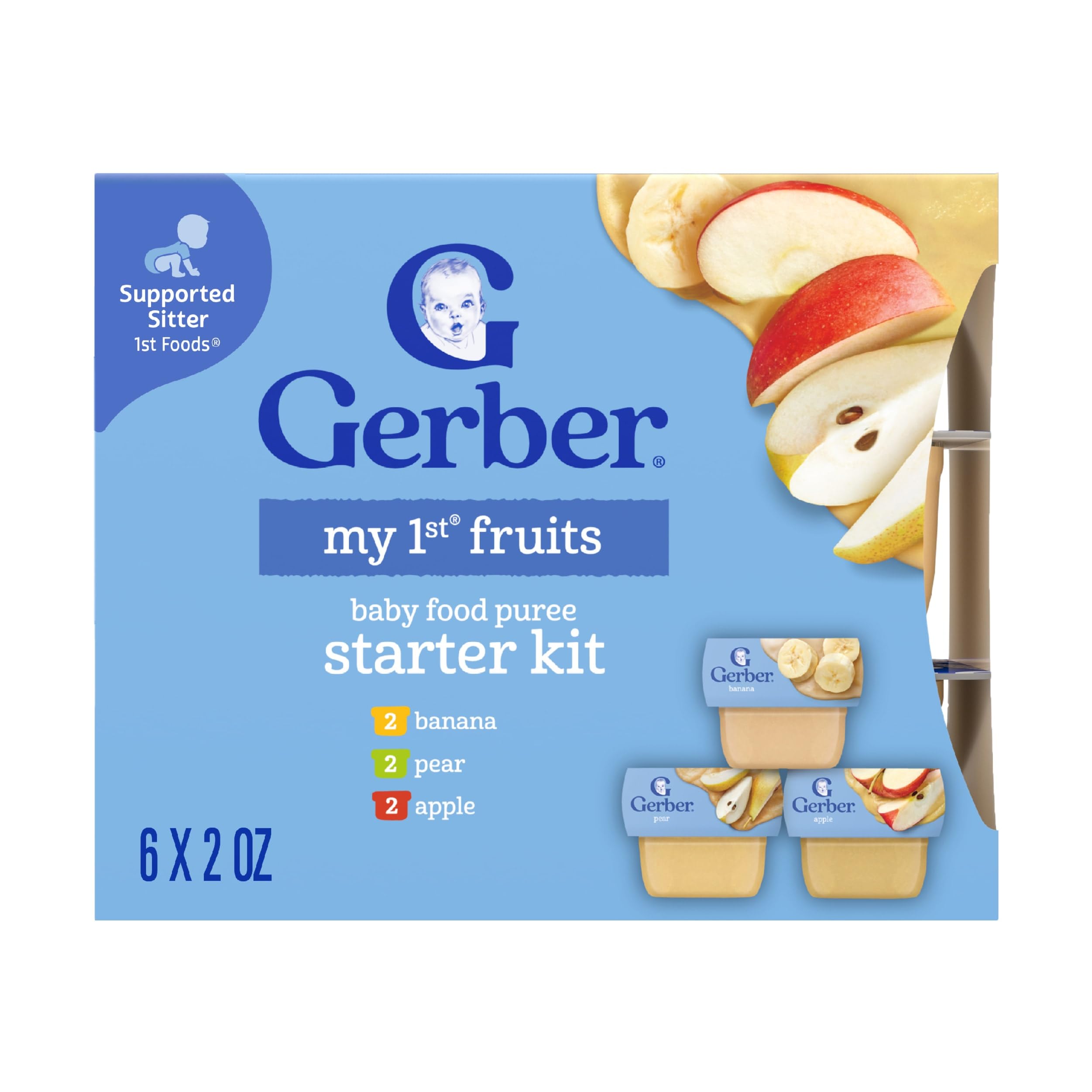
Best for First Solids
My 1st Fruits Starter Kit
Key Features
- Stage: 1
- Format: 2-oz tubs
- Organic & Ingredients: Non-organic, unsweetened
- Flavor Variety: 3 single-fruit flavors
- Resealability & Portability: Non-resealable tubs, home use
- Price: Budget
This starter kit counters the top pick’s bulk variety with three simple, single-fruit purees in 2-ounce tubs—perfect for allergy testing and tiny first meals. The smooth texture and mild flavors go over well, and the per-serving cost is budget-friendly. However, some batches can be notably runny, and the foil seal isn’t resealable; you’ll need to buy separate lids if you don’t finish a container in one go. It’s a smart pick for parents just introducing solids who want to isolate ingredients, but the lack of organic certification and pouch portability make it less suited for on-the-go feeding or a varied toddler diet.
Pros
- Smooth texture that babies accept with minimal fuss
- Low per-serving cost makes early solids experimentation affordable
- Tiny 2-ounce portions minimize waste and allow ingredient isolation
Cons
- Occasional thinner batches can surprise new feeders with increased mess
- Tubs lack a resealable lid; leftovers require separate storage lids
Buy this if you’re introducing solids and need single-fruit purees in tiny portions for allergy testing. Skip it if you need resealable pouches or a bulk variety of flavors.
Best for Constipation Relief
Plum Organics Just Prunes
Key Features
- Stage: 1
- Format: Resealable pouch, 3.5 oz
- Organic & Ingredients: USDA Organic, prune + water
- Flavor Variety: Single-flavor prune
- Resealability & Portability: Resealable, portable
- Price: Mid-Range
Plum Organics Just Prunes is the targeted constipation remedy—not a general sampler. Unlike the other single-ingredient prune pouch in this set, which showcases visible puree and has a slight sour tang, these pouches deliver a sweeter, kid-friendly prune taste that 94% of parents found positive. Each 3.5 oz pouch contains only organic prune paste and water, no added sugars or salt. The resealable design keeps the puree ready for multiple uses. The consistency is noticeably thinner than some other brands, which a few parents prefer for easier draining, but may drizzle faster from the pouch. This 12-pack suits caregivers tackling occasional constipation without resorting to artificial remedies, especially when portability matters.
Pros
- Naturally sweet prune taste that even picky eaters enjoy
- Effectively relieves occasional constipation in infants and toddlers
- Clean, two-ingredient organic recipe with no added sugar or salt
Cons
- Thinner consistency than some brands; can drip from the pouch faster than thicker purees
Buy this if you want an effective organic prune puree for constipation that’s always ready in a resealable pouch. Skip it if you need thicker texture or a variety of flavors.
Best for Organic On-The-Go
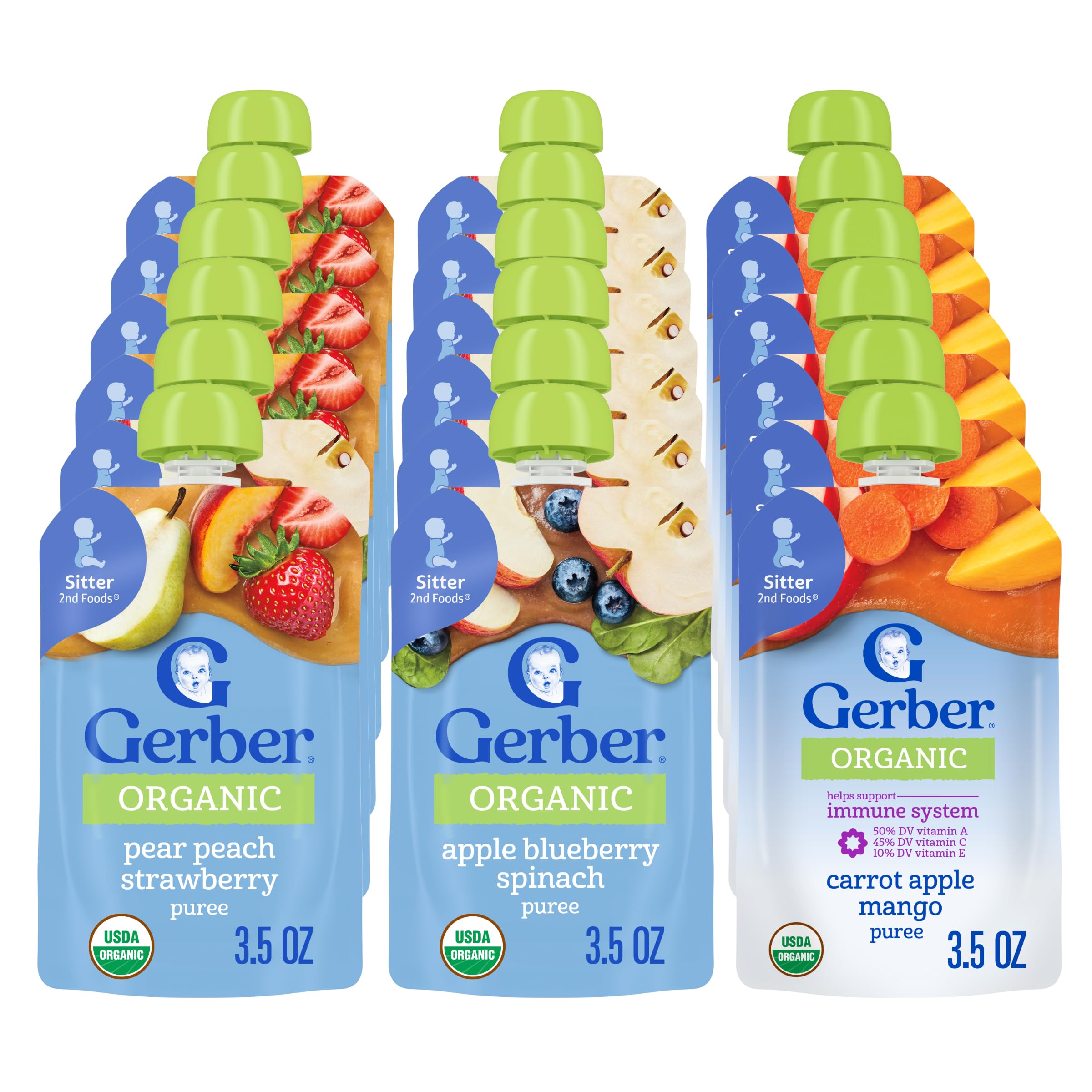
Gerber Organic Pouches Variety
Key Features
- Stage: 2
- Format: Resealable pouch, 3.5 oz
- Organic & Ingredients: USDA Organic, no added sweeteners
- Flavor Variety: 3 fruit-veggie blends
- Resealability & Portability: Resealable, portable
- Price: Mid-Range
Unlike the top pick’s bulk tubs for home meals, this set offers organic ingredients in resealable pouches built for travel. Babies enjoy the three fruit-veggie blends, and the per-pouch cost is competitive for organic options. The main limitation is the pouch’s sensitivity to enthusiastic squeezing, which can lead to messes before babies learn to control it. This pack suits organic-focused families who want grab-and-go stage 2 meals and are willing to assist with the pouch.
Pros
- Three fruit-veggie blends that babies enjoy
- USDA Organic ingredients with no added sweeteners
- Resealable pouches for convenient travel feeding
Cons
- Pouches can be messy if a young baby squeezes too hard
Buy this if you need organic, portable stage 2 meals in resealable pouches at a competitive price. Skip it if you prefer larger bulk tubs for home feeding or are feeding a very young baby prone to dramatic squeezing.
Best for Ingredient Transparency
Happy Baby Stage 2 Variety
Key Features
- Stage: 2
- Format: Resealable pouch, 4 oz
- Organic & Ingredients: USDA Organic, transparent packaging
- Flavor Variety: Mixed fruit-veggie blends
- Resealability & Portability: Resealable, portable
- Price: Mid-Range
The clear pouch lets you see the vibrant puree, giving parents confidence in what they’re feeding. Flavors like apple/kale/avocado earn consistent smiles from babies. However, a 10-count pack costs notably more per pouch than Gerber’s bulk organic tubs or larger pouch packs. This set fits families who prioritize ingredient transparency and travel convenience over the lowest cost per serving. If you’re stocking up for daily home meals on a budget, the per-pouch math works against you.
Pros
- Flavor variety that babies eagerly eat
- USDA organic ingredients with no added fillers
- Transparent packaging reveals the puree inside, building trust
Cons
- Higher cost per pouch compared to bulk organic alternatives
Buy this if you want grab-and-go organic pouches with visible ingredients and can accept a premium per serving. Skip it if you’re stocking a pantry on a tight budget and need the lowest cost per ounce.
Best for Toddler Protein Boost
Happy Tot Fiber Protein
Key Features
- Stage: Toddler (2+)
- Format: Resealable pouch, 4 oz
- Organic & Ingredients: USDA Organic, protein + fiber
- Flavor Variety: Fruit-veggie blends
- Resealability & Portability: Resealable, portable
- Price: Mid-Range
Happy Tot’s Stage 4 pouches add plant-based protein and fiber to fruit-and-veggie blends, a feature most baby purees lack. The pear-pea-spinach mix tastes sweet enough for picky eaters, and the resealable 4-oz pouches need no fridge. The downside: pea protein leaves a slight grit and can separate into a crusty top layer. Shake hard and serve in a bowl to smooth out the texture. This is a solid mini-meal for active toddlers who need more staying power between meals, but if your child rejects any grit, skip this and stick to smoother puree pouches.
Pros
- Tasty pear-pea flavor that even picky toddlers enjoy
- Resealable 4-oz pouch travels without chilling
- Organic pea protein and fiber help keep active tots fuller longer
Cons
- Pea protein leaves a gritty texture and can separate into a crusty top layer under the cap
Buy this if your toddler needs a protein-fiber boost in a portable pouch; skip it if they’re sensitive to even slight grittiness.
Best for Constipation Aid
Happy Baby Prunes Pouches

Key Features
- Stage: 1
- Format: Resealable pouch, 3.5 oz
- Organic & Ingredients: USDA Organic, transparent, prune
- Flavor Variety: Single-ingredient prune
- Resealability & Portability: Resealable, portable
- Price: Mid-Range
This 100% organic prune pouch provides effective digestive relief with a transparent design that lets you see the puree before serving. Some babies notice a slightly sour taste. While it works as well as the leading prune option, fewer real-world reviews keep it a step behind.
Pros
- Relieves constipation with 100% organic prunes
- Transparent packaging shows the puree before feeding
Cons
- Some babies find the puree slightly sour
Worth considering if you need a transparent, organic prune pouch for digestive relief and can overlook a slightly tart taste.
How to Choose
Start by matching the puree’s stage and format to your baby’s age and feeding context, because a stage-1 prune pouch solves a different problem than a 32-tub variety pack for stage 2.
Stage: Match Your Baby’s Developmental Window
Stage 1 purees are smooth, single-ingredient foods for babies just starting solids (around 4–6 months). Stage 2 introduces slightly thicker mixed blends for babies who have mastered swallowing, typically 6–9 months. Toddler pouches (often labeled Stage 4) add ingredients like pea protein and fiber for children 2+. Using a stage too advanced can cause gagging, so follow your baby’s actual eating skills rather than age alone.
Format: Tubs vs. Pouches
Tubs offer a low per-serving cost and a familiar spoon-feeding ritual, but most aren’t resealable and require separate lids. Pouches are resealable, mess-free, and easy to toss in a bag, yet young babies often squeeze too hard and create spills. If most feeding happens at home, tubs can save money; if you’re often out, pouches earn their keep.
Organic & Ingredient Simplicity
Organic certification means the produce was grown without synthetic pesticides or GMOs, but many non-organic options also skip artificial additives. Short ingredient lists with whole fruits and vegetables are a stronger indicator of quality than the organic seal alone. Transparent packaging lets you see the puree before buying, giving extra confidence the texture is what you expect.
Flavor Variety & Vegetable Balance
Mixed variety packs almost always lean fruit-heavy because baby palates favor sweetness. For a truly balanced introduction, check the flavor list and consider buying dedicated veggie purees separately. Single-ingredient jars are also ideal for allergy testing, while blends streamline busy mealtimes.
Resealability & On-the-Go Use
Pouches are inherently portable and can be sealed mid-snack without a spoon. Tubs are at home at the dining table but demand extras like lids and a bowl for storage. If you plan to feed in a stroller or backseat, resealable pouches cut down on cleanup and keep leftovers for later.
FAQ
Why does my baby food pouch have a gritty texture?
Grit usually comes from added pea protein or fiber in toddler-stage pouches. The protein can separate and create a grainy or crusty layer. Shaking well before serving helps, but if your child dislikes the texture, stick with smoother purees that don’t include protein additives.
Are Gerber baby puree tubs resealable?
Most Gerber tubs use a one-time-use foil seal and lack a built-in resealable lid. You’ll need to buy separate reusable lids or transfer leftovers to a small container. If resealability is a priority, pouches skip this extra step entirely.
How can I use baby puree to help with constipation?
Prune-based purees deliver natural sorbitol and fiber that gently keep things moving. Offer a few spoonfuls or a pouch as a snack alongside extra water. Start with a small serving and increase gradually to avoid loose stools.
What is the difference between Stage 1 and Stage 2 baby purees?
Stage 1 purees are thin, single-ingredient foods for first solids (around 4–6 months). Stage 2 blends combine ingredients, have a slightly thicker texture, and suit babies who have mastered swallowing. Trying a stage too advanced can cause gagging, so let your baby’s readiness guide the switch.
Why do mixed puree packs contain so many fruit flavors?
Manufacturers lean on naturally sweet fruits to create blends babies accept readily. If you want a more balanced vegetable introduction, buy plain veggie purees separately or scrutinize ingredient lists. Many families find they need to supplement fruit-heavy packs with extra veggie jars.