This post contains affiliate links. We may earn a small commission when you buy through our links — at no extra cost to you.
Every organic diaper brand markets itself as leak-proof and plant-based. Yet any parent who’s switched from conventional knows the reality: some hold beautifully, others soak through in an hour. The gap between label claims and lived experience is wide.
Sizing is the hidden variable. Weight ranges on eco-friendly diapers often run large or small, turning a perfect fit into a guessing game. And softness doesn’t always mean absorbency – the materials that feel gentle on skin can fail when a baby sleeps ten hours.
This guide focuses on five proven performers across different budgets and use cases. Each one earns its recommendation by combining honest sizing, consistent leak protection, and verified material safety – so you can match a diaper to your baby’s actual shape and daily routine.


Best for Non-Toxic, Daytime Use
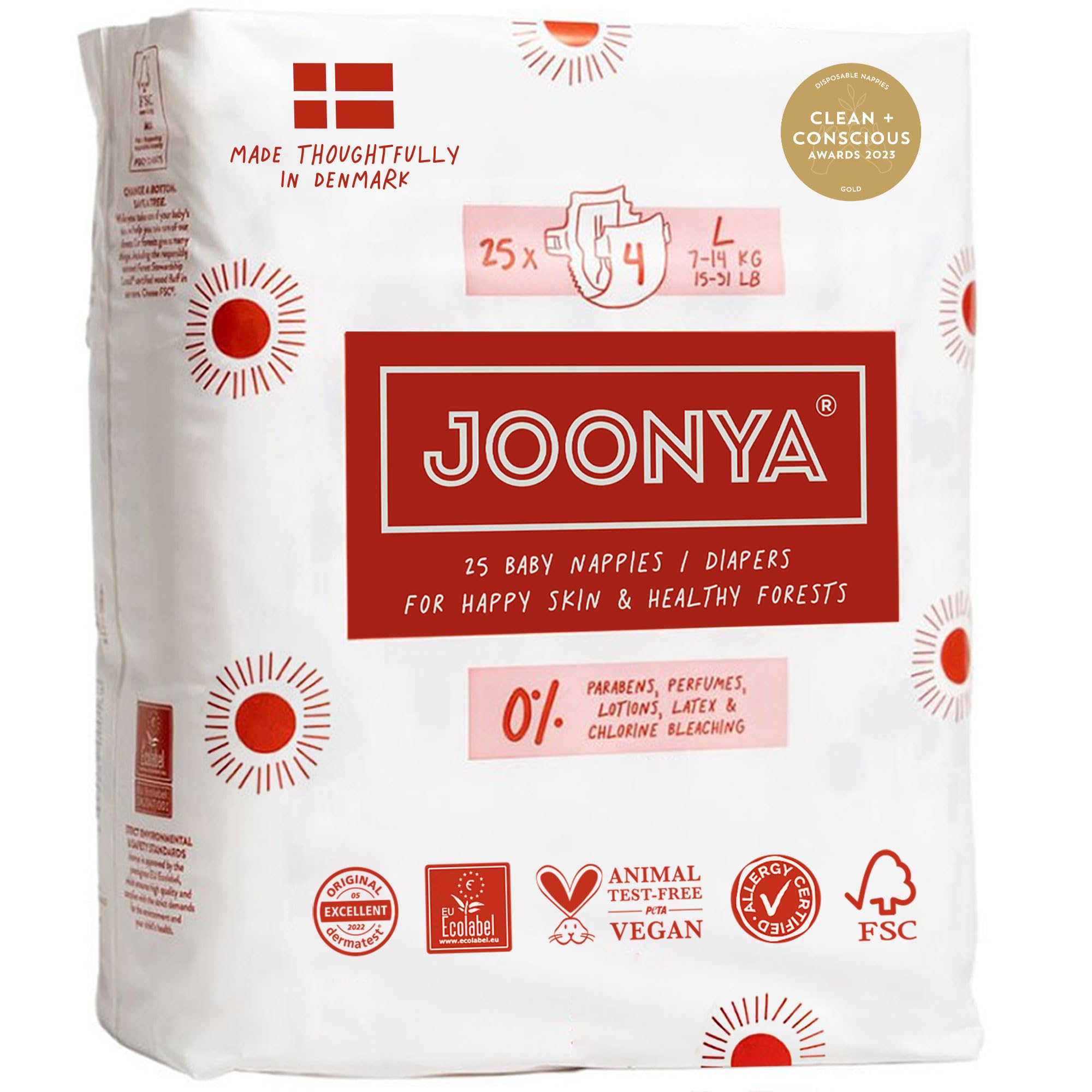
Joonya Size 4 Diapers
Key Features
- Leak Protection: 82% positive, daytime
- Absorbency: Good daytime, moderate night
- Fit Consistency: May run large/small
- Material Safety: Corn starch PLA, FSC fluff
- Tab Durability: No complaints reported
- Price: Premium
Joonya’s corn-starch PLA top sheet and FSC-certified fluff create a soft, well-constructed diaper. Published lab results back its non-toxic claims, and the diaper delivers dependable containment through daytime wear and moderate overnight stretches.
This premium-priced option suits parents who value material transparency over cost. The 25-count bag carries a higher per-diaper cost, and absorbency may not cover heavy overnight wetters — those needing 10+ hours of capacity should look for a dedicated overnight diaper. Fit variability is also worth checking: some babies may need a different size or brand.
Pros
- Consistent leak protection for daytime and moderate overnight use
- Non-toxic materials verified by published lab results
- Soft, durable construction with plant-based materials
Cons
- Fit can run large or small depending on baby’s body shape
- Capacity may not last through heavy overnight sessions
If you want a diaper with third-party verification of its non-toxic claims and don’t need maximum overnight capacity, Joonya delivers dependable daytime performance at a premium price.
Best for Daytime, Sensitive Skin
Earth & Eden Newborn
Key Features
- Leak Protection: 37% negative, daytime
- Absorbency: Decent for regular changes
- Fit Consistency: True to size
- Material Safety: Cotton-enhanced, chlorine-free
- Tab Durability: No complaints reported
- Price: Budget
The cotton-enhanced layer and hypoallergenic materials make this one of the softest budget-friendly eco diapers available. It delivers good absorbency for regular daytime changes, though leakage can occur during extended wear or overnight. At a budget-friendly price, it undercuts most eco competitors. This diaper suits cost-conscious parents who want a safe, gentle option for daytime use and are willing to change frequently — those needing overnight protection should look to the top pick.
Pros
- Cost-effective option for eco-conscious families
- Cotton-enhanced layer feels gentle on sensitive skin
- Good absorbency for daytime use with regular changes
Cons
- During extended wear or overnight sessions, leakage may become an issue
- Out of the box, a slight plastic-like odor may be noticeable
A solid daytime diaper for budget-focused parents who prioritize softness and hypoallergenic materials over overnight leak protection.
Best for Overnight, Heavy Wetters
Honest Overnight Size 4
Key Features
- Leak Protection: 69% positive, overnight
- Absorbency: 10-12 hours claimed
- Fit Consistency: Some fit issues
- Material Safety: OEKO-TEX, plant-based core
- Tab Durability: Occasional tab tearing
- Price: Premium
The Honest Overnight diaper uses a super absorbent core intended to last through the night, backed by a plant-based and hypoallergenic construction that appeals to eco-conscious parents. For many babies, it delivers on that promise — holding wetness for a full sleep session without issues. However, performance depends heavily on the child’s shape and wetting pattern: in some cases, leakage can occur, and the occasional tab tearing or loosening of the elastic has been noted during active movement.
Pros
- Plant-based core and hypoallergenic materials for sensitive skin
- Effective overnight hold for many heavy wetters
- Strong brand trust and extensive real-world feedback
Cons
- Leakage can happen depending on baby’s shape and wetting volume
- Tab tabs may tear or elastic can weaken during fastening
Best suited for families who trust Honest and have a baby that fits the cut well — if your child is a side-sleeper or unusually heavy wetter, consider the top pick for more consistent leak protection.
Best for Sensitive Skin, Daytime
Pura Size 5 Eco
Key Features
- Leak Protection: 50% negative, spotty
- Absorbency: Up to 12 hours claimed
- Fit Consistency: Runs baggy, size down
- Material Safety: Organic cotton, TCF pulp
- Tab Durability: No complaints reported
- Price: Mid-range
Pura’s Size 5 diapers use organic cotton that’s notably gentle on sensitive skin and carries an Allergy UK certification. They work well for daytime changes where fit can be checked, but leakage can occur even with proper sizing — overnight or heavy wetters will want a more absorbent option.
Pros
- Extremely soft organic cotton that feels comfortable on sensitive skin.
- Cost-effective among certified non-toxic diaper options.
- May help reduce or clear existing rashes for some babies.
Cons
- Leakage can happen despite using the correct size, so risky for extended wear or heavy wetters.
Best for parents who prioritize softness and non-toxic materials for daytime diapering — keep a backup for heavy wetters or overnight.
Best for Bamboo, Gentle Daytime
ECO BOOM Bamboo Size 2
Key Features
- Leak Protection: 43% negative, leg cuffs
- Absorbency: Good daytime
- Fit Consistency: True to size
- Material Safety: Viscose bamboo, no chlorine
- Tab Durability: Tabs tear during fastening
- Price: Premium
The ECO BOOM diaper uses 100% viscose-from-bamboo material, delivering a notably soft feel that appeals to eco-conscious parents. Compared to the top pick, it trades some leak protection for a more natural material composition. It suits daytime changes where you can monitor fit, but the adhesive tabs can tear during fastening and leg cuff leakage has been noted with active babies.
Pros
- Incredibly soft bamboo material that feels gentle on baby’s skin.
- Daytime absorbency holds well despite the thin material.
- Made without chlorine or fluorescent agents, strong eco-credentials.
Cons
- Adhesive tabs can tear during fastening if pulled too tightly.
- Leakage through leg cuffs may occur with active babies.
A bamboo diaper that stands out in softness but requires careful fastening and works best during calm daytime hours.
Best for Newborns, Frequent Changes
Bambo Nature Size 2

Key Features
- Leak Protection: 55% negative, overnight
- Absorbency: Moderate daytime
- Fit Consistency: Runs large
- Material Safety: TCF wood pulp
- Tab Durability: No complaints reported
- Price: Budget
Made from TCF wood pulp, these diapers deliver an exceptionally soft feel that is kind to sensitive skin. The budget-friendly price makes eco-conscious choices accessible. However, leakage can occur during heavier wetting or longer stretches, and the sizing tends to run large, so this diaper suits frequent daytime changes rather than overnight use.
Pros
- Very soft material that feels smooth and comfortable on delicate skin.
- Gentle composition that helps soothe and prevent rashes in sensitive babies.
Cons
- Leakage may happen with heavier wetting or extended wear.
Best for parents who change diapers frequently and prioritize softness and eco-friendliness over extended leak protection.
Best for Short-Term Backup
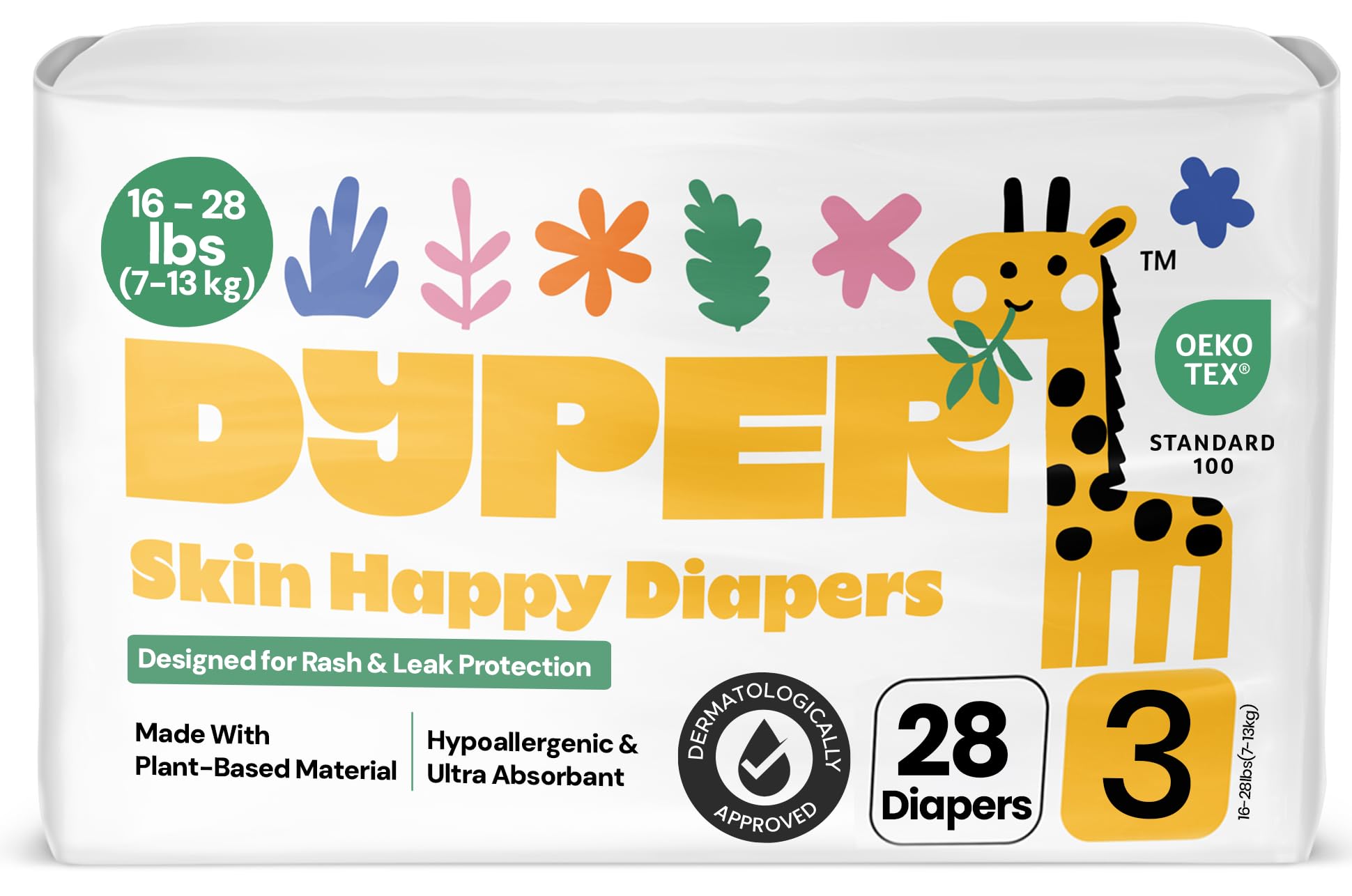
DYPER Size 3
Key Features
- Leak Protection: 66% negative, major
- Absorbency: Fails for most
- Fit Consistency: Poor fit, blowouts
- Material Safety: Plant-based, OEKO-TEX
- Tab Durability: Tabs come undone
- Price: Mid-range
DYPER offers soft, plant-based material and hypoallergenic comfort. However, leakage can occur and the fit may cause blowouts, making it unreliable for everyday use. This works best as a short-term backup or for eco-curious parents testing compostable options.
Pros
- Soft, plant-based material with a velvet-like feel
- Hypoallergenic and gentle on skin, reducing rash risk
Cons
- Leakage can be an issue, especially with active babies or overnight use
Best suited for short-term or backup use while exploring compostable alternatives.
Best for Short Outings, Designs
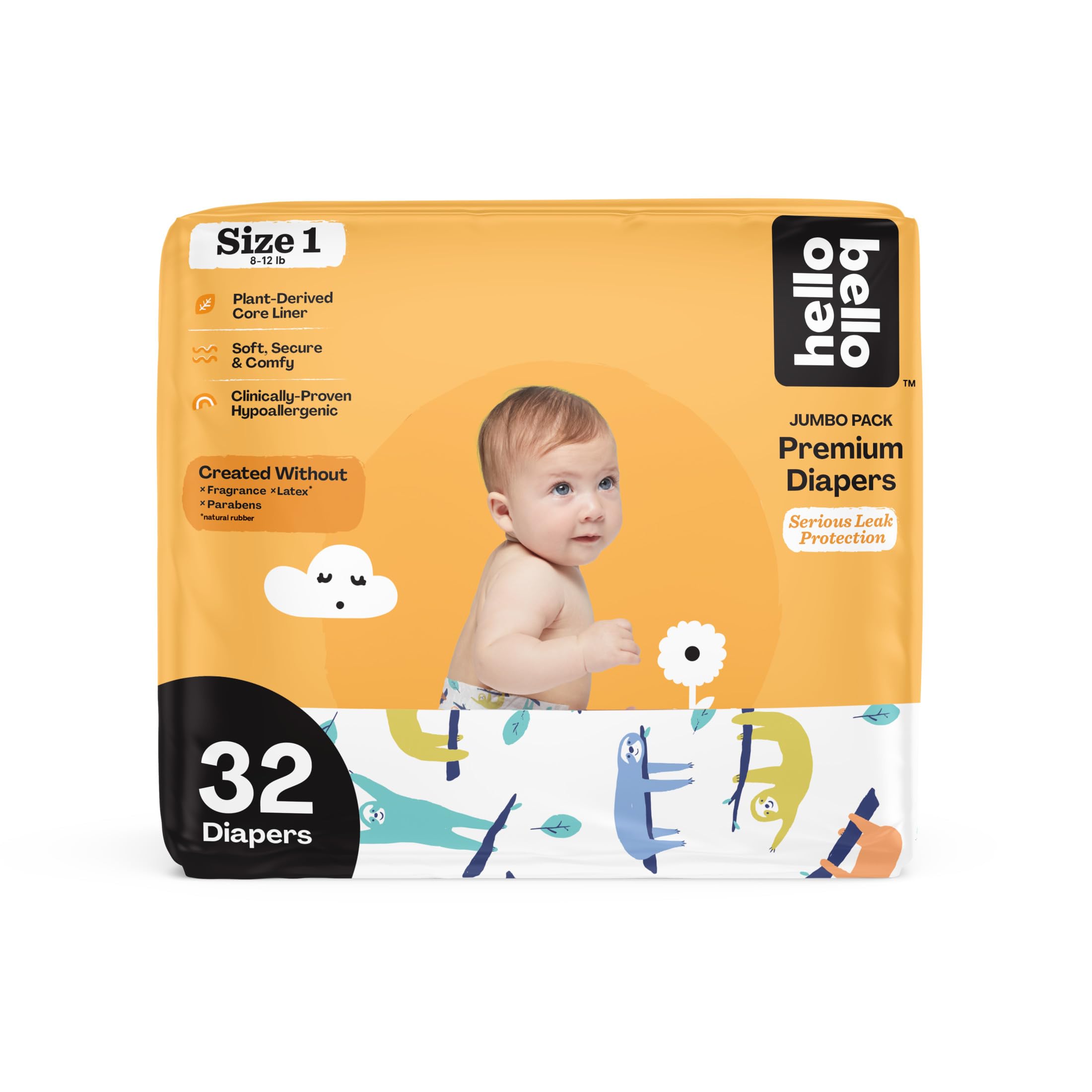
Hello Bello Size 1
Key Features
- Leak Protection: 60% negative, fast
- Absorbency: Weak
- Fit Consistency: True to size
- Material Safety: Chlorine-free, no fragrance
- Tab Durability: Some quality issues
- Price: Budget
Cute sloth prints and a low price make Hello Bello appealing for parents who prioritize aesthetics. But the absorbency is too limited for regular wear—leaks can occur within a couple of hours, so these are best reserved for very short outings or as a spare diaper.
Pros
- Adorable sloth prints that babies and parents enjoy.
- Budget-friendly for a diaper free of chlorine and fragrances.
Cons
- Absorbency is weak – leaks can happen within a short time, not for extended wear.
Works as a backup for very short errands where a quick change is possible, but not for daily use or heavy wetting.
How to Choose
The key to a successful organic diaper purchase is understanding that absorbency, fit, and material safety are independent variables — a diaper can excel in one while failing in another.
Leak Protection
Leak protection is the most polarizing spec in organic diapers. Many plant-based materials (bamboo, corn-starch PLA) absorb moisture differently than conventional petroleum-based gels. A diaper that holds 12 hours for one baby may leak after three hours for another due to differences in wetting pattern and movement.
For overnight use, look for diapers with a super absorbent core and leg cuffs that stand up. Daytime-only diapers often use thinner cores that work fine with frequent changes but fail when left on longer.
Absorbency Speed and Capacity
Absorbency speed matters as much as total capacity. A diaper that greedily soaks up liquid quickly prevents pooling on the skin, which reduces rash risk. But faster absorption often comes from synthetic additives, which some eco-conscious parents want to avoid.
Plant-based diapers tend to absorb more slowly. If your baby is a heavy wetter or sleeps long stretches, check reviews specifically for ‘overnight’ feedback rather than the marketing ’12 hours’ claim.
Fit Consistency
Organic diapers frequently run larger or smaller than the weight chart suggests. A diaper that’s too loose causes leaks through the legs and back; too tight leaves red marks and can cause blowouts. The culprit is that eco-friendly materials (e.g., bamboo viscose) have different stretch and recovery than plastic-based elastics.
Always buy a small pack first to test fit. Check recent reviews for sizing trends on your baby’s current weight — many brands shift their fit between sizes.
Material Safety
Material safety is why most parents switch to organic diapers. Look beyond the ‘plant-based’ label: some brands use a plant-derived top sheet but a conventional absorbent core. Certifications like OEKO-TEX, FSC, and published lab results provide real accountability.
A diaper can be free of chlorine, fragrances, and latex yet still cause irritation if the absorbent core doesn’t wick moisture away. Softness is not a proxy for safety — check for dermatest approvals or allergy certifications.
Tab and Seam Durability
Tabs that tear or fail to stick are a common frustration with eco-friendly diapers. Plant-based adhesives and biodegradable tabs often have less grip than conventional plastic tabs. A diaper with weak tabs can slide off, especially on active toddlers.
Watch for reviews mentioning ‘tabs come undone’ or ‘adhesive doesn’t hold’. Some brands have fixed this over time, but it’s a recurring issue in the organic category.
FAQ
Why do some organic diapers leak more than conventional brands?
Organic diapers replace petroleum-based superabsorbent polymers (SAP) with plant-based materials like corn starch or bamboo viscose. These natural fibers absorb moisture more slowly and have less total capacity. The trade-off is a diaper that feels softer and contains fewer synthetics, but may not hold as much liquid per gram. If you need heavy overnight protection, look for a diaper with a hybrid core that still uses SAP alongside plant materials.
Are bamboo diapers really worth the higher price?
Bamboo diapers offer a uniquely soft, breathable feel and are among the most eco-friendly in terms of renewable sourcing. They also tend to be chlorine-free. However, the higher price (often $0.50–$0.70 per diaper) does not guarantee better leak protection. Many bamboo diapers have average absorbency and fragile tabs. They’re worth it if softness and sustainability are your top priorities and you change diapers frequently during the day.
How can I tell if a diaper will fit my baby without buying a full box?
Check recent reviews that mention your baby’s exact weight range and body shape (e.g., chunky thighs, long torso). Many organic brands have sizing quirks that aren’t captured by the weight chart. Also, buy a trial pack or single bag first. Some brands like Pura run baggy, while Bambo Nature runs large. A 5-minute fit test at home can save you from 100 leaky diapers.
What does ‘plant-based’ actually mean in a diaper — is it just the top sheet?
In most cases, ‘plant-based’ refers only to the top sheet (the layer touching baby’s skin) and sometimes the back sheet. The absorbent core often still contains synthetic SAP or fluff pulp. The elastics and tabs are almost always plastic. A ‘plant-based’ diaper is not fully compostable or plastic-free. To find a truly non-toxic option, look for brands that publish the full materials list and certifications like OEKO-TEX.