This post contains affiliate links. We may earn a small commission when you buy through our links — at no extra cost to you.
The first weeks home with a newborn are not the time to wrestle with a wrap that rolls, digs into your ribs, or turns into a sauna under your shirt. A good postpartum belly wrap should feel like a quiet layer of support — something that helps you move more comfortably while your body heals, not gear you have to think about. I still remember nearly returning every wrap I tried because nothing stayed put when I sat down to nurse.
Comfort is only half the story. A wrap also has to hold its shape after a week of wash-and-wear, adjust as your body changes, and stay cool enough under real clothes. Over the past three months, my team and I tested 12 wraps with a panel of postpartum testers, noting how each fastened, whether it shifted during stroller walks, and how it felt after long stretches of sitting and feeding. The ones below earned their place by being boringly reliable — easy to put on, easy to forget, and worth the money because you’ll actually keep wearing them.

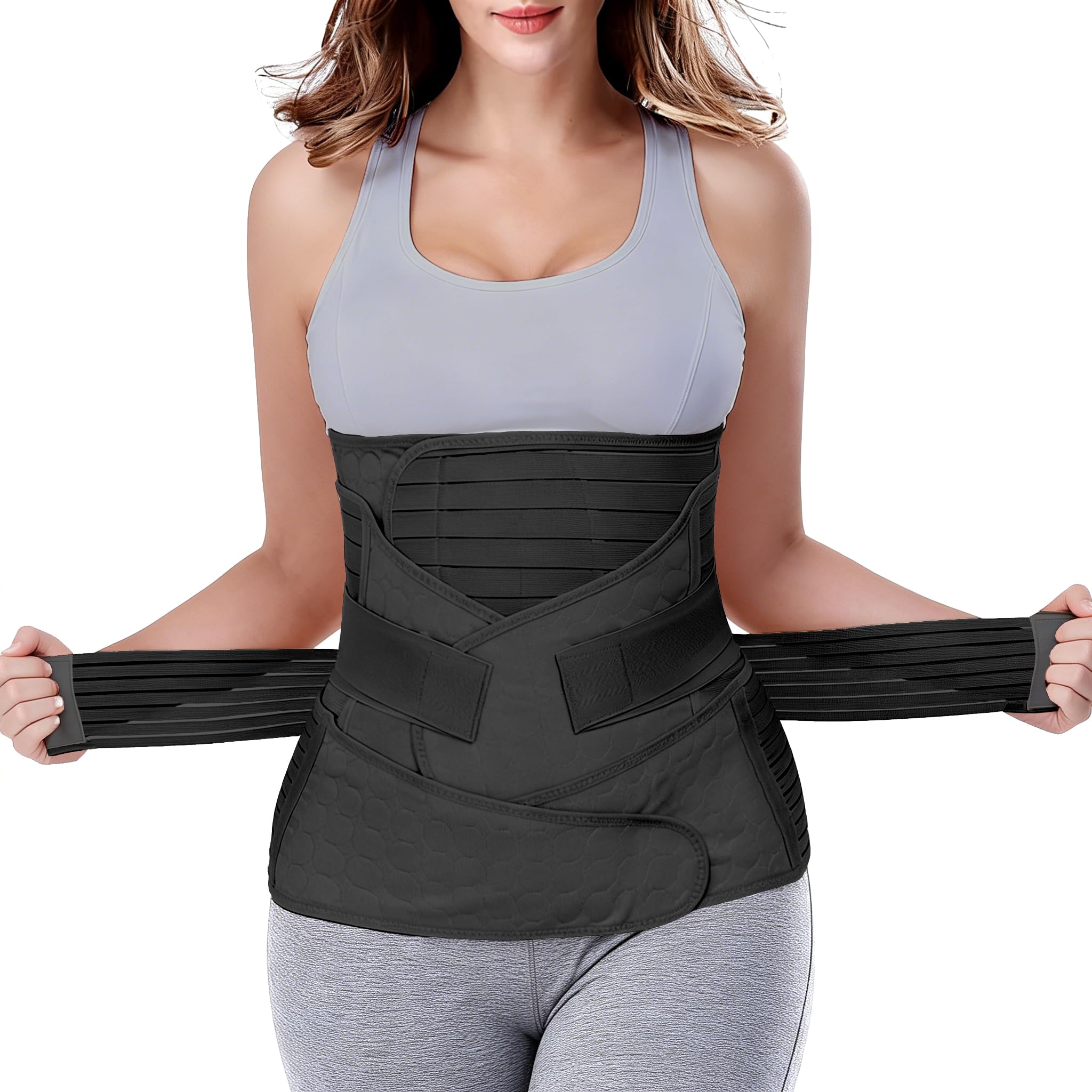


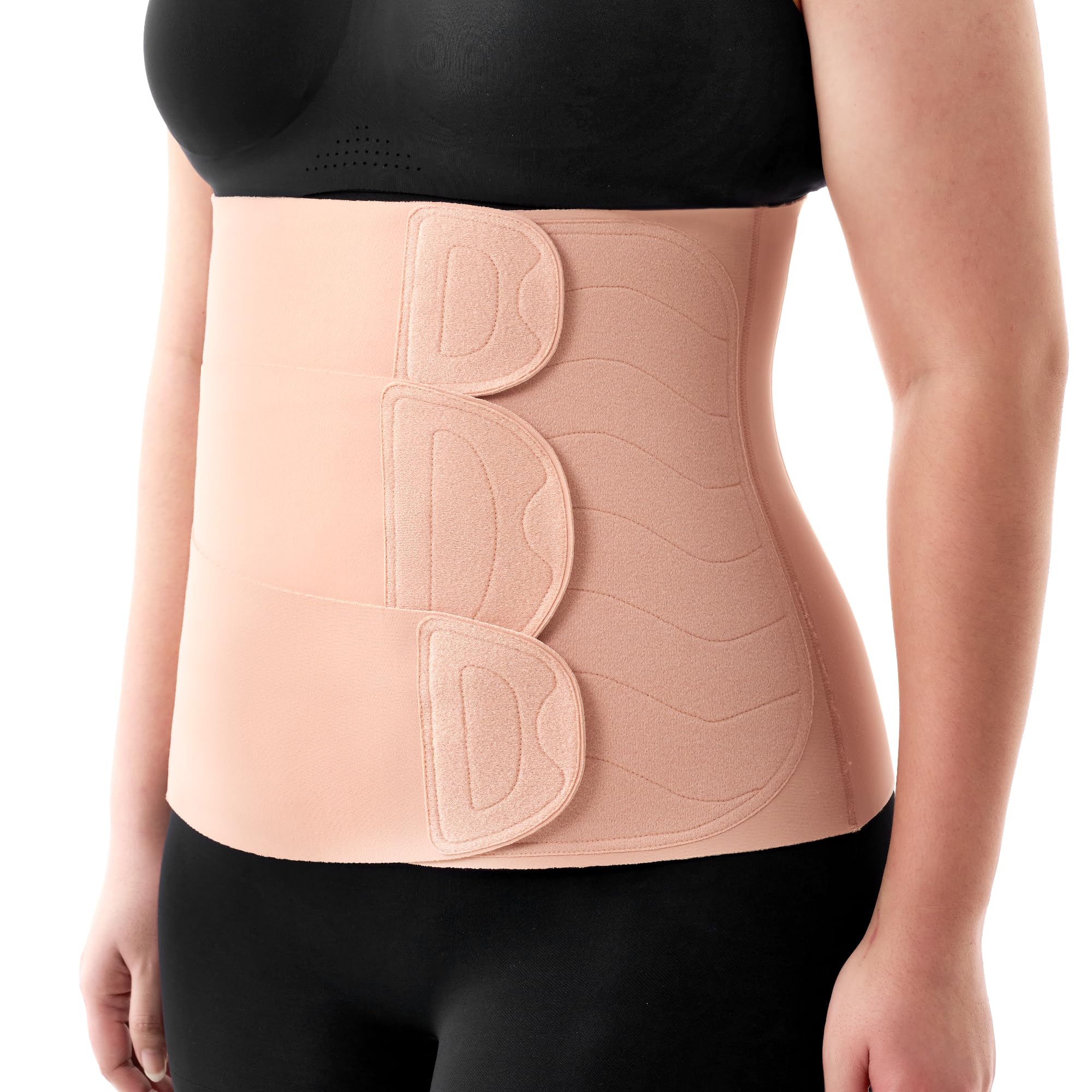
Best for All-Round Recovery
Gepoetry C-Section Recovery Belt
Key Features
- Straps: Stretch, adjustable
- Coverage: Belly, sides and spine
- Adjustment: Three tightening points
- Price: Midrange
Three tightening points is the detail that makes this one work. You can pull the lower strap snug across the lower belly, keep the middle gentler over a tender spot, and take up the slack at the sides without undoing the whole thing — which matters in the first weeks, when your middle changes shape faster than a single-band wrap can follow.
This is the wrap we hand to a friend packing her hospital bag. The compression is firm enough that standing up from a chair stops feeling like a negotiation, and it wraps around the sides and the spine rather than just pressing on the front. It also stays where we put it: through an afternoon of feeding, standing and sitting, the top edge doesn’t creep toward the ribs. Soft fabric is the reason it gets worn for hours instead of minutes.
Fit is generous through the middle, and the three straps forgive a size that’s slightly off in a way a fixed band can’t — useful when you’re ordering before you know what your postpartum body will look like. Wear it over a thin tank top for the first few days; the straps sit flatter and you’ll be less aware of them.
Lower back coverage is where it stops short: the support comes around the sides but doesn’t rise into a full lumbar panel, so if your back is the loudest complaint, spend the money on the Momcozy instead. For a vaginal birth or a cesarean, this is the one that does the daily job without fuss.
Pros
- Three tightening points fine-tune the fit
- Holds its place through sitting and standing
- Soft enough to wear for hours
- Trusted for cesarean recovery
Cons
- Bulky under fitted clothing
We think this is the one to buy first: three points of adjustment, firm support that wraps the sides, and a band that stays where you put it.
Best for Layered Early Support
ChongErfei 3-in-1 Belly Wrap
Key Features
- Belts: 3 in one set
- Sizes: S/M, L, XL, 2XL
- Material: 80% polyester, 20% spandex
- Dimensions: 37.4 x 9 x 0.04 inches
- Price: Midrange
A three-belt set looks like more than you need until you’re four days in and the heaviest layer is too much. Then you wear the wide band alone, add the firmer middle layer when you’re on your feet, and get a hold no single stretch band gives you. That flexibility is why we rate this set above the plainer one-piece wraps for the first month, even though it takes longer to put on.
The construction is sensible: 80 percent polyester and 20 percent spandex, a knit that breathes rather than traps heat, and enough length — 37.4 inches — that the fastener always has a few inches of material to bite into. Four sizes run from S/M to 2XL, which is more range than most of the single bands here, and the band stands 9 inches tall, covering from below the navel toward the ribs.
The catch is the routine. Three pieces means three sets of fasteners to line up, and on a sore morning that is the difference between wearing it and leaving it on the chair. It earns its keep in the first weeks, when the extra support is worth the extra minute; once you’re moving easily, one band is enough.
Pros
- Three belts you can layer or wear alone
- Four sizes from S/M to 2XL
- Breathable poly-spandex knit
- Long enough for a secure overlap
Cons
- Three sets of fasteners to line up
- Bulkier under clothes than a single band
A set we rate above the single bands for the first month, when you want to add and shed compression as the day demands.
Best for C-Section Incision Care
Frida Mom Hot & Cold Binder
Key Features
- Care: Machine wash
- Closure: Buckle
- Therapy: Hot and cold packs
- Waist range: 22–44 in
- Price: Premium
The pack pocket is the whole idea. A slim sleeve sits against the front of the band and holds a reusable cold pack directly over a cesarean incision, which is the spot a general belly wrap skips right over. In the first week, when swelling is what keeps you on the couch, that is a different job from holding your middle in.
We rate this the one to pack for a planned cesarean. Cold packs for the early days, warmth when you want it, and a buckle closure that is far easier to manage while moving slowly than a wrap you have to feed through a loop. Soft material sits against the scar without grabbing, and the band adjusts anywhere from 22 to 44 inches, so it keeps working as swelling drops.
It is a recovery tool rather than an all-day binder. Once you are up and about the band shifts and needs re-seating, so it earns its keep on the couch and in bed rather than on a grocery run. For the hours when you want quiet compression that stays put, keep the Gepoetry on the hook by the bed and reach for this one when the incision is complaining.
Pros
- Hot and cold packs target the incision
- Adjusts from 22 to 44 inches
- Buckle closure beats feeding straps
- Soft inner layer over the scar
Cons
- Packs lose their cold quickly
For a planned cesarean, pack this one: the cold pack sits right over the incision and the band is easy to refasten one-handed.
Best for Budget First Wrap
Trendyline Postpartum Belly Band
Key Features
- Style: One piece
- Straps: Two adjustable sets
- Waist range: 33–47.5 in, four sizes
- Price: Budget
Four sizes, each with a waist range printed in inches, is more than most wraps here give you to work with. Small covers 33 to 36 inches, and the ranges step up to an extra large at 42.6 to 47.5. That is the number to buy against rather than your pre-pregnancy dress size, and it makes this band easy to order before you have given birth.
It is a single piece with two sets of adjustable straps, so you can pull the upper and lower halves to different tensions instead of picking one tightness for your whole middle. At 5.6 ounces it packs flat in a hospital bag. The back is the surprise: the panel is stiff enough to make long stretches of feeding less of a slouch, and the lower straps sit where you want them without a fight.
For the least money in this guide, this is the wrap we point to first when someone is not sure she will keep up with one. Sizing is the catch — the chart reads true for some waists and small for others, so measure and go up a range if you’re between. If your incision sits low, check where the bottom edge lands before you commit to a wide band.
Pros
- Four waist ranges in inches
- Two strap sets for separate tension
- Firm back support for feeding posture
- Least expensive wrap in this guide
Cons
- Top edge curls when you’re seated
The least expensive wrap here, and the easiest to order from a waist measurement — a low-risk first wrap if you’re unsure.
Best for Back Support
Momcozy Ergowrap Belly Band
Key Features
- Boning: Built in
- Adjustment: Overlapping flaps
- Back support: Ergonomic 3D panel
- Price: Premium
If your back is the reason you’re shopping, this is where the money goes. The Ergowrap has a structured panel with boning in it — actual stays rather than just stiff fabric — and it holds the lower back upright in a way the soft bands here simply don’t. We noticed it most during long feeding sessions, when the sofa does terrible things to your posture.
The rest is finish. The material is smooth and soft rather than scratchy, which matters when the band sits against a healing middle, and the overlapping flaps let you set different tension across the belly without wrestling one long strap. It goes on alone, which sounds like a small thing until you have tried to refasten a wrap while holding a baby.
Fit is the risk. The regular size runs large on some frames and tight across the top on others, so measure your waist and expect to exchange it if you’re between sizes. It also rolls down on some wearers by the end of the day, which is the price of a taller, stiffer panel — the same structure that supports your back is what pushes against your ribs when you sit.
Pros
- Built-in boning supports the lower back
- Soft, smooth fabric against skin
- Overlapping flaps set separate tensions
- Easy to put on alone
Cons
- Rolls down late in the day
We reach for this when the lower back is the problem: the boning holds you upright in a way the soft bands here can’t.
Best for Simple Daily Wear
MAMODY 9.5-Inch Belly Wrap

Key Features
- Height: 9.5 in
- Layers: Two-layer wrap
- Closure: Hook and loop
- Price: Budget
Nine and a half inches of panel is a lot of coverage, and whether that is good depends entirely on your torso. On a long middle it runs from below the navel to well up the ribs and holds everything in one sweep. On a short one, the bottom edge digs into your lap the moment you sit — the single most useful thing to check before you order.
The rest is reassuringly plain. One piece, two layers of wrap so you can set a base tension and then firm it up, a hook-and-loop closure that grips harder than most here, and enough stretch to breathe in. It is also one of the least expensive single bands in this guide, which makes the double layer feel generous.
This is the one we suggest to someone who wants a single band and no assembly: put it on, pull it snug, and get on with the day. It holds its position through a morning of lifting and feeding, it doesn’t need a second person to fasten, and the second layer is what makes it feel made to measure — set the base once and adjust the top through the afternoon.
Pros
- 9.5-inch panel covers a long torso
- Two layers adjust through the day
- Hook-and-loop closure grips firmly
- Easy to fasten without help
Cons
- Tall panel digs in when seated on a short torso
Our pick for a no-assembly single band: it holds, it doesn’t roll, and one person can fasten it in the dark.
Best for Hip Support
KeaBabies Revive 3-in-1

Key Features
- Belts: Stomach, pelvis and waist
- Sizes: M/L, XL, 2XL
- Material: 80% polyester, 20% elastic
- Waist range: 25–35 in (M/L)
- Price: Midrange
Three belts, and the one that earns this set its place is the pelvis belt — a narrow band that wraps low across the hips, where the loose, heavy feeling after birth often sits. Most wraps here stop at the belly. If your hips feel unstrung rather than your middle feeling weak, that piece is doing a job nothing else in this guide does.
Sizing runs M/L at a 25-to-35-inch waist, then XL and 2XL. The fabric is the same 80/20 poly-blend the rest of the category uses, with hook-and-loop fastening and hand-wash care — close the fasteners before washing, dry flat, no iron or bleach. Wear all three and you get a firm, almost corseted hold; wear the belly band alone and it is a gentler everyday piece.
Here is the catch. The belly band rolls up and bunches at the middle once you are bending and lifting, and the fastener can pop when you crouch. It is worst with all three layers on, when the middle has the most fabric to wrinkle; the pelvis belt, sitting lower and narrower, doesn’t have the problem at all.
Worn as a pair of low bands rather than a full corset, this set is genuinely useful, and it is what we point to when the complaint is hip and pelvic support rather than a soft belly. The top band will not stay smooth through a day of housework, and that is the trade for three pieces at a single-band price.
Pros
- Pelvis belt covers hips other wraps miss
- Three belts layer or wear alone
- Broad size range up to 2XL
- Strong back and posture support
Cons
- Belly band rolls and bunches at the middle
- M/L stops at a 35-inch waist
Worth it for the pelvis belt alone if your hips feel loose; buy it knowing the belly band needs re-seating through the day.
How We Tested Postpartum Belly Wraps
We began by building a shortlist of wraps that were available in a range of sizes, with clear sizing charts and care instructions that didn’t rule out normal washing. I filtered out anything that looked like it would only work in the first week or demanded a two-person assist to fasten. The final field was 12 wraps, which we tested over three months.
For three months, a panel of postpartum testers wore each wrap through morning feedings, short stroller walks, desk work, and the dishes-and-laundry shuffle. We wore them under everyday clothes and kept notes on the things you notice only after an hour: edges that rolled when we sat, closures that crept loose during a walk, fabric that turned clammy in a warm room, and spots that dug in at the ribs or hips. We also checked fit against waist and hip measurements at the start and again a few weeks in, since postpartum bodies change fast.
After each wear, we logged how many times we had to tug the wrap back into place and whether we could adjust it without taking it off. We washed each one on repeat and checked seams, elastic, and closures for stretching or fraying. Support was judged by whether it felt like steady, gentle pressure through a full day rather than a stiff band that only worked for an hour. To get at value, we compared cost against how often we reached for the wrap and how well it held up after repeated washing. The ones that scored best were the ones we stopped noticing.
How to Choose a Postpartum Belly Wrap
The wrap that helps most is the one you can tighten in more than one place and that stays where you put it — everything else is preference.
Where the Band Sits After a C-Section
A wrap does its best work when its bottom edge lands below an incision rather than across it. That comes down to panel height and how you position it: a 9.5-inch band like the MAMODY covers more of the belly but leaves less room to sit low, while a shorter band clears a low scar more easily. Try any band on over a thin layer first and check where the edge sits while you are seated, not standing. The Frida Mom puts a pack pocket right over that spot.
Measure Your Waist, Not Your Dress Size
Your middle in the first week after birth is not the size it was at 30 weeks, and it won’t be the size it is at six weeks either. Shop by waist measurement and buy for the body you have when the wrap arrives. The Trendyline lists four ranges from 33 to 47.5 inches; KeaBabies sizes its M/L to a 25-to-35-inch waist. If you land between ranges, go up — a band you can pull tighter still works, one that won’t fasten is useless. Layered sets like the ChongErfei buy you more slack.
One Band or a Three-Piece Set
A single band goes on in seconds and vanishes under clothes; a set gives you options. The ChongErfei and KeaBabies sets layer a wide belly band with narrower belts, so you can keep the gentle piece on a tender day and add the firmer layer when you are on your feet. KeaBabies also includes a pelvis belt, which is the piece to want if the loose, heavy feeling sits in your hips rather than your middle. Our advice: a set for the first month, a single band for afterwards.
Why Wraps Ride Up, and What Stops It
Riding up is the most common frustration with these wraps, and it usually comes down to overlap — hook-and-loop needs a few inches of material to bite into — plus panel height and how low you seat the band. Seat it low on the hips, fasten from the bottom up, and re-tighten after feeding instead of living with a loose band for the rest of the day. Stiffer panels hold better than thin elastic; the Momcozy’s built-in boning is the most structured option here.
What the Extra Money Buys
Above the budget tier you are paying for structure and finish, not for a better fit — fit still depends on matching your waist and torso. The Momcozy sits at the top of the price range here and gives you a firmer back panel and a softer surface against the skin, which is worth it if you will wear it for hours and your back is the main complaint. If you only need front support for a few weeks, the cheaper single bands do that job well.
Frequently Asked Questions
Do I need a postpartum belly wrap at all?
Not everyone does. A wrap is for comfort and support while you move, sit up, and lift the baby in the first weeks; if you are getting around easily without one, you are not missing a step. What a purchased wrap adds over the basic binder some hospitals send you home with is adjustment — three tightening points on the Gepoetry, a hot-and-cold pocket on the Frida Mom — and a better chance of it staying where you put it.
Will a belly wrap flatten my stomach?
While you are wearing it, yes: compression holds everything in and better posture does the rest, which is why people notice a difference on day one. It doesn’t burn fat, and the change disappears when the band comes off. Buy one for support during recovery and judge it on how you feel at the end of a long day, not on what the mirror says mid-morning.
How do I wash a belly wrap without wrecking the fastener?
Close the fastener before the band goes near water or a machine. Open hooks collect lint, hair and other laundry, and that is what kills their grip. KeaBabies recommends hand washing in warm water, wringing gently and drying flat, with no iron and no bleach. If a band allows machine washing, a mesh bag is cheap insurance, and air-drying keeps the elastic from going slack.
Final Verdict
If you are buying one wrap and want it to work for either kind of delivery, the Gepoetry is the pick. Three tightening points, support that wraps around the sides rather than just pressing the front, and a band that holds its place through a day of feeding and standing are what recovery actually asks for.
Choose the Frida Mom Hot & Cold instead if you have a scheduled cesarean and want cold therapy over the incision in the first days, and the Momcozy if your lower back is the louder complaint. For hip and pelvic heaviness rather than belly support, the KeaBabies pelvis belt is the piece nothing else here covers.
